Introduction
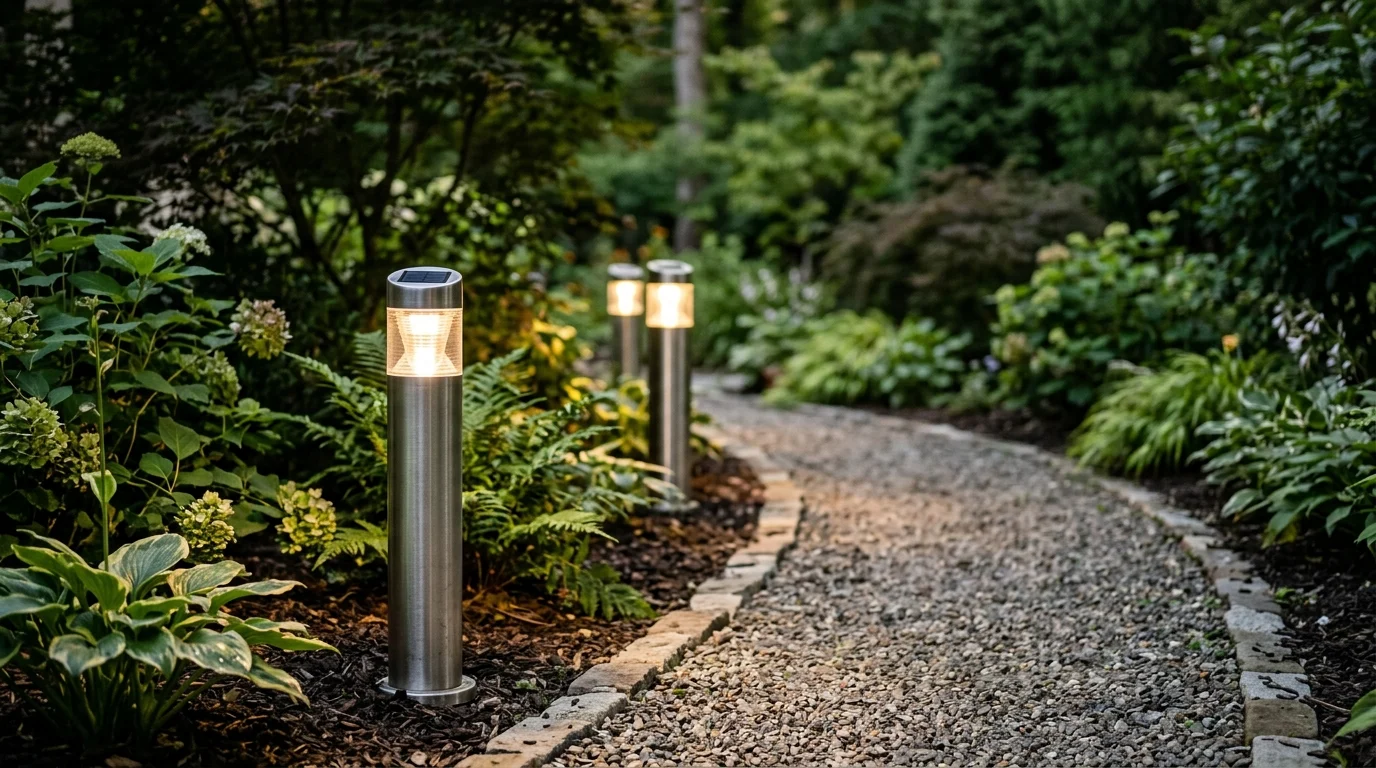
Choosing a solar bollard light garden system instead of grid-powered lighting changes more than the energy source; it reshapes installation cost, project speed, and long-term maintenance. For paths, courtyards, parks, and perimeter landscapes, these off-grid fixtures can avoid trenching, cabling, and electrical tie-ins while still delivering dependable illumination through efficient LEDs, better batteries, and improved charge control. This article explains why developers and property owners are moving away from hardwired setups, where solar bollards perform best, and which site conditions determine whether they are a practical replacement for conventional exterior lighting.
Why solar bollard garden lights are replacing grid lighting
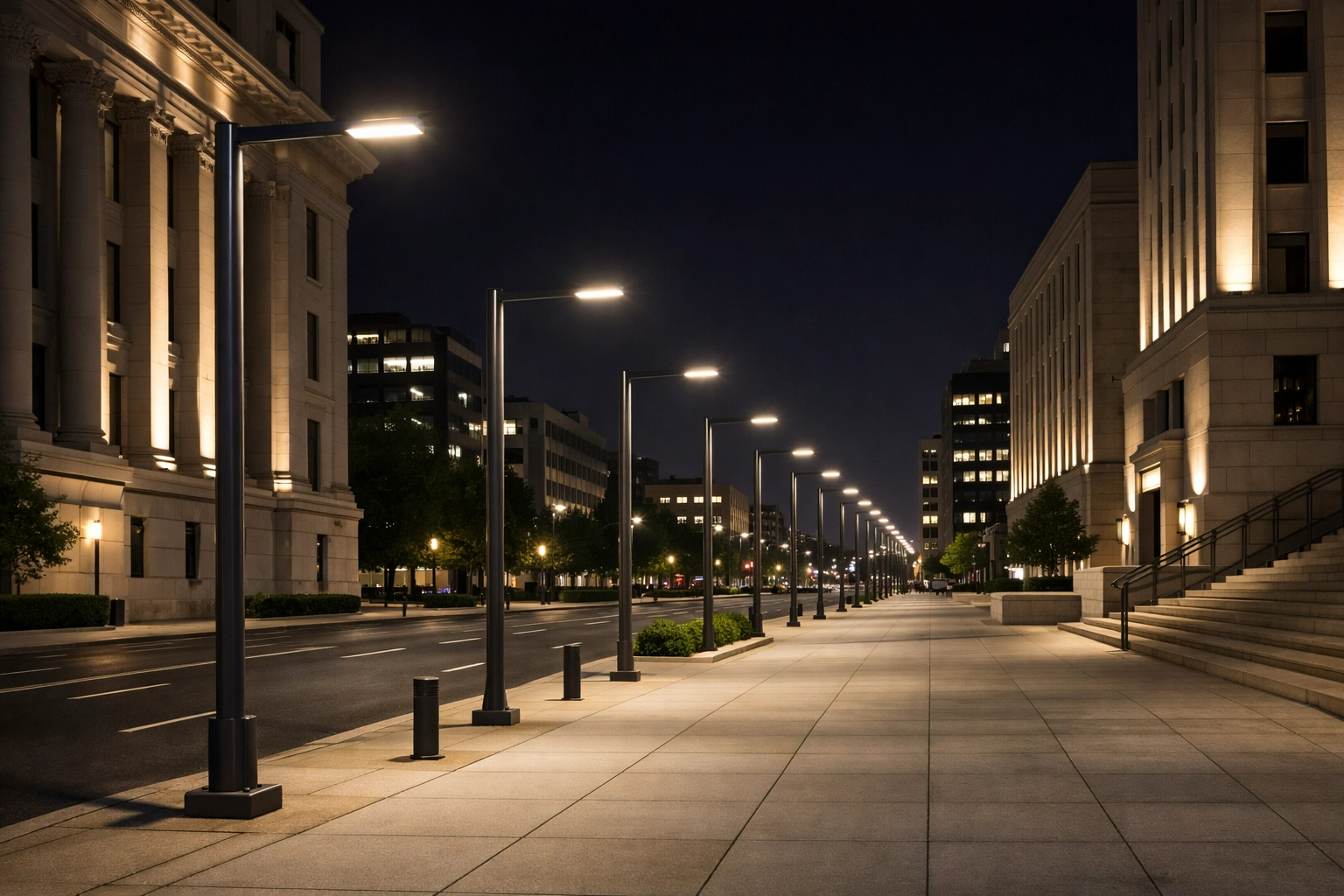
Transitioning from hardwired AC grid lighting to decentralized solar bollard light garden systems represents a fundamental shift in exterior illumination infrastructure. As commercial and municipal developers prioritize decarbonization and rapid deployment, off-grid solutions eliminate the need for extensive trenching, conduit installation, and complex electrical engineering. By circumventing these hurdles, solar systems accelerate project timelines and significantly reduce upfront civil engineering expenditures.
Performance and site suitability
Modern solar bollards integrate high-efficiency monocrystalline panels and advanced LED optics to deliver consistent illumination even in challenging microclimates. With luminous efficacies frequently exceeding 150 lumens per watt (lm/W), these units can match or surpass the photometric performance of traditional 120V AC fixtures. Site suitability hinges primarily on solar access; however, systems equipped with maximum power point tracking (MPPT) charge controllers can harvest up to 30% more energy during low-light conditions than standard pulse-width modulation (PWM) alternatives. This capability ensures reliable performance across diverse latitudes, provided the installation avoids dense, continuous canopy cover. Furthermore, using tempered glass over the photovoltaic cells prevents the degradation and clouding often seen in cheaper epoxy or polycarbonate alternatives, ensuring sustained energy harvesting over a multi-decade operational life.
Best-fit project types
The economic advantage of solar bollards scales directly with the distance from existing power infrastructure. Campus pathways, expansive botanical gardens, and peripheral corporate park walkways are prime deployment zones. For example, retrofitting a 500-meter pedestrian trail with grid-tied lighting typically incurs trenching and cabling costs ranging from $40 to $100 per linear foot, depending on soil conditions and hardscape disruption. Solar alternatives bypass these civil works entirely, making them the superior choice for environmentally sensitive areas, heritage sites, and rapid-deployment public realm upgrades where minimal ground disturbance is mandated. In coastal or highly corrosive environments, specifying marine-grade aluminum housings with specialized powder-coat finishes ensures the system withstands salt spray, extending the viable deployment zones well beyond typical inland applications. Projects requiring strict compliance with dark-sky ordinances also benefit from the precise optics and programmable dimming profiles inherent to commercial-grade solar bollards, ensuring light is directed downward to minimize light trespass.
Technical and commercial evaluation factors
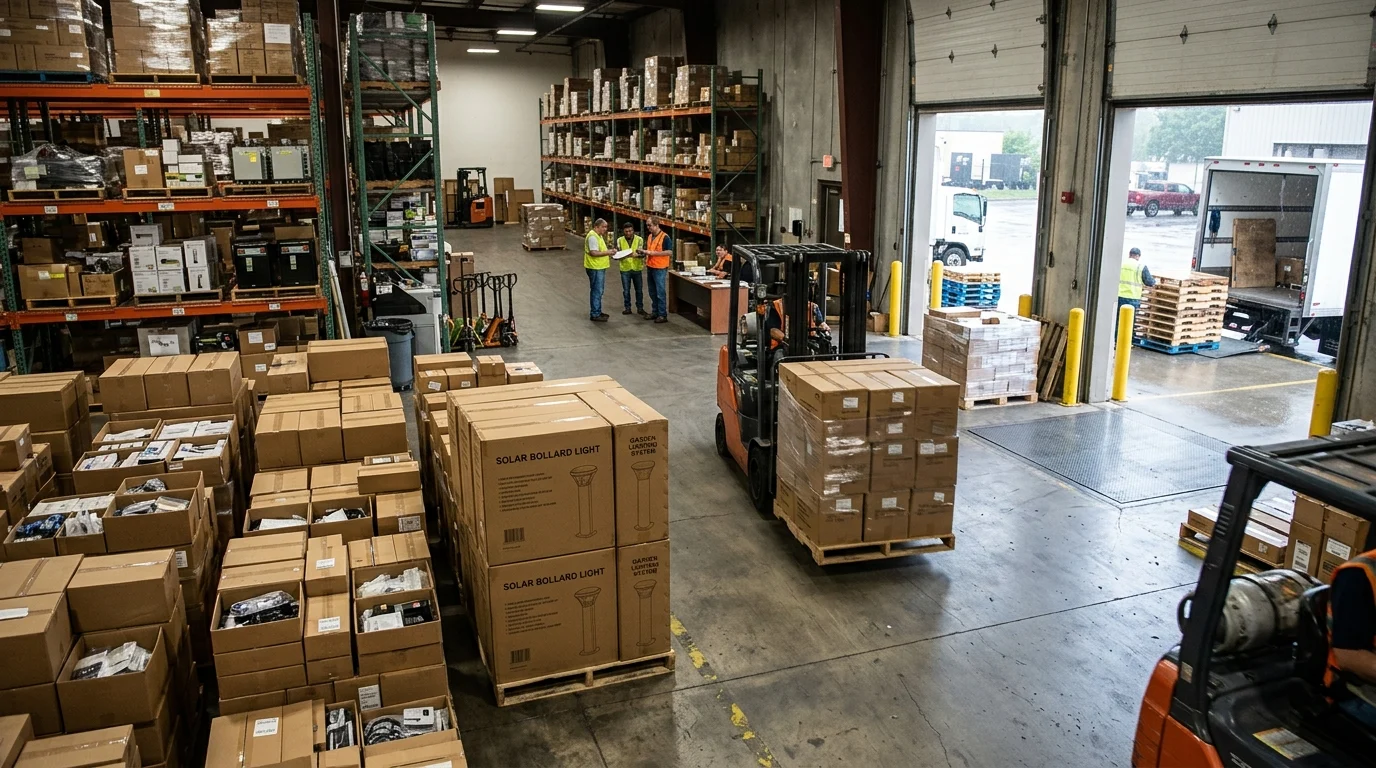
Evaluating solar bollard light garden infrastructure requires a rigorous assessment of the interplay between photovoltaic generation, energy storage, and total cost of ownership. Procurement teams must move beyond aesthetic considerations to scrutinize the underlying electromechanical specifications. This multi-faceted analysis ensures that the deployed assets will deliver the required safety and aesthetic benchmarks while adhering to stringent capital and operational budgets.
Lighting, battery, and solar autonomy
The core of any reliable off-grid lighting system is its autonomy—the ability to operate continuously during extended periods of inclement weather. Industrial-grade bollards typically utilize lithium iron phosphate (LiFePO₄) battery chemistries, offering a lifespan of 3,000 to 4,000 charge cycles, which significantly outperforms legacy lead-acid or standard lithium-ion packs. A robust system should be engineered for a minimum of 3 to 5 days of autonomy. For instance, a bollard operating at a standard output of 300 lumens for 12 hours nightly requires a battery capacity of at least 36Wh, paired with a 10W to 15W integrated solar panel, to maintain operational stability through consecutive overcast days. Thermal management is equally critical; premium battery management systems (BMS) include temperature sensors that throttle charge rates during extreme heat (above 60°C) or halt charging in subzero conditions to prevent irreversible cellular damage.
Cost, maintenance, and lifecycle value
While the initial capital expenditure (CapEx) for commercial solar bollards—typically ranging from $300 to $800 per unit—exceeds that of standard AC fixtures, the total lifecycle value heavily favors the off-grid approach. Operational expenditures (OpEx) are drastically reduced due to zero electricity consumption and the complete elimination of wired infrastructure maintenance.
| Metric | Grid-Tied AC Bollard | Solar Bollard (LiFePO4) |
|---|---|---|
| Initial Unit Cost | $100 – $350 | $300 – $800 |
| Trenching/Wiring Cost | $40 – $100 / linear ft | $0 |
| Energy Cost (10 Years) | ~$150 – $250 per fixture | $0 |
| Battery Replacement | N/A | Every 8-10 Years (~$50) |
| Installation Time | 2-4 Hours per unit + trenching | 15-30 Minutes per unit |
Lifecycle financial models indicate that the break-even point for solar bollard light garden installations typically occurs between 18 and 36 months post-commissioning. Furthermore, the modular nature of these systems simplifies maintenance; replacing a depleted battery or a damaged LED module requires minimal technical expertise and zero electrical isolation procedures, thereby minimizing downtime and labor costs over a projected 10-to-15-year system lifespan.
How to choose the right solar bollard garden light
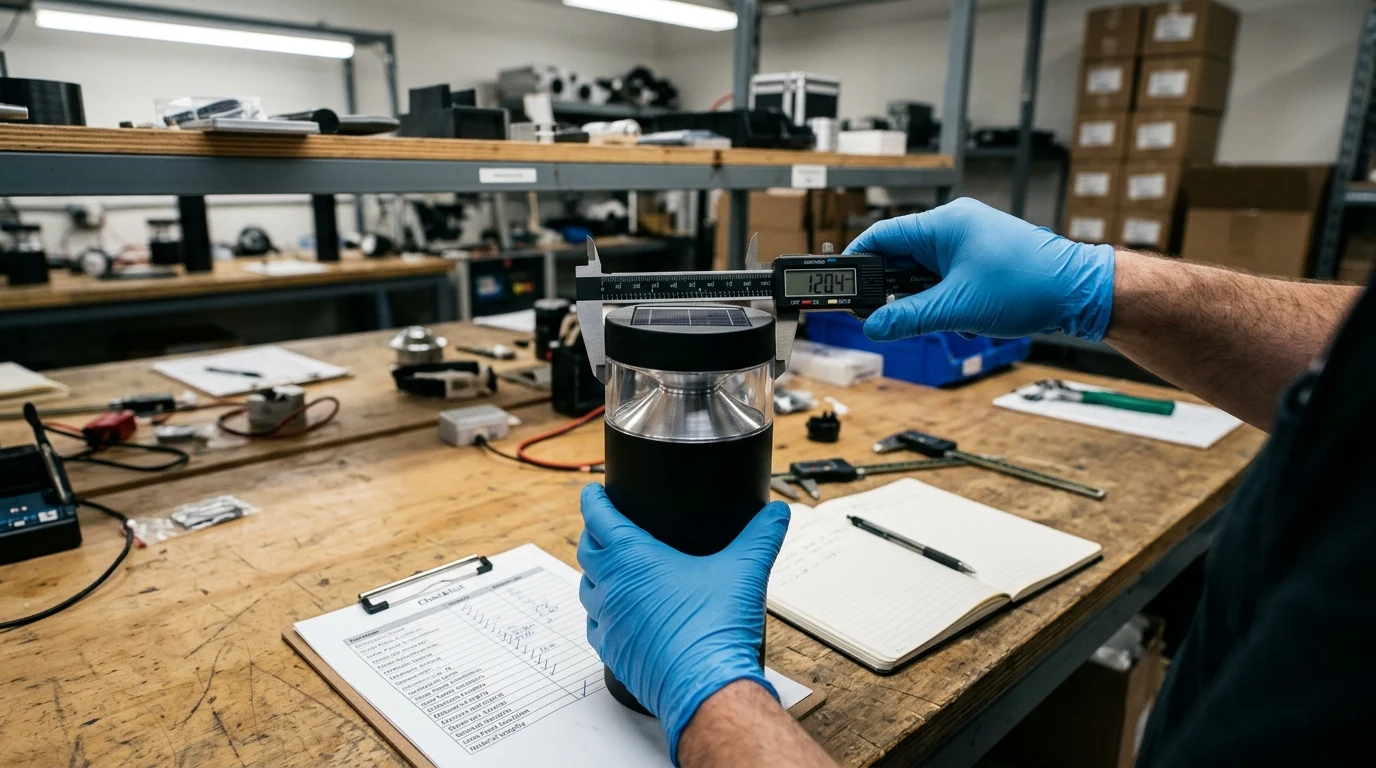
Specifying the correct solar bollard light garden system demands a systematic approach to product selection, balancing photometric requirements with rigorous vendor vetting. Decision-makers must ensure that the chosen hardware aligns with both site-specific environmental conditions and long-term facility management protocols. A rigorous specification process minimizes the risk of premature system failure and prevents costly mid-lifecycle replacements.
Practical product selection steps
The selection process must begin with a comprehensive photometric analysis to determine the required lumen output and distribution pattern. Type IV and Type V distribution optics are standard for multidirectional garden illumination, while asymmetric profiles are utilized to prevent light spill into adjacent natural habitats. Next, engineers must evaluate the ingress protection (IP) and impact protection (IK) ratings. A minimum rating of IP65 is mandatory for continuous outdoor exposure, while an IK08 or higher rating is critical for public spaces to withstand vandalism and accidental impacts. Additionally, specifiers should mandate programmable charge controllers that allow for adaptive lighting profiles. A common energy-saving profile involves operating the fixture at 100% brightness for the first four hours after dusk and dimming it to 30% for the remainder of the night, thereby conserving battery reserves while maintaining baseline security illumination.
Compliance, warranty, and supplier checks
Diligent procurement involves strict verification of international certifications.
Key Takeaways
- The most important conclusions and rationale for solar bollard light garden
- Specs, compliance, and risk checks worth validating before you commit
- Practical next steps and caveats readers can apply immediately
Frequently Asked Questions
When is a solar bollard light garden system a better choice than grid lighting?
It is best for pathways, parks, campuses, and remote commercial areas where trenching, cabling, or hardscape disruption would raise cost and delay installation.
How many cloudy days should a commercial solar bollard support?
For project reliability, specify 3 to 5 days of autonomy with LiFePO4 batteries and a properly matched solar panel for local sun conditions.
Can solar bollard lights meet dark-sky and low-glare project requirements?
Yes. Choose bollards with downward optics, shielded distribution, and programmable dimming to reduce light trespass and support dark-sky compliance.
What materials work best for coastal or corrosive garden projects?
Use marine-grade aluminum or protected steel with durable powder coating. Morelux can support custom pole finishes for salt spray and harsh outdoor environments.
What should buyers request from a solar bollard supplier before ordering?
Ask for fast quotes, technical drawings, photometric data, battery autonomy details, coating specifications, and engineer support to confirm fit for your site and standards.