Opens in a new tab

Why Aluminium Poles

Why Aluminium Pole?

 A Leading Pole & Column Manufacturer in China

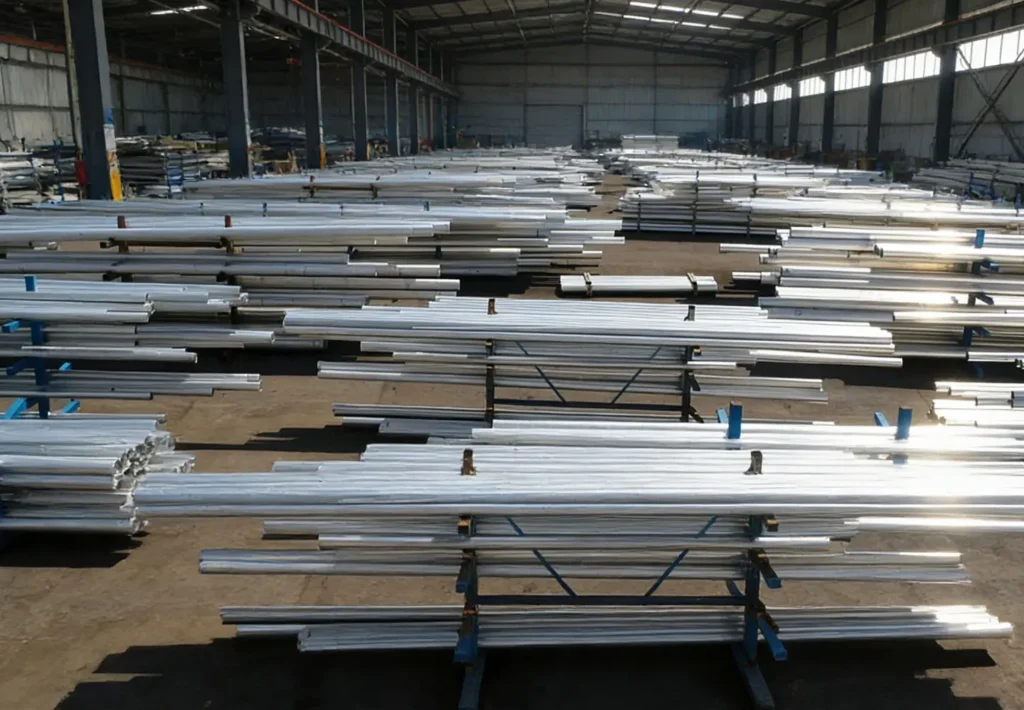
Aluminium is commonly used for outdoor lighting poles because it is lightweight, resists corrosion, and can be shaped to suit different designs. It is a good option for garden lights, landscape lighting, pedestrian areas, and decorative street lighting.

Morelux manufactures both aluminum and steel lighting poles for different project needs. For applications where weight, appearance, and outdoor durability matter, aluminium is worth considering.
 
Why Choose Aluminium?
  • Lightweight: Aluminium poles are generally lighter than steel poles of similar design, making them easier to move and handle.
  • Corrosion Resistance: Aluminium forms a natural oxide layer that helps protect the surface from corrosion.
  • Design Options: The material can be formed into different shapes and profiles for various lighting applications.
  • Surface Finishes: Anodizing and powder coating provide options for color and surface appearance.
  • Recyclability: Aluminium can be recycled and reused at the end of a product’s service life.
  • Installation: Its lower weight can make handling and installation more manageable, depending on the pole size and site conditions.
Contact Us

Lighter Weight

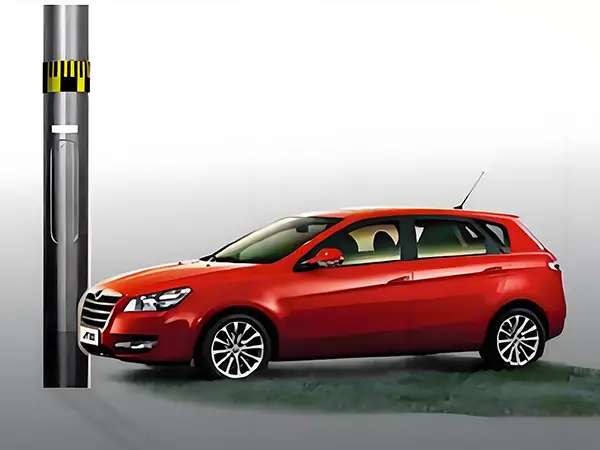
Lower Material Density: Aluminium has approximately one-third the density of steel, helping reduce pole weight.

Lower Transport Costs: Lightweight poles can be easier to load and transport, potentially reducing shipping costs.

Simpler Installation: Reduced weight can make handling and positioning easier on site.

Strength for Outdoor Use: Properly engineered aluminium poles provide the strength required for their intended applications.

Flexible Project Design: The balance of weight and strength makes aluminium suitable for a wide range of outdoor lighting projects.

Safty

Corrosion Resistance: Aluminium resists atmospheric corrosion, helping reduce deterioration associated with rust.

Ductile Material: Aluminium can deform under certain impact loads rather than behaving as a brittle material; actual performance depends on the alloy and pole design.

Electrical System Compatibility: Aluminium poles can be integrated with properly designed grounding and electrical protection systems.

Non-Magnetic Properties: Aluminium is non-ferromagnetic and does not create the same magnetic response as steel.

Structural Strength: Designed to meet project-specific load requirements.

Environmentally Friendly

Highly Recyclable: Aluminium can be recycled and reused, helping conserve raw materials.

Potential Energy Savings: Recycling aluminium generally requires substantially less energy than producing primary aluminium.

Reduced Transport Impact: Lower pole weight can help reduce fuel use and transport emissions, depending on the shipment.

Long Service Life: Appropriate material selection and surface treatment can help extend service life in outdoor environments.

Resource Recovery: Aluminium poles can be collected and recycled at the end of their useful life where suitable recycling facilities are available.

Rust-Resistant

Natural Oxide Layer: Aluminium forms a thin oxide film when exposed to air, helping protect the underlying metal.

 No Typical Red Rust: Unlike carbon steel, aluminium does not develop the familiar red iron oxide rust.

Suitable Surface Treatments: Anodizing and powder coating can provide additional surface protection and improve appearance.

Versatile Outdoor Use: Aluminium poles can be specified for gardens, streets, parks, and other outdoor lighting applications.

Long-Term Value: Suitable alloy selection, finishing, and maintenance can help reduce corrosion-related upkeep over the product’s service life.

COMPARISON

Aluminium Pole Compair With Other Poles

Steel Pole

Advantages

Initial low cost

High structural strength

Disadvantages

Easily rust and corrosion

Weights 3x aluminum, high freight cost

Limited recycle value

Galvanizing is hard for Environment

Fibreglass Pole

Advantages

Initial low cost

Light weight

Disadvantages

No recycle value, difficult/expensive to dispose

Ultraviolet damage is common

Expensive maintenance costs

Can be damaged by mowing & trimming

Less deflection than steel

Concrete Pole

Advantages

Never needs painting

Disadvantages

Heavy and expensive shipping costs

No recycle value

Difficult to install, requires heavy equipment

More dangerous than other materials

Aluminum Pole

Advantages

Corrosion Resistant

Maintenance Free

Never needs painting

Lighter Weight for easy installation

Various finishing options

Longer life than steel and Fibreglass

100% recyclable, energy efficient melting

Direct buried applications

Disadvantages

A little more expensive initially

morelux logo

Submit Your Sourcing Request

Business Professionals

Lorem ipsum dolor sit amet, consectetur adipiscing elit aliquam.

Cloud Services

Lorem ipsum dolor sit amet, consectetur adipiscing elit aliquam.

World Class Support

Lorem ipsum dolor sit amet, consectetur adipiscing elit aliquam.

Get Your Free Quote Today

Tell us about your project, and our expert team will provide a competitive quote within 24 hours. Get personalized solutions, engineer support, and free technical drawings.
🇺🇸 English ▼

Select Language

🇺🇸 English
🇿🇦 Afrikaans
🇦🇱 Albanian
🇪🇹 Amharic
🇸🇦 Arabic
🇦🇲 Armenian
🇮🇳 Assamese
🇧🇴 Aymara
🇦🇿 Azerbaijani
🇲🇱 Bambara
🇪🇸 Basque
🇧🇾 Belarusian
🇧🇩 Bengali
🇮🇳 Bhojpuri
🇧🇦 Bosnian
🇧🇬 Bulgarian
🇪🇸 Catalan
🇵🇭 Cebuano
🇨🇳 Chinese Traditional
🇫🇷 Corsican
🇭🇷 Croatian
🇨🇿 Czech
🇩🇰 Danish
🇲🇻 Dhivehi
🇮🇳 Dogri
🇳🇱 Dutch
🌐 Esperanto
🇪🇪 Estonian
🇫🇷 French
🇳🇱 Frisian
🇪🇸 Galician
🇩🇪 German
🇵🇾 Guarani
🇮🇳 Gujarati
🇮🇱 Hebrew
🇮🇳 Hindi
🇮🇸 Icelandic
🇮🇩 Indonesian
🇮🇪 Irish
🇮🇹 Italian
🇯🇵 Japanese
🇰🇷 Korean
🇲🇾 Malay
🇲🇹 Maltese
🇮🇷 Persian
🇵🇱 Polish
🇵🇹 Portuguese
🇷🇺 Russian
🇪🇸 Spanish
🇹🇭 Thai
🇹🇷 Turkish
🇻🇳 Vietnamese
No languages found