Business Professionals
Lorem ipsum dolor sit amet, consectetur adipiscing elit aliquam.
 Get A Quote
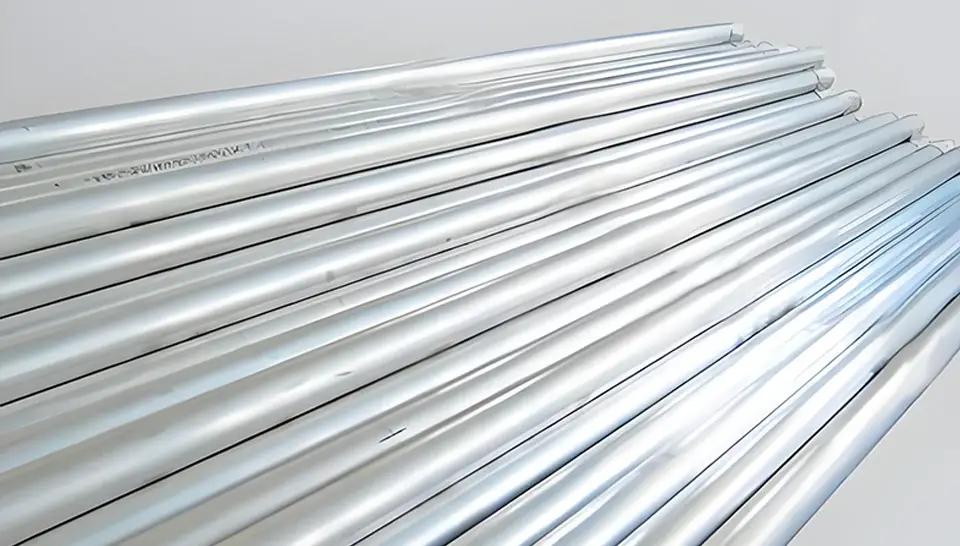
Morelux uses 6063 and 6060 aluminum alloy tubes for applicable lighting pole models. The choice of material depends on the pole dimensions, design, and required mechanical properties.Before production begins, the tube size and wall thickness are checked against the product specifications. These details affect how the tube can be formed and how the finished pole meets its design requirements.
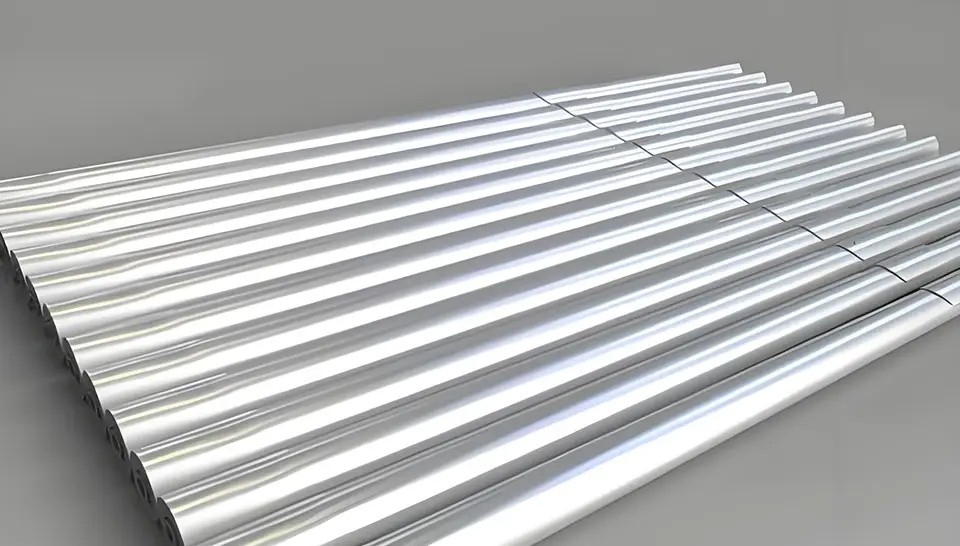
Spinning is used to turn straight aluminum tubes into tapered pole shafts. Morelux has 6-meter and 13.5-meter aluminum spinning machines for different pole lengths and designs.The tube rotates while forming tools gradually shape it. The finished shaft has a smooth, continuous profile without a longitudinal weld seam. This process is commonly used for aluminum poles in garden, landscape, and roadway lighting.
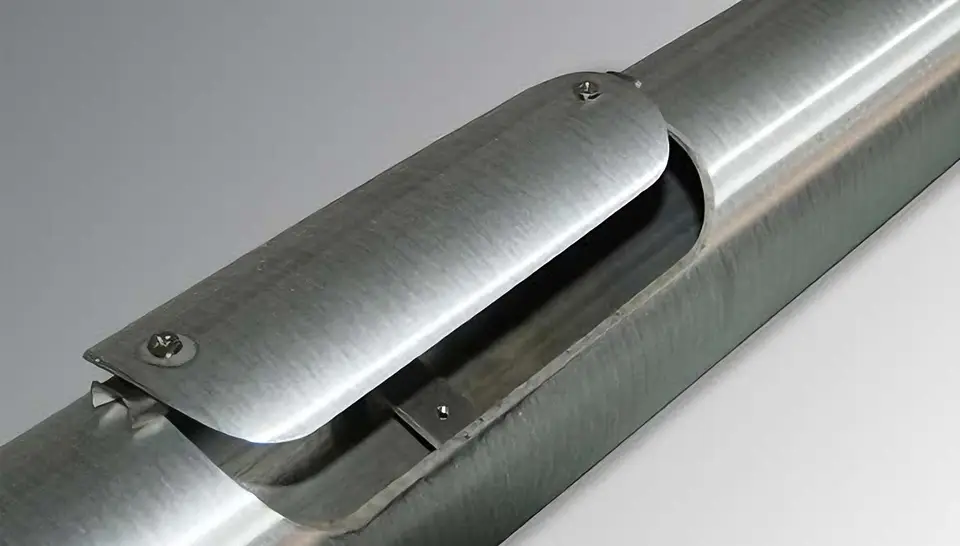
An access door allows installers to reach the electrical connections inside the pole. Its opening is cut into the shaft, and the door is prepared to fit the pole design.The size and position vary by model. Fastening details and grounding provisions are also determined by the product specification so the opening works with the intended electrical installation.
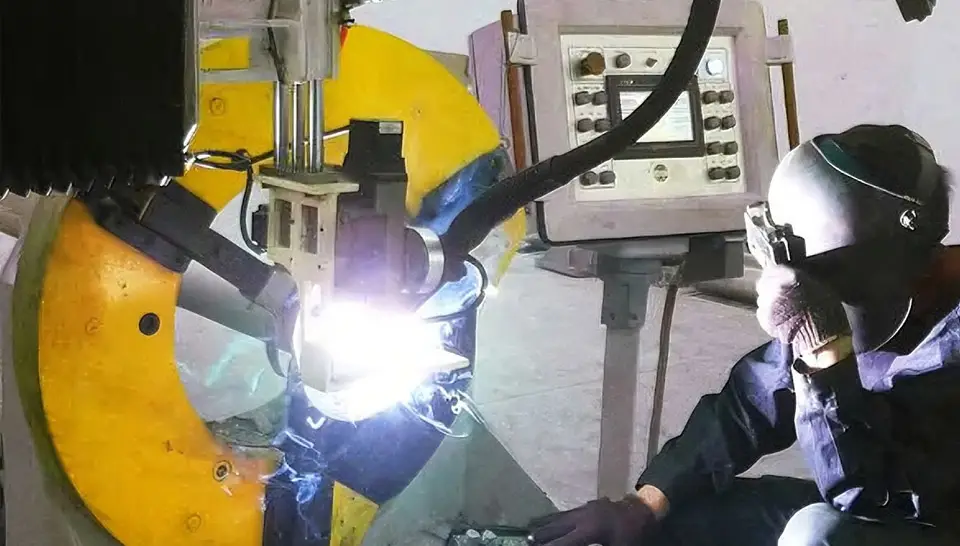
The base connects the pole to its foundation, so the shaft and mounting components need to be aligned correctly before welding. Morelux uses dedicated welding equipment for pole fabrication and flange-base connections.For aluminum models designed with A356 cast bases, the base type and related processing requirements are confirmed according to the product drawings. The connection details vary with the pole structure and mounting arrangement.
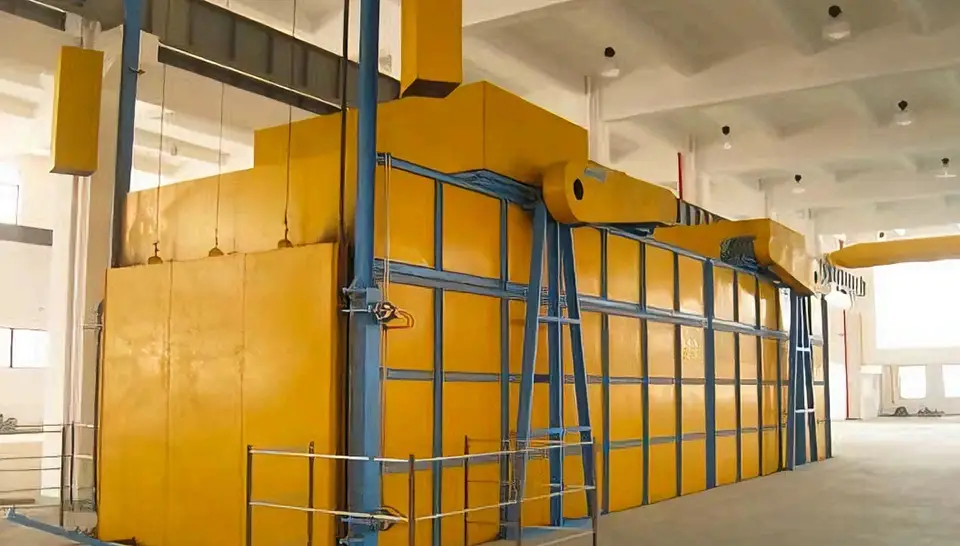
Some aluminum poles require T6 heat treatment to achieve their specified mechanical properties. Morelux has a heat-treatment oven designed for aluminum poles up to 13.5 meters long.
The treatment depends on the alloy and product requirements. Applying the appropriate process helps bring the aluminum to the required condition after forming and fabrication.
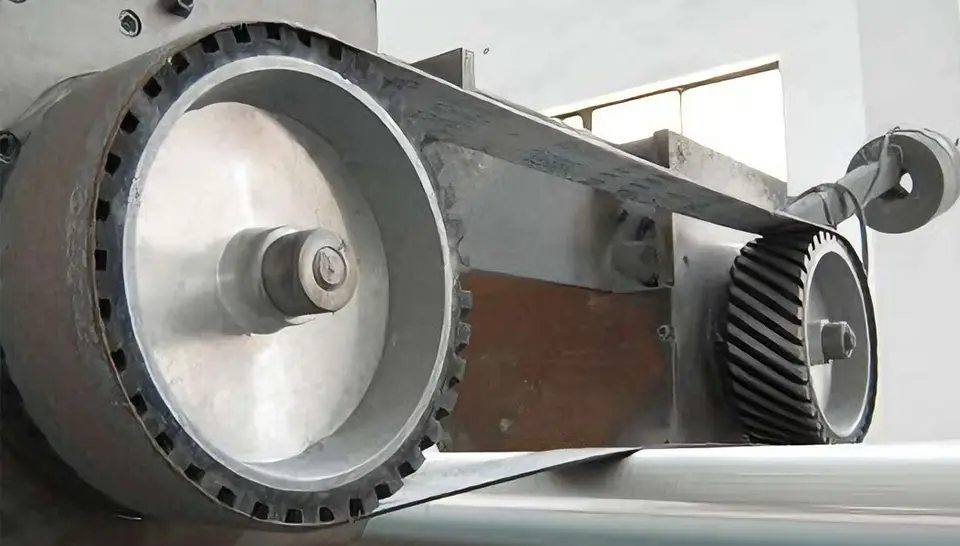
Before the final finish is applied, the pole surface may be brushed or polished. Brushing creates a visible grain, while polishing gives the surface a smoother appearance.
The choice depends on the finish specified for the product. Surface preparation also helps reduce visible marks and gives the subsequent coating or anodizing a more consistent base.
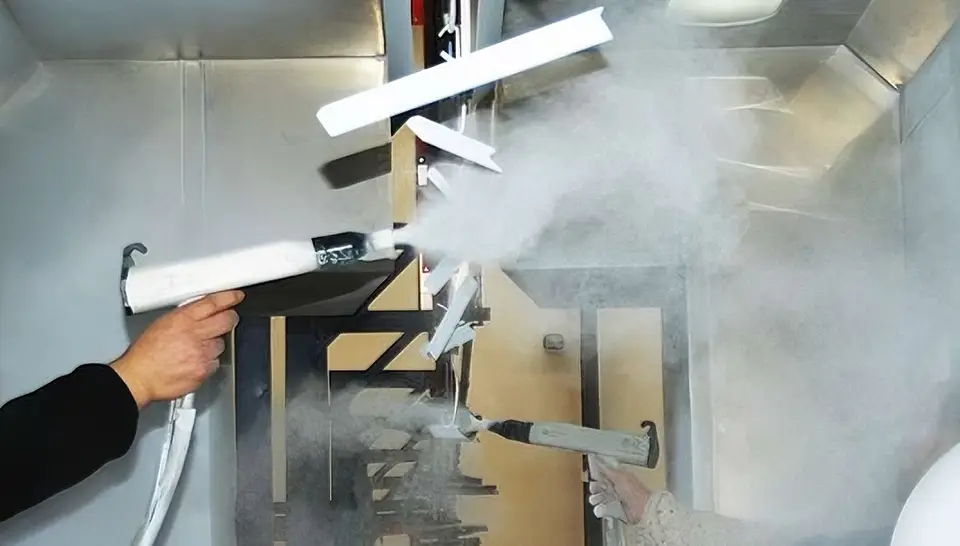
The finish affects both the appearance of a lighting pole and how its surface withstands outdoor exposure. Morelux offers several options for different designs and project requirements.
Morelux has automatic anodizing and painting equipment. Marine coating options can also be discussed for projects with specific environmental conditions.
Inspection helps confirm that the finished pole matches the agreed specifications. Depending on the order, checks may cover dimensions, material properties, weld appearance, and surface finish.
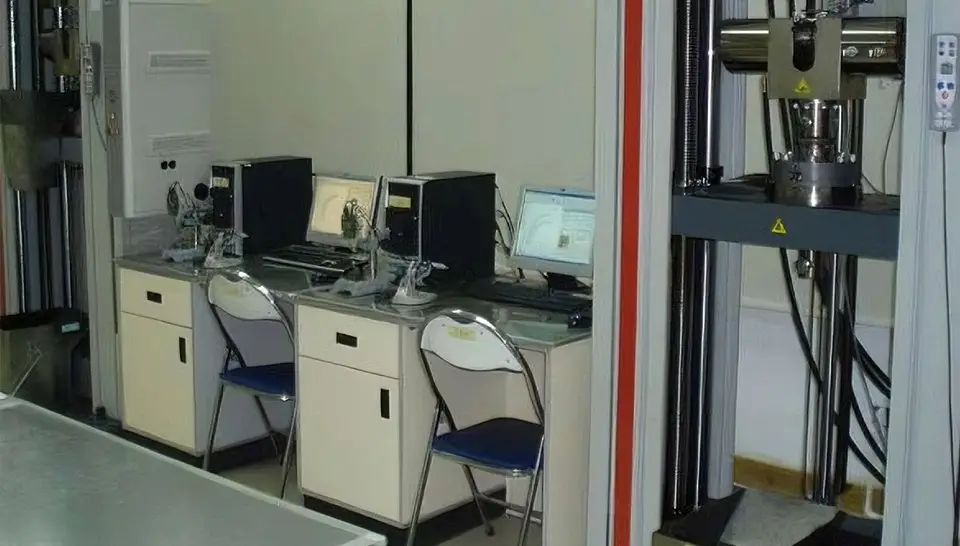
Morelux lists equipment for tensile strength, yield strength, elongation, coating thickness, adhesion, and hardness testing. A spectrometer is also used for aluminum composition analysis. Buyers should confirm the required tests and reports with the team before production.
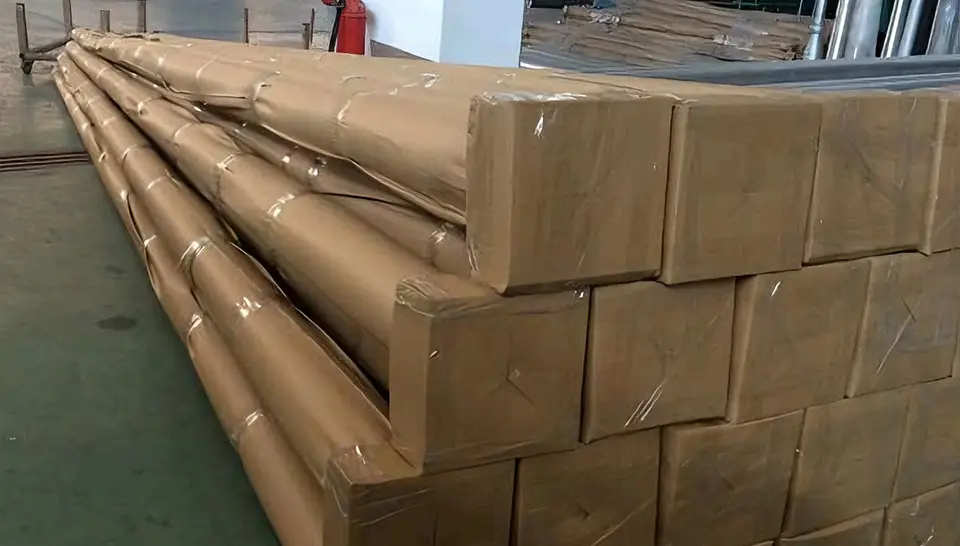
Finished poles need protection during loading and transportation, especially when they have coated or polished surfaces. Morelux uses materials such as nylon bags, bubble wrap, and corrugated protection, depending on the product and shipping method.
Packaging is arranged according to the pole dimensions, finish, and delivery requirements to help prevent scratches and handling damage during transit.