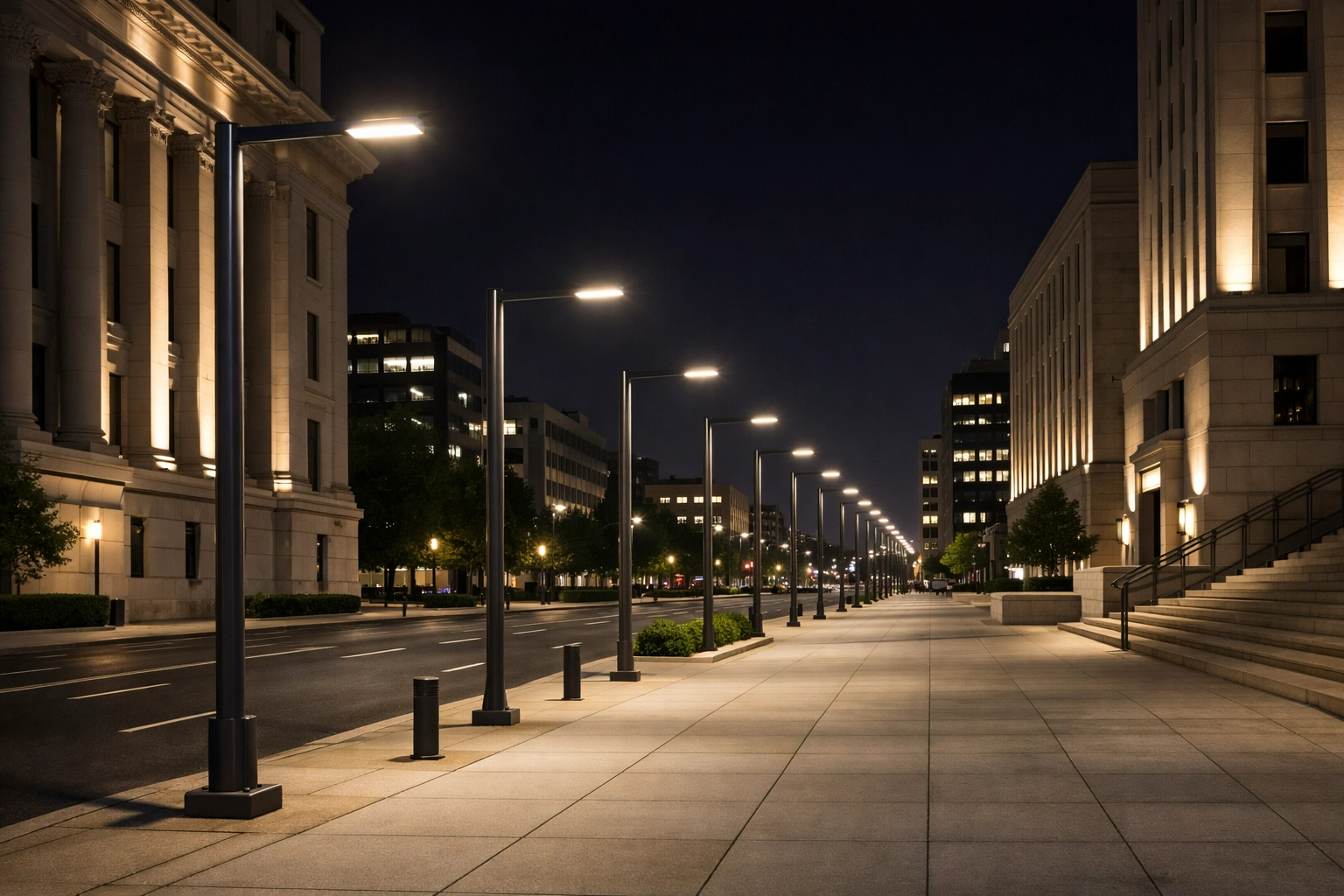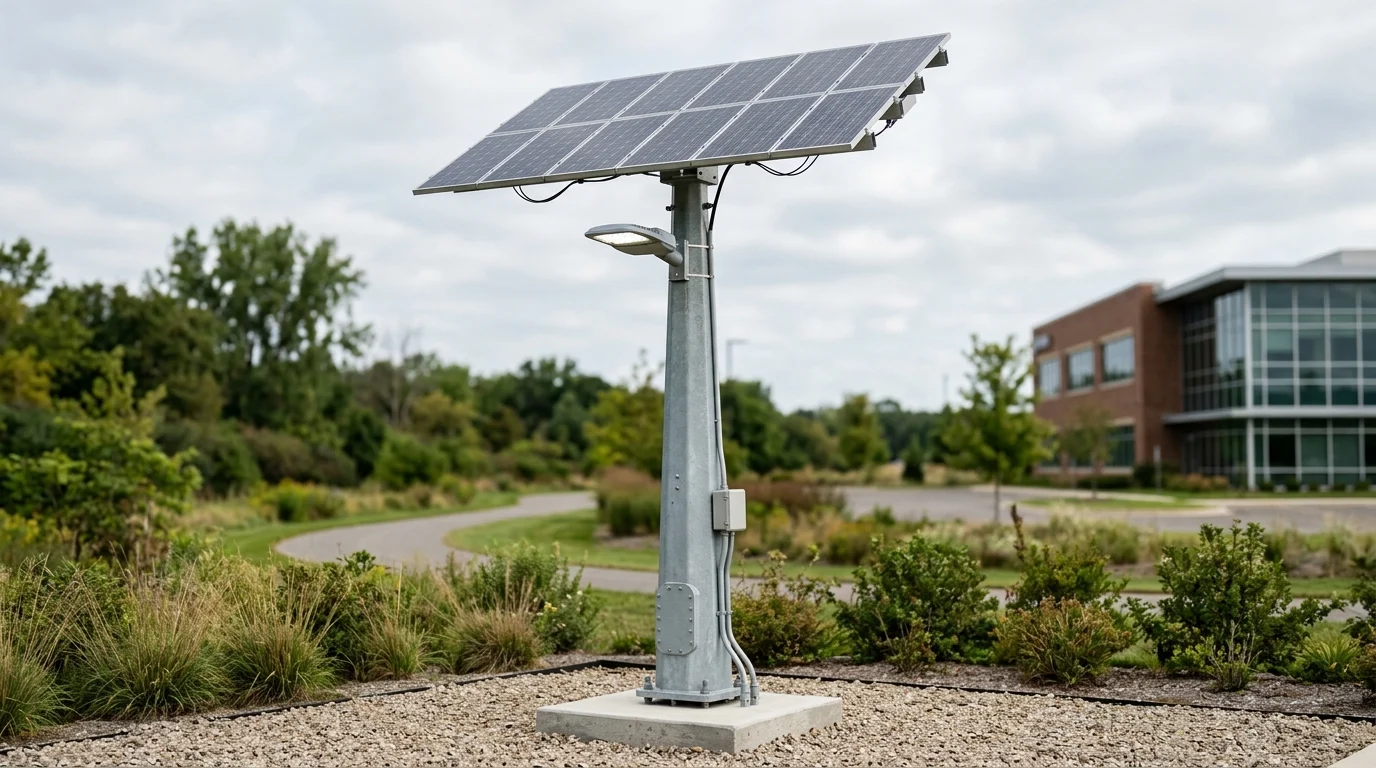
Selecting a solar pole for a remote roadway is a structural and performance decision, not just a matter of mounting a light. The right choice has to support panels, batteries, luminaires, or sensors while withstanding wind, corrosion, poor soil conditions, and limited maintenance access. A mismatch can shorten system life, increase service costs, or create safety risks in locations where repairs are slow and expensive. This article explains the main factors that determine pole suitability, including load capacity, height, materials, foundation needs, and site conditions, so you can evaluate options with a clearer understanding of what reliable off-grid roadside infrastructure actually demands.
Why Solar Pole Selection Matters for Remote Sites
Deploying autonomous lighting, telecommunications, or monitoring systems on remote roadways requires highly robust structural supports. Unlike conventional grid-tied streetlights, off-grid infrastructure must independently bear the substantial physical footprint of energy generation and storage equipment. Proper solar pole selection dictates the long-term structural viability, public safety, and financial return on investment of these isolated installations.
What a solar pole is in remote applications
In remote infrastructure projects, a solar pole functions as a highly engineered mounting structure rather than a simple vertical support. These poles must continuously support the dynamic loads of photovoltaic (PV) panels and heavy battery enclosures—often weighing between 50 and 150 kilograms—alongside the primary luminaires or sensor arrays. Due to the absence of utility grids, these structures serve as the physical backbone for completely self-contained microgrids.
The structural profile of these poles typically ranges from 6 to 12 meters in height, depending on the required illumination spread or the necessary sensor field of view. Because remote sites lack immediate access to heavy lifting equipment for routine adjustments, the pole’s design must integrate secure, weather-sealed mounting brackets and internal raceways to protect delicate direct current (DC) wiring from environmental degradation, wildlife interference, and vandalism.
Which operating conditions affect selection
Environmental stressors dictate the foundational and structural requirements of any remote solar pole. Wind loading is the primary physical constraint; poles installed in coastal or mountainous transit corridors must frequently withstand wind speeds exceeding 130 mph (58 m/s). This generates massive bending moments at the base, amplified by the large surface area of the solar panels, which act as a sail under high-velocity gusts.
Beyond wind, extreme temperature fluctuations and soil bearing capacities critically impact selection. In regions experiencing sub-zero winters, certain metal alloys may suffer from low-temperature embrittlement, while arid desert environments expose poles to severe UV radiation and abrasive sandstorms. Furthermore, geotechnical conditions dictate foundation design. Poor soil-bearing capacity may necessitate helical piles or oversized concrete footings rather than standard direct-burial methods, directly influencing the pole’s base plate specifications.
Technical and Commercial Criteria for Solar Pole Selection
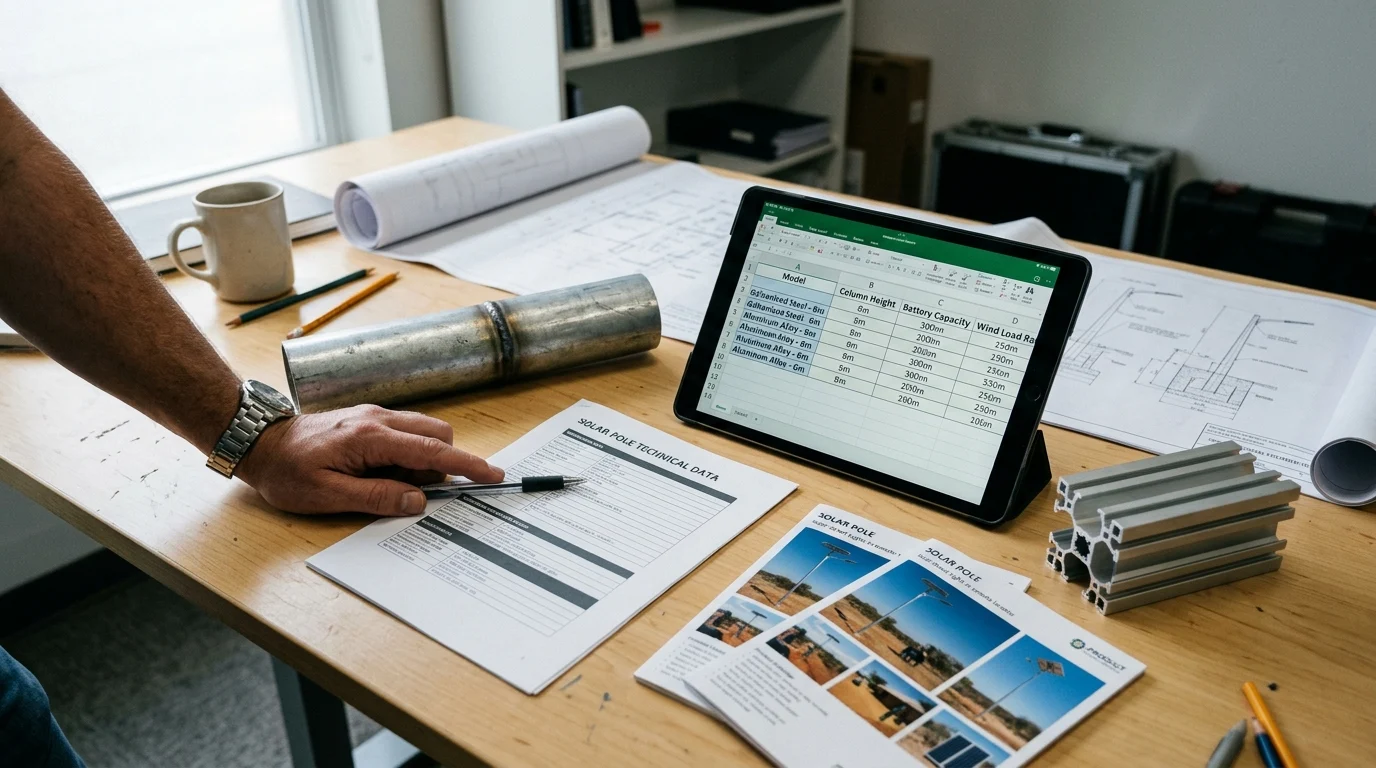
Specifying the correct pole requires engineering teams to evaluate a matrix of physical properties alongside procurement budgets. Balancing upfront capital expenditure against long-term durability is essential, particularly when maintenance access is restricted by geography.
How load, height, material, and corrosion resistance shape performance
The interaction between load capacity, pole height, and material composition determines the structural integrity of the installation. Engineers calculate the Effective Projected Area (EPA) of the solar array and luminaire to ensure the pole’s material yield strength can withstand local wind zones without permanent deflection. Hot-dip galvanized steel remains the industry standard for high-load applications, offering exceptional tensile strength. To prevent degradation, these steel poles must adhere to standards like ASTM A123, which requires a minimum zinc coating thickness of 85 microns.
Alternatively, marine-grade aluminum and Fiberglass Reinforced Polymer (FRP) offer superior corrosion resistance in saline or highly acidic environments. While aluminum provides a lighter footprint—weighing approximately 30% to 40% of an equivalent steel pole—it requires larger wall thicknesses to achieve the same load-bearing capacity. FRP eliminates oxidation risks entirely and provides electrical insulation, though it may experience surface degradation under intense, prolonged UV exposure if not properly coated.
Which comparison criteria buyers should use
Procurement teams must weigh structural specifications against commercial realities, utilizing a standardized set of criteria to compare vendor offerings. Key metrics include lifecycle cost, logistical feasibility, and warranty terms. While steel presents the lowest initial cost, aluminum or FRP can drastically reduce heavy-machinery rental costs during installation at inaccessible sites.
| Material | Typical Lifespan | Relative Cost | Weight Profile | Corrosion Resistance |
|---|---|---|---|---|
| Hot-Dip Galvanized Steel | 25-30 years | Baseline (1.0x) | Heavy | High (sacrificial coating) |
| Marine-Grade Aluminum | 30-40 years | Premium (1.5x – 2.0x) | Light (~30% of steel) | Excellent (natural oxidation) |
| Fiberglass (FRP) | 30+ years | Premium (1.4x – 1.8x) | Very Light | Ultimate (non-metallic) |
Lead times also play a critical role in commercial selection. Standard galvanized steel poles typically require a 4-to-8-week production cycle, whereas custom-engineered FRP or specialized aluminum extrusions can extend lead times up to 12 weeks. Buyers must align these supply chain constraints with project deployment schedules to avoid costly delays.
How to Match a Solar Pole to Site Requirements
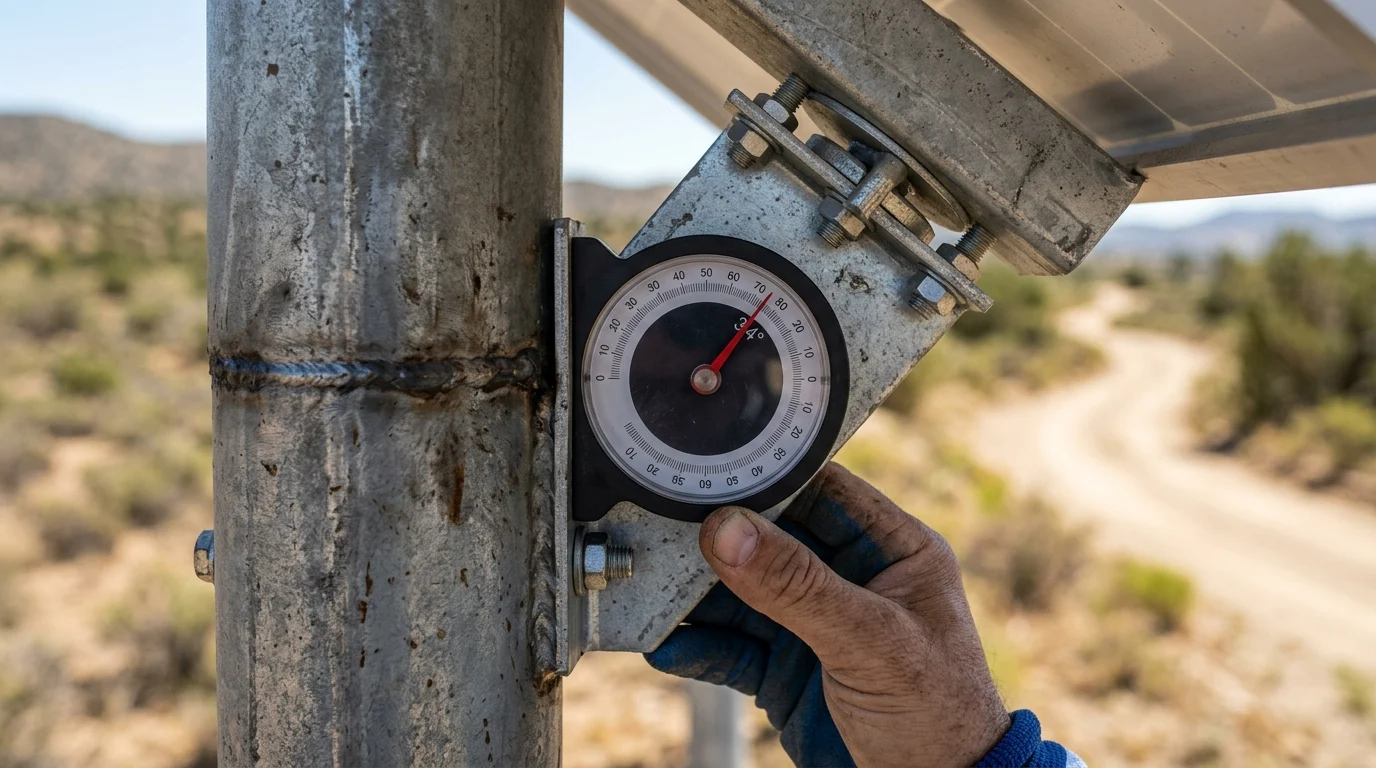
Translating technical criteria into a successful field deployment requires a systematic procurement methodology. Specifying the correct pole demands precise alignment between the equipment’s physical demands, the site’s environmental profile, and the realities of remote logistics.
What steps teams should follow to specify the right pole
The specification process begins with a rigorous load analysis. Engineering teams must aggregate the maximum weight and total EPA of all mounted hardware, including the PV panels, mounting brackets, battery boxes, and lighting fixtures. Once the total load is quantified, teams cross-reference this data with local meteorological standards, such as the AASHTO LTS-6 specifications for structural supports.
Following load calculations, teams must specify the foundation and mounting interface. For concrete foundations, this involves selecting precise base plate dimensions and anchor bolts. A standard 8-meter pole supporting a 100-kilogram payload in a high-wind zone typically requires 1-inch diameter galvanized steel anchor bolts with a minimum embedment depth of 36 inches. Finally, specifiers must determine the optimal mounting orientation, ensuring the pole design accommodates a fixed or adjustable tenon that allows solar panels to face the equator at the optimal tilt angle for the site’s latitude.
How to balance compliance, logistics, and maintenance
Balancing regulatory compliance with logistical constraints is the final hurdle in remote solar pole selection. Transportation to off-grid roadways often dictates physical design limitations. For example, standard international shipping relies on 40-foot containers, which limit single-piece pole lengths to a maximum of 11.8 meters. If a project requires taller structures, teams must specify multi-piece, slip-fitted, or flanged poles to ensure transportability without requiring specialized oversize freight permits.
Maintenance
Key Takeaways
- The most important conclusions and rationale for Solar Pole
- Specs, compliance, and risk checks worth validating before you commit
- Practical next steps and caveats readers can apply immediately
Frequently Asked Questions
What is the most important factor when choosing a solar pole for remote roadways?
Start with wind load and total equipment weight. The pole must safely support the solar panel, battery box, and fixture without excessive deflection in your site’s wind zone.
Which pole material is best for remote solar roadway projects?
Hot-dip galvanized steel suits high-load sites, aluminum helps where transport and lifting are difficult, and FRP fits highly corrosive areas. Match material to load, environment, and maintenance access.
How do soil conditions affect solar pole selection?
Soil bearing capacity determines the foundation type. Weak or variable soils may require larger footings or helical piles, so geotechnical data should be reviewed before finalizing pole and base details.
How tall should a solar pole be for a remote roadway?
Most remote roadway solar poles fall in the 6–12 meter range. Final height depends on lighting coverage, panel size, mounting loads, and local wind requirements.
Can Morelux provide custom solar poles and project support?
Yes. Morelux supports B2B buyers with customized pole solutions, technical drawings, engineer assistance, and fast quotations to help infrastructure projects specify suitable solar poles efficiently.