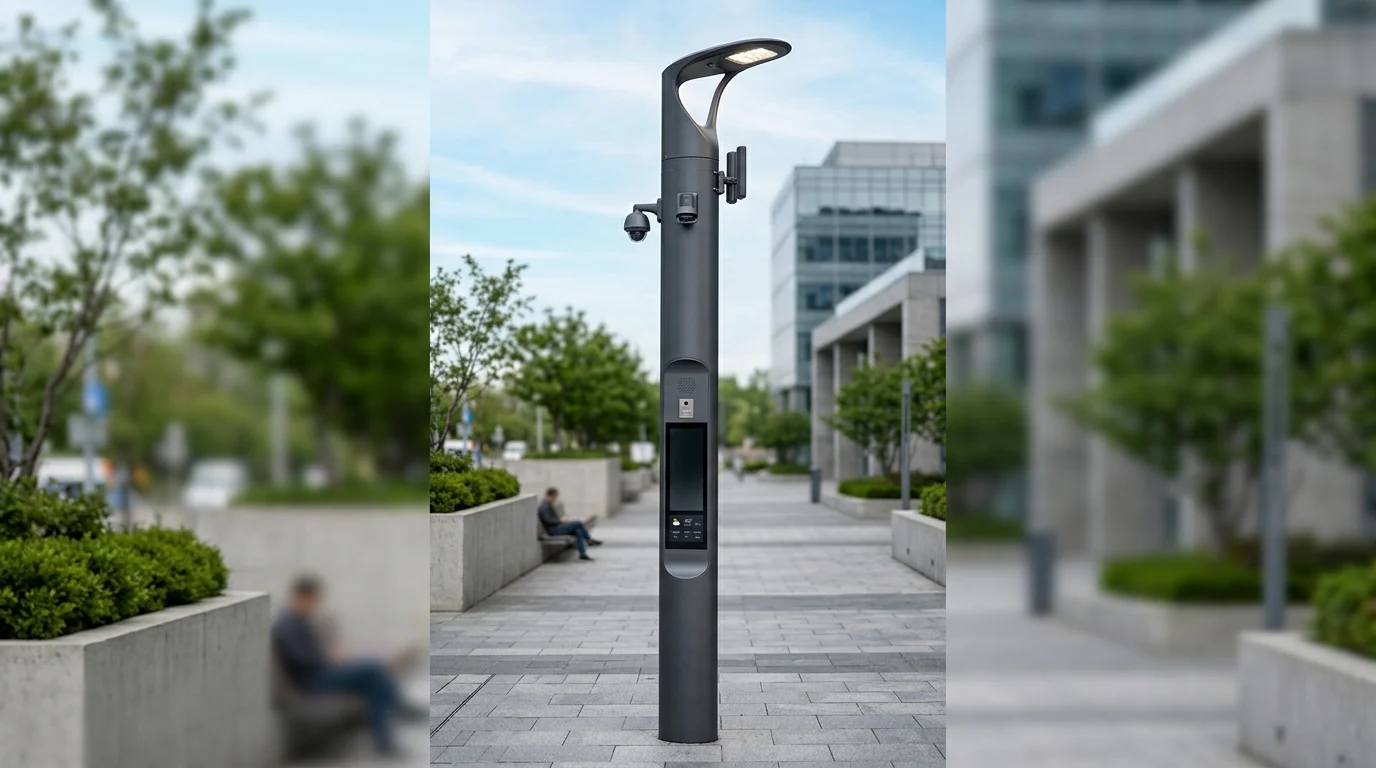
Smart Light Pole Design for Multi-Vendor Projects
Integrating multi-vendor CCTV arrays, environmental sensors, and telecommunications equipment onto a single smart light pole requires rigorous structural and electrical engineering. For B2B procurement teams, sourcing a pole that accommodates disparate hardware without compromising structural integrity is a primary challenge in urban infrastructure development.
A standardized infrastructure approach minimizes field retrofitting, reduces installation labor, and ensures long-term operational stability. By treating the smart light pole as a unified integration platform rather than a simple lighting fixture, project managers can drastically reduce the friction associated with deploying equipment from multiple security and networking vendors.
Defining Smart Light Pole Requirements
Establishing baseline structural specifications is the first critical step in multi-vendor integration. A high-performance smart light pole must support varying payloads from different CCTV manufacturers, ranging from lightweight fixed dome cameras to heavy-duty Pan-Tilt-Zoom (PTZ) units weighing between 15 kg and 25 kg.
Beyond static weight, dynamic load calculations are vital for optical stability. Procurement specifications should mandate wind load resistance ratings of at least 140 km/h to 160 km/h, ensuring pole deflection remains within strict tolerances to prevent video jitter in high-zoom applications. Internal cavity dimensions must also provide a minimum diameter of 100mm to 114mm to accommodate complex, multi-vendor cable bundles without exceeding thermal limits.
Design Factors That Reduce Integration Risk
Mitigating integration risk relies heavily on a modular design architecture. Utilizing universal mounting tenons and adjustable bracket tracks allows field technicians to secure equipment from various top-tier security brands without custom drilling, which could compromise the pole’s anti-corrosion coating. Compliance with standards such as AASHTO LTS-6 for structural supports further validates the pole’s vibration-dampening capabilities.
Electrical interference represents another significant risk factor when mixing vendor equipment. Premium poles incorporate physical segregation within the shaft, utilizing dual internal conduits to separate 110V/220V AC power lines from low-voltage PoE (Power over Ethernet) and fiber optic data cables. This physical barrier eliminates electromagnetic interference (EMI), ensuring high-definition video feeds remain artifact-free regardless of the power loads drawn by adjacent smart city sensors.
Technical and Sourcing Criteria for Supplier Selection
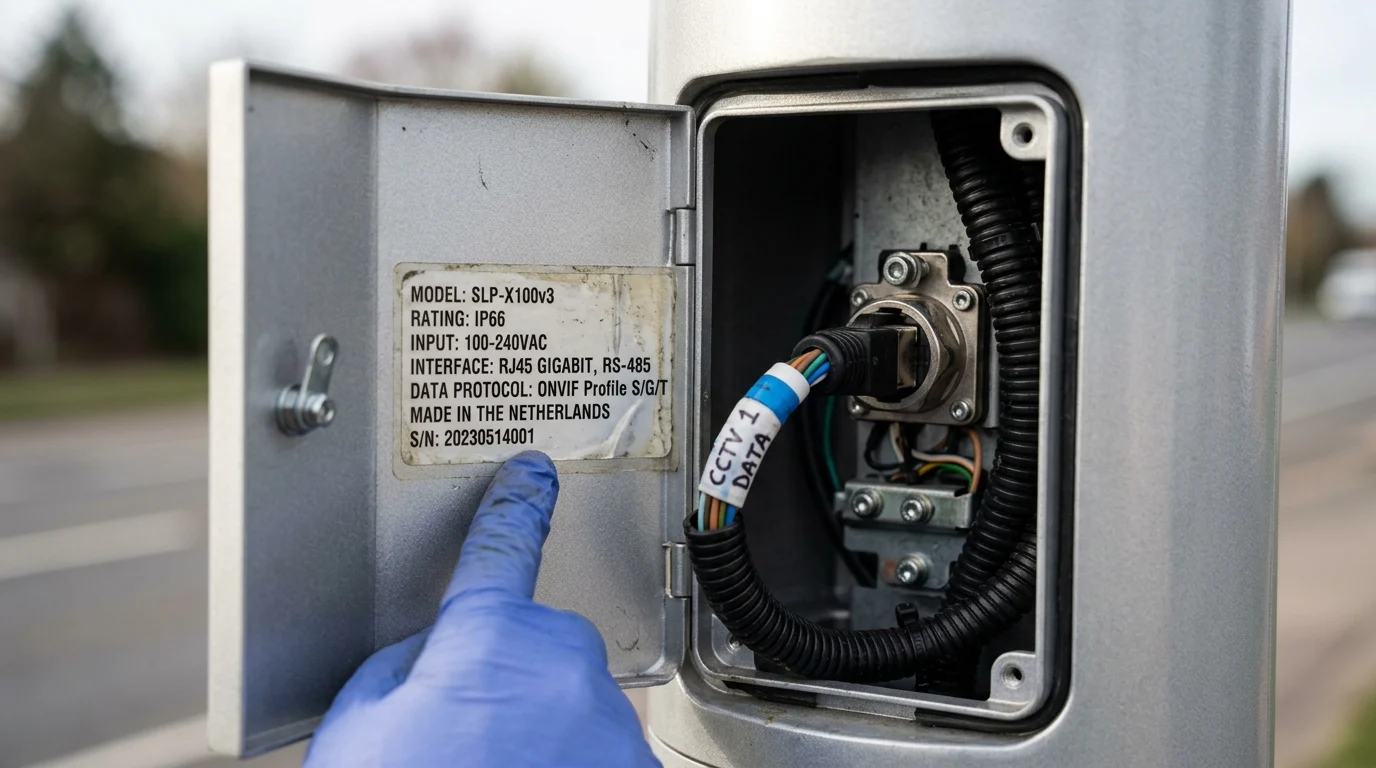
Selecting the right manufacturing partner dictates the lifespan and scalability of a smart light pole network. Buyers must evaluate suppliers based on their metallurgical expertise, fabrication tolerances, and capacity to deliver consistent quality across high-volume commercial orders.
A supplier’s in-house capabilities—spanning cutting, bending, spinning, welding, and advanced surface treatments—directly impact both the structural reliability of the pole and the efficiency of the global supply chain.
Comparing Materials, Fabrication, and Mounting Options
The choice of substrate material profoundly influences both the physical performance and the aesthetic longevity of the deployment. Marine-grade aluminum and hot-dip galvanized steel remain the dominant choices, each offering distinct advantages for B2B applications and multi-vendor mounting requirements.
Aluminum alloys, specifically 6063-T6, are frequently specified for premium municipal projects due to their superior corrosion resistance and favorable strength-to-weight ratio. A standard extrusion with a 3.0mm to 5.0mm wall thickness provides excellent rigidity for CCTV mounting while remaining lightweight enough to reduce heavy lifting equipment costs during installation. To ensure maximum durability, these poles often receive a powder coating thickness of 80 to 120 microns.
| Material | Typical Alloy/Grade | Wall Thickness | Corrosion Resistance | Ideal Application |
|---|---|---|---|---|
| Aluminum | 6063-T6 | 3.0mm – 5.0mm | Excellent (Natural Oxide) | Coastal, High-End Urban, Smart Poles |
| Steel | Q235 / Q345 | 4.0mm – 6.0mm | High (Hot-Dip Galvanized) | Highway, Heavy Industrial, High-Mast |
Checking Compliance, Testing, MOQ, and Logistics
Procurement professionals must rigorously verify a manufacturer’s compliance framework before finalizing a supply agreement. Industry-standard smart poles must carry IP65 or IP66 ratings for internal equipment bays to protect sensitive CCTV routing hardware, alongside IK08 to IK10 impact resistance ratings to withstand urban vandalism. Facility certifications, particularly ISO 9001 for quality management and ISO 14001 for environmental standards, are non-negotiable baselines for international trade.
Logistics and minimum order quantities (MOQ) heavily influence unit economics and project pacing. Top-tier manufacturers typically enforce an MOQ of 20 to 50 units for custom smart pole extrusions to absorb setup and tooling costs. Furthermore, buyers must optimize container loading to manage freight expenses; a standard 40-foot High Cube (40HQ) container can typically accommodate 120 to 150 disassembled smart poles, depending on base flange dimensions and the specific modular arm configurations required for the CCTV arrays.
How Buyers Should Evaluate and Select Smart Light Pole Suppliers
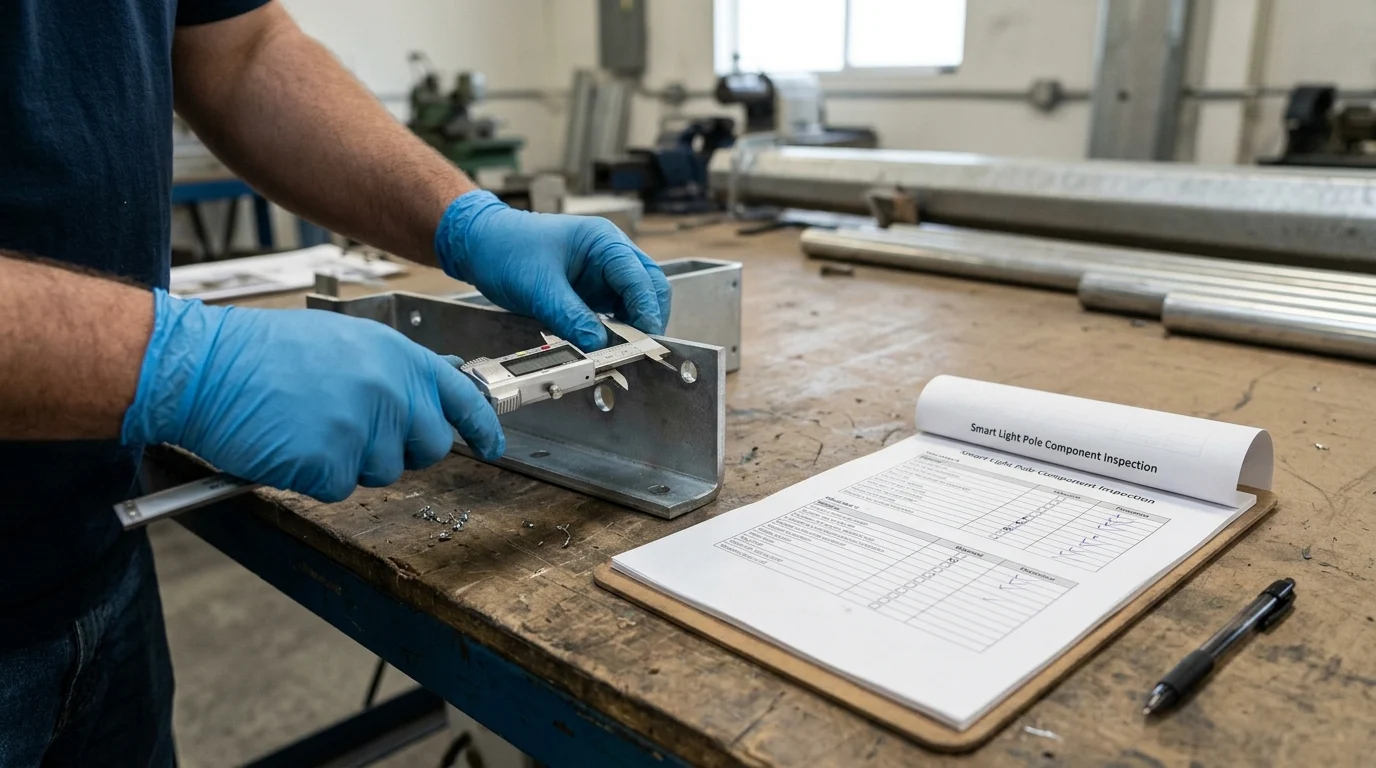
Strategic sourcing of smart light pole infrastructure requires moving beyond transactional purchasing to establish long-term manufacturing partnerships. Buyers must deeply assess a supplier’s financial stability, production scalability, and commitment to continuous engineering support.
Evaluating the total cost of ownership (TCO) involves analyzing not just the initial unit price but also the hidden costs associated with delayed shipments, field failures, and hardware incompatibilities that can derail multi-vendor integration projects.
Balancing Cost, Lead Time, and Quality
Achieving an optimal balance between capital expenditure and deployment speed requires transparent communication with the factory. Custom tooling for specialized CCTV mounting rails or proprietary access doors typically incurs initial NRE (Non-Recurring Engineering) costs ranging from $2,000 to $5,000. Savvy buyers will negotiate the amortization of these costs over the first high-volume production run to protect project margins.
Standard production lead times for heavily customized smart poles generally span 30 to 45 days, excluding ocean freight. However, suppliers equipped with robust in-house capabilities—such as automated spinning machinery and robotic welding cells—can often compress this timeline by 15% to 20% while maintaining strict quality control. A reliable factory should consistently demonstrate defect rates below the stringent industry benchmark of 0.5%.
Final Decision Criteria for Vendor Selection
The final vendor selection must hinge on comprehensive technical support and risk mitigation guarantees. Buyers should prioritize manufacturing partners that demonstrate proven experience in multi-vendor integration, ensuring long-term operational stability for complex urban infrastructure deployments.
Key Takeaways
- Wholesale sourcing and supply-chain implications for smart light pole
- Specifications, compliance, and commercial terms buyers should validate
- Actionable recommendations for distributors and procurement teams
Frequently Asked Questions
What pole features help integrate CCTV from different vendors?
Specify universal mounting tenons, adjustable bracket tracks, and enough internal space for mixed cable bundles. This reduces custom drilling and simplifies field installation.
How much wind resistance should a smart light pole have for CCTV stability?
Most projects require 140–160 km/h wind resistance and controlled deflection. This helps prevent video jitter, especially with PTZ cameras.
Which material is better for a smart light pole: aluminum or steel?
Use 6063-T6 aluminum for coastal or premium urban sites, and galvanized Q235/Q345 steel for highways or heavy-duty applications. The final choice depends on corrosion risk, payload, and budget.
How can Morelux support custom smart pole sourcing for multi-vendor projects?
Morelux provides customized pole designs, technical drawings, engineer support, and fast quotes for infrastructure buyers. This helps speed specification review and manufacturing decisions.
What supplier checks matter before ordering smart light poles?
Confirm ISO 9001, ISO 14001, IP65/IP66 equipment protection, impact rating, in-house fabrication capability, and clear MOQ/logistics terms. These checks reduce quality and delivery risk.