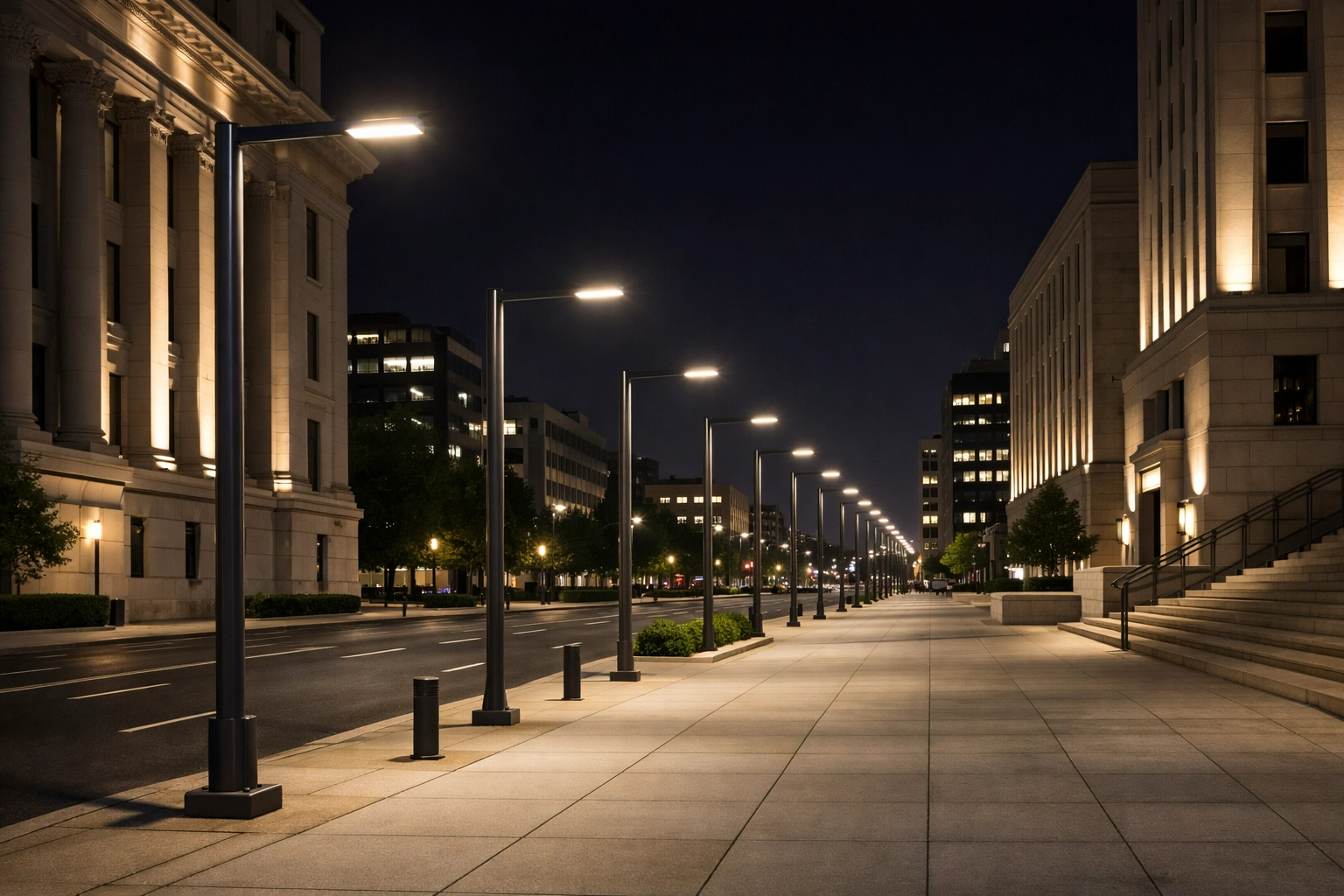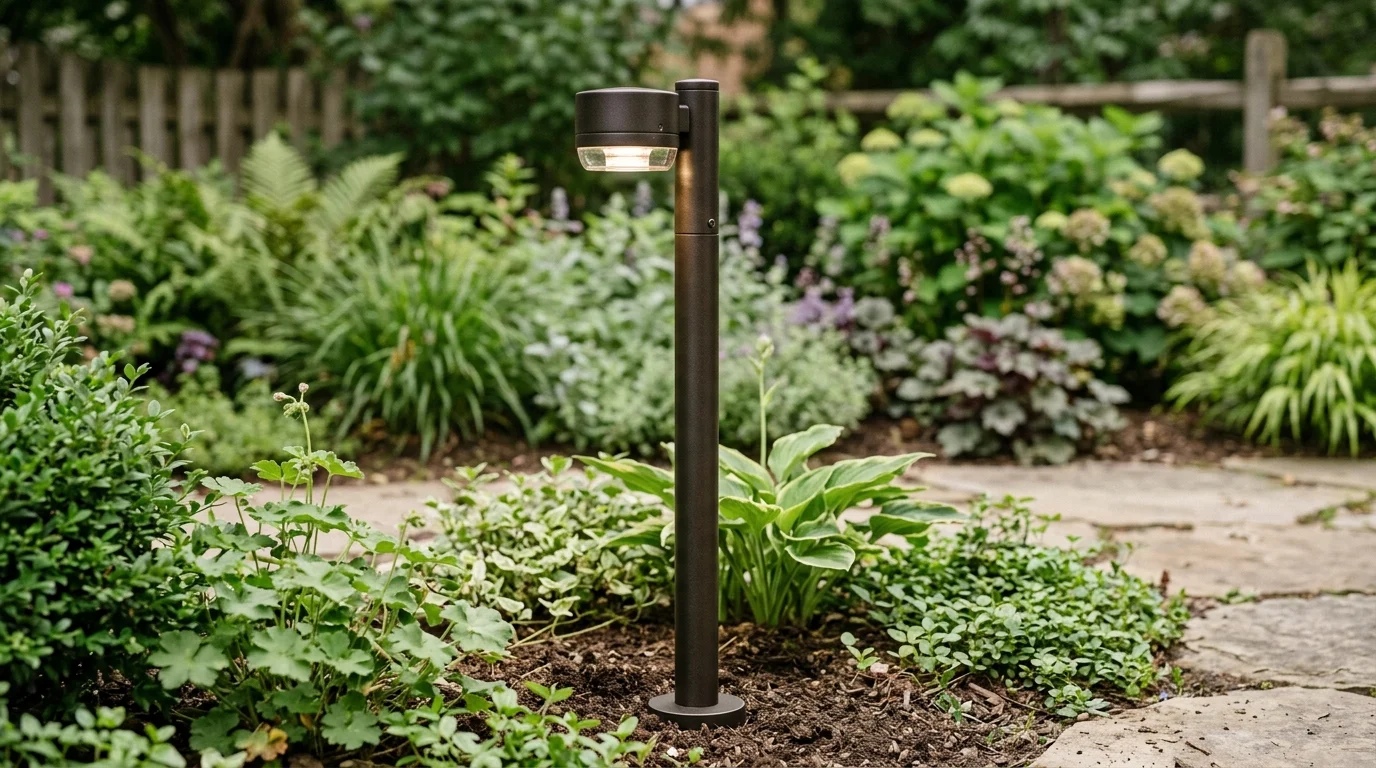
Outdoor lighting upgrades do not always require new poles, foundations, or complete fixture replacement. For cities, campuses, parks, and commercial landscapes, converting fluorescent lamps to LED tubes can deliver measurable savings while preserving existing garden pole infrastructure. A typical retrofit can reduce lamp wattage from 32–40W to 12–18W, extend service life beyond 50,000 hours, and improve visibility with more controlled beam distribution. This guide explains when LED tube replacement makes financial and technical sense, what specifications to check, and how project buyers can evaluate performance, safety, and long-term maintenance impact before approving a rollout.
Why Retrofit Garden Light Poles to LED
Upgrading landscape illumination infrastructure requires evaluating the transition from legacy fluorescent technology to solid-state lighting. Retrofitting a garden light pole with LED tubes offers facility managers and urban planners a streamlined pathway to modernize outdoor lighting without the capital expenditure of a complete fixture replacement.
Energy and maintenance cost savings
Traditional T8 and T12 fluorescent tubes historically consume between 32 and 40 watts per lamp. By transitioning to LED retrofit tubes, power consumption drops to a range of 12 to 18 watts, yielding an immediate energy reduction of 50 to 60 percent. Furthermore, the operational lifespan of a standard fluorescent tube caps at approximately 15,000 hours, whereas commercial-grade LED tubes reliably exceed 50,000 hours. This exponential increase in longevity drastically cuts the frequency of routine maintenance deployments, saving substantial labor costs over the lifecycle of the lighting array.
Lighting performance and safety benefits
Beyond raw efficiency, LED tubes deliver superior photometric performance. Fluorescent lamps suffer from rapid lumen depreciation and flicker, especially in cold outdoor environments where gases struggle to ignite. LEDs provide a high Color Rendering Index (CRI > 80) and consistent illumination regardless of ambient temperature drops. Because LEDs emit directional light, they eliminate the need for inefficient reflectors inside the pole housing, effectively reducing light pollution and improving pathway visibility for pedestrians and vehicles.
When retrofit beats fixture replacement
Total fixture replacement is highly capital-intensive, often costing between $300 and $800 per pole when factoring in new housings, structural modifications, trenching, or concrete work. Conversely, an LED tube retrofit utilizes the existing pole and housing architecture, requiring only $20 to $50 in materials per fixture. When the physical structure of the garden light pole remains uncompromised and aesthetically acceptable, retrofitting is the financially superior methodology, maximizing infrastructure reuse while upgrading the core technology.
Key LED Retrofit Specifications
Specifying the correct LED tube for outdoor landscape lighting demands careful attention to photometric, electrical, and environmental parameters. Engineers must match the retrofit components to the specific demands of the existing garden light pole to ensure long-term stability.
| Specification | Legacy Fluorescent (T8) | LED Retrofit Equivalent |
|---|---|---|
| Power Consumption | 32W – 40W | 12W – 18W |
| Luminous Efficacy | 60 – 80 lm/W | 120 – 150 lm/W |
| Beam Angle | 360 degrees (Omnidirectional) | 180-270 degrees (Directional) |
| Average Lifespan | 15,000 hours | 50,000+ hours |
Lumens, beam angle, and color temperature
To match or exceed the output of a legacy fluorescent, a standard 4-foot LED retrofit tube should deliver between 1,800 and 2,200 lumens. Because garden light poles require specific light distribution to illuminate pathways without blinding pedestrians, selecting the correct beam angle is critical. A 180-degree to 270-degree beam angle ensures optimal forward and lateral throw without wasting lumens against the back of the fixture housing. For outdoor aesthetic compatibility, a correlated color temperature (CCT) of 3000K to 4000K is standard, providing a warm to neutral white that enhances landscape features without the harsh glare associated with higher kelvin ratings.
Electrical compatibility and ballast options
Electrical architecture dictates the retrofit strategy. LED tubes are categorized primarily into Type A (plug-and-play, utilizing the existing fluorescent ballast), Type B (direct wire, requiring ballast bypass), and Type C (utilizing an external LED driver). The input voltage of the selected tube must align with the site’s electrical infrastructure, which typically ranges from 120V to 277V AC in commercial landscape environments. Understanding these compatibility requirements prevents catastrophic electrical failures upon installation.
Outdoor ratings, thermal management, and IP protection
Outdoor environments subject lighting components to severe thermal and moisture stress. Retrofit tubes installed in garden light poles must feature adequate thermal management systems, typically extruded aluminum heat sinks, to operate reliably within an extreme ambient temperature range of -20°C to 50°C. If the existing pole housing is not hermetically sealed, the LED tube itself should carry a minimum IP65 rating. This ingress protection is mandatory to withstand high humidity, condensation, and potential water spray from nearby irrigation systems.
Retrofit Planning and Installation
Executing an LED retrofit in outdoor garden light poles requires a systematic approach to ensure structural integrity and electrical safety. A poorly planned installation can lead to moisture intrusion, electrical shorts, or premature component failure.
Site audit checklist
Prior to procurement and installation, a comprehensive site audit is mandatory. Technicians must inspect the existing tombstones (sockets) to determine if they are shunted or non-shunted, as this dictates the wiring diagram required for Type B LED tubes. The audit should also rigorously document the physical condition of the pole’s gaskets, polycarbonate lenses, and wiring harnesses. Any fixture exhibiting more than 15 percent structural degradation, heavy corrosion, or compromised weather seals must be flagged for housing repair prior to initiating the retrofit.
Step-by-step retrofit process
The installation process begins with safely isolating the circuit. For the highly recommended Type B direct-wire retrofit, the technician removes the fluorescent tube, severs the wires leading to the legacy ballast, and physically extracts the ballast to eliminate future failure points. The incoming line and neutral wires are then routed directly to the appropriate tombstones. Once the wiring is secured with waterproof wire nuts to prevent corrosion, the new LED tube is seated. Finally, a mandatory retrofit warning label must be affixed to the fixture, alerting future maintenance personnel that the ballast has been bypassed and the sockets carry direct line voltage.
Downtime, safety, and testing controls
Minimizing operational downtime requires strict adherence to Lockout/Tagout (LOTO) protocols, particularly in commercial landscapes where multiple poles operate on a single 277V circuit. Post-installation, rigorous testing is necessary before returning the system to standard operation. This includes confirming proper illumination, verifying correct voltage at the modified socket, and performing a dielectric withstand test (Hi-Pot test) at 1000V plus twice the rated voltage. This test ensures no short circuits exist within the newly modified housing and that the insulation integrity remains uncompromised.
Compliance, Sourcing, and Cost Analysis
Transitioning commercial landscape lighting to LED involves navigating stringent safety standards and validating the financial return on investment. Stakeholders must rely on certified data and objective modeling to justify the procurement.
Safety certifications and outdoor standards
Any retrofit kit or component deployed in a commercial environment must carry appropriate safety certifications. UL 1598C is the definitive standard governing LED surface-mounted luminaires and retrofit kits, ensuring electrical and fire safety. Additionally, components should meet RoHS directives, verifying the absence of hazardous materials like lead and mercury. For projects seeking utility rebates, the selected LED tubes must be listed by the DesignLights Consortium (DLC), which mandates strict performance thresholds for luminous efficacy, color rendering, and longevity.
Supplier quality and warranty checks
Procurement teams must evaluate supplier reliability through independent testing documentation rather than marketing claims. Requesting LM-79 (photometric performance) and LM-80 (lumen depreciation) test reports ensures the product meets its advertised specifications under laboratory conditions. A commercial-grade LED retrofit tube intended for outdoor deployment should be backed by a minimum 5-year warranty and guarantee an L70 lifespan of at least 50,000 hours, meaning the tube will retain 70 percent of its initial light output after that duration.
Lifecycle cost and ROI model
The financial justification for an LED retrofit is heavily weighted by the lifecycle cost model.
| Cost Metric | Legacy Fluorescent (5 Years) | LED Retrofit (5 Years) |
|---|---|---|
| Initial Hardware Cost | $0.00 (Existing) | $25.00 |
| Energy Cost (@ $0.12/kWh) | $84.09 | $39.42 |
| Maintenance Labor & Parts | $75.00 | $0.00 |
| Total 5-Year Lifecycle Cost | $159.09 | $64.42 |
Assuming an electricity rate of $0.12 per kWh and an operating schedule of 12 hours per day (4,380 hours annually), replacing a 32W fluorescent with a 15W LED yields an annual energy savings of approximately $8.93 per pole. When combined with the elimination of annual fluorescent replacement labor—often calculated at $15 to $25 per maintenance visit—the return on investment (ROI) for a standard garden light pole retrofit typically falls between 12 and 24 months.
Choosing the Right LED Tube Solution
The final phase of the retrofit strategy requires selecting the specific LED tube architecture that aligns with the facility’s maintenance capabilities and long-term infrastructure goals.
Ballast-compatible vs. ballast-bypass tubes
The primary architectural debate centers on Type A (ballast-compatible) versus Type B (ballast-bypass) tubes. Type A tubes offer the fastest installation time, simply requiring a one-for-one lamp swap. However, they rely entirely on the existing fluorescent ballast to regulate power. Industry data indicates that legacy magnetic or aging electronic ballasts in outdoor environments experience a failure rate of nearly 10 to 15 percent within three years of an LED swap. Type B tubes require the initial labor of bypassing the ballast but provide a direct line-voltage connection, completely eliminating the aging ballast as a point of failure.
Decision matrix for cost and reliability
A decision matrix evaluating cost against reliability heavily favors the ballast-bypass approach for outdoor applications. While Type A tubes minimize upfront labor costs by approximately $10 to $15 per pole, the inevitable future dispatch of a technician to bypass a failed ballast negates these savings entirely. Type B tubes represent a higher initial labor investment but deliver maximum long-term reliability. By removing unnecessary electrical components from the circuit, Type B installations guarantee the lowest overall total cost of ownership over a 10-year horizon.
Final selection recommendations
For garden light poles, the definitive recommendation is the implementation of Type B, direct-wire LED tubes. The fluctuating temperatures, high humidity, and moisture levels inherent to outdoor landscapes accelerate ballast degradation, making Type A solutions a poor long-term strategy. Facilities should specify non-shunted tombstones and utilize single-ended power Type B tubes to ensure maximum safety, efficiency, and operational longevity in their modernized landscape lighting arrays.
Key Takeaways
- Replace 32W to 40W fluorescent tubes with 12W to 18W LED tubes to cut garden pole lighting energy use by roughly 50% to 60%.
- Use 4-foot LED tubes rated around 1,800 to 2,200 lumens when matching common legacy fluorescent output.
- Select a 180° to 270° beam angle to improve pathway coverage and reduce wasted light inside the fixture housing.
- Choose commercial-grade LED tubes rated above 50,000 hours to reduce maintenance visits compared with 15,000-hour fluorescent lamps.
- Retrofit existing poles when the structure and housing remain sound, because materials may cost about $20 to $50 per fixture versus $300 to $800 for full replacement.
Frequently Asked Questions
How much energy can an LED tube retrofit save on garden light poles?
Replacing 32W to 40W fluorescent tubes with 12W to 18W LED tubes typically reduces energy use by about 50% to 60%, while maintaining or improving pathway illumination.
When is retrofitting better than replacing the entire pole fixture?
Retrofitting is usually better when the existing pole, housing, wiring access, and appearance are still acceptable. It avoids major civil work and can reduce material costs compared with full fixture replacement.
What LED tube lumen output should be used for a 4-foot replacement?
A typical 4-foot LED retrofit tube should provide about 1,800 to 2,200 lumens to match or exceed common fluorescent performance in outdoor garden pole applications.
Why is beam angle important for garden light pole retrofits?
A 180° to 270° beam angle directs light toward paths and landscaped areas instead of wasting output inside the fixture, improving visibility and reducing unnecessary light spill.
How long do LED retrofit tubes last compared with fluorescent tubes?
Commercial-grade LED tubes can exceed 50,000 hours, while standard fluorescent tubes often last around 15,000 hours. This reduces lamp replacement frequency and maintenance labor.