Introduction
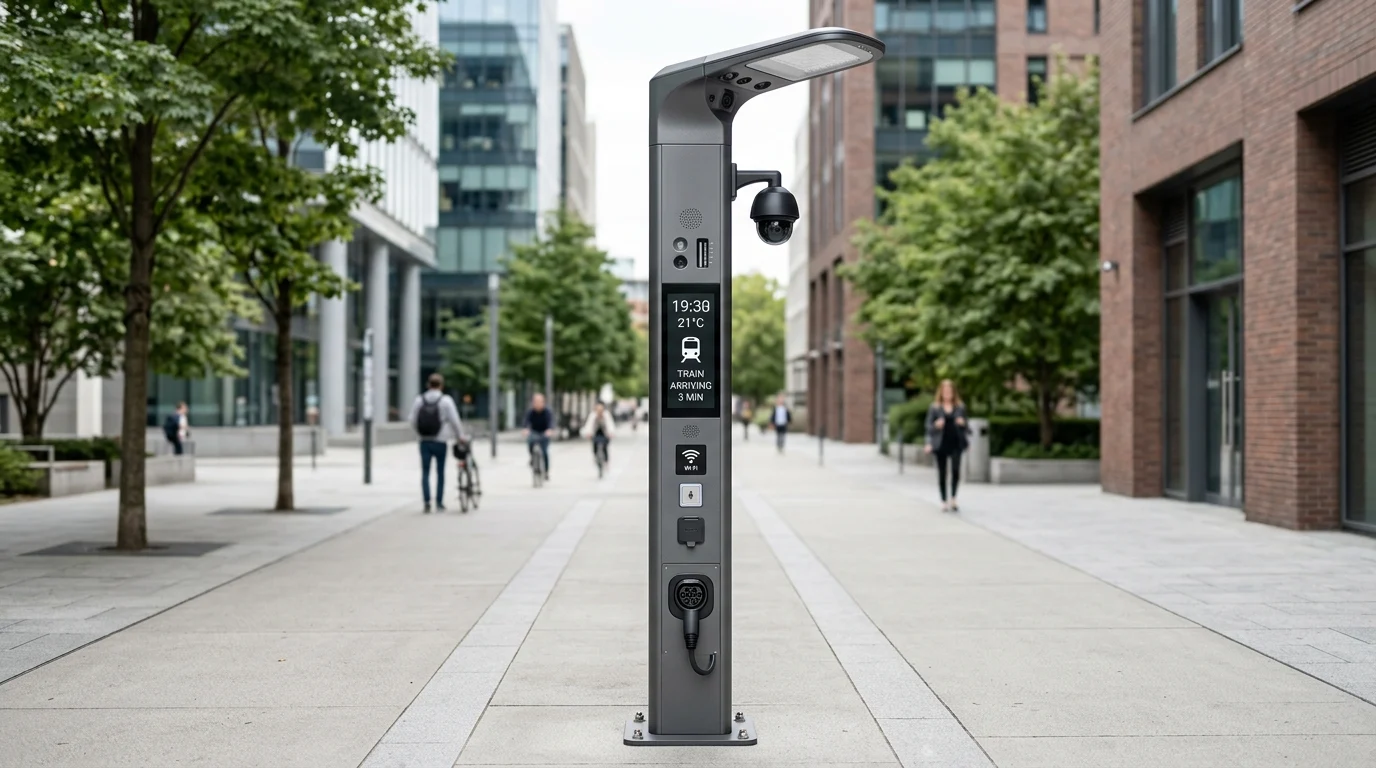
As cities modernize streetscapes, the pole is becoming more than a lighting fixture: it is a compact platform for connectivity, sensing, security, and public services. This article explains how smart pole multifunctional design helps municipalities combine previously separate systems into one coordinated asset, reducing street clutter, simplifying deployment, and improving use of limited urban space. It also outlines the planning logic behind this shift, including operational efficiency, infrastructure integration, and the growing demand for data-enabled city services, so the reader can better understand why multifunctional poles are emerging as a practical foundation for smart city networks.
How Smart Pole Multifunctional Design Reshapes Smart City Infrastructure
The transition from conventional street lighting to smart pole multifunctional infrastructure represents a critical evolution in urban planning. With an estimated 300 million streetlights installed globally, converting single-purpose masts into highly integrated digital nodes allows municipalities to maximize existing right-of-way assets. This convergence minimizes street clutter while establishing a pervasive grid for next-generation urban services.
Why cities consolidate lighting, connectivity, and sensing
Urban environments face severe spatial constraints, making the deployment of discrete poles for lighting, telecommunications, and environmental monitoring highly inefficient. By consolidating these functions into a single smart pole multifunctional unit, city planners can reduce the physical infrastructure footprint by up to 40%. This integration streamlines underground cabling, reduces the number of required grid connections, and eliminates the visual pollution associated with overlapping utility masts.
What urban, operational, and commercial pressures drive adoption
Adoption is driven by a triad of urban, operational, and commercial pressures. Rapid urbanization demands enhanced public safety and traffic management capabilities, necessitating ubiquitous CCTV and IoT sensor coverage. Operationally, the shift to centralized smart lighting controls can yield energy savings exceeding 60%. Commercially, municipalities face pressure to generate new revenue streams; leasing integrated small cell enclosures to telecommunications operators for 5G network densification provides a lucrative model to offset initial capital expenditures.
What Defines Smart Pole Multifunctional Architecture
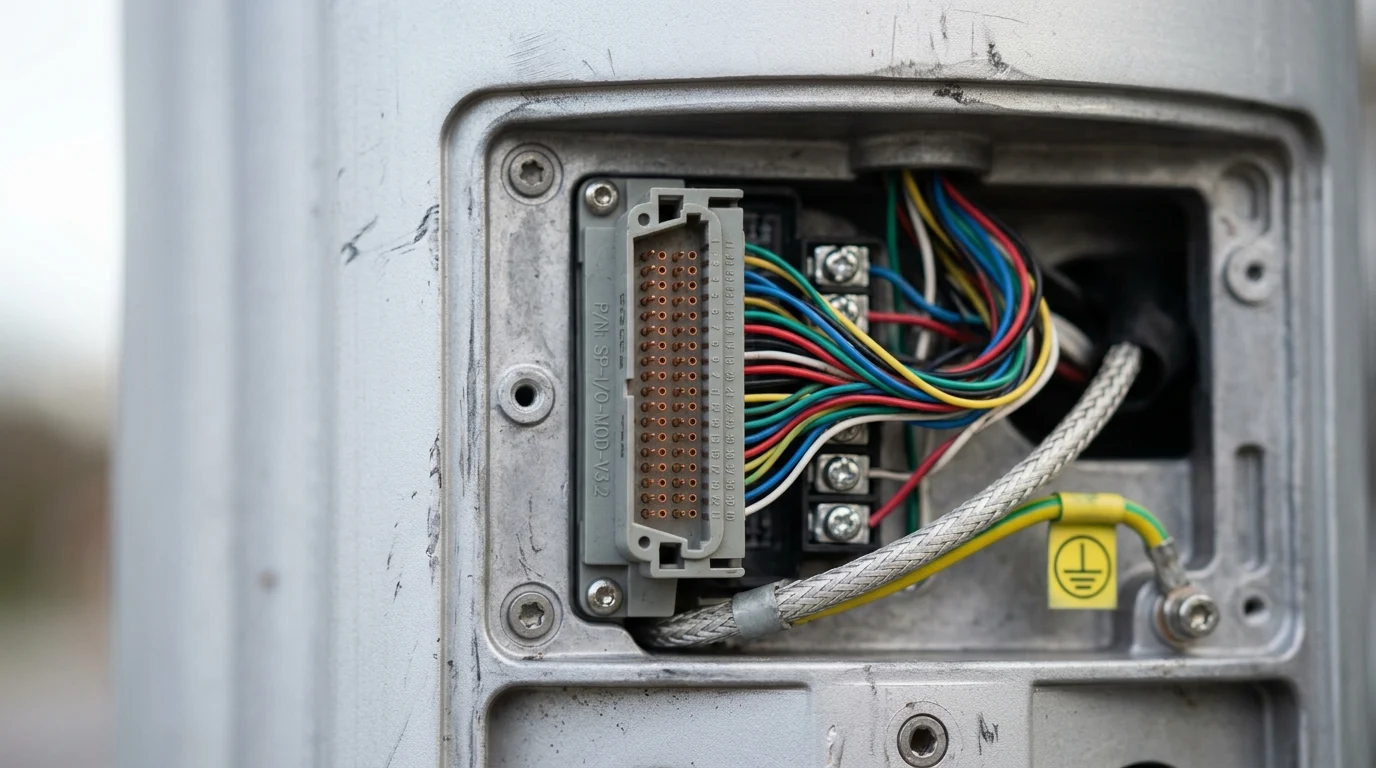
A robust smart pole multifunctional architecture requires a delicate balance between structural integrity, modularity, and internal volumetric efficiency. The architecture must accommodate complex internal wiring, separate high-voltage power from sensitive data lines, and provide secure, weather-proof enclosures for a diverse array of third-party hardware.
Which core subsystems determine performance
Performance is dictated by the seamless integration of several core subsystems. The luminaire module relies on high-efficacy LEDs and precise optics, typically governed by standardized socket interfaces. The telecommunications subsystem requires RF-transparent radomes (often constructed from specialized fiberglass or polycarbonate) to house 5G mmWave antennas without signal degradation. Additionally, power distribution subsystems must manage varying loads, from low-draw environmental sensors to high-demand Level 2 EV charging stations capable of delivering up to 22kW.
How to compare modular configurations
Evaluating modular configurations requires analyzing the scalability of the pole’s internal track and mounting systems.
| Configuration Tier | Core Subsystems | Typical Power Requirement | Ideal Deployment Zone |
|---|---|---|---|
| Base | LED, Standard Controller, PA Speaker | 110-240V, <5A | Residential, Parks |
| Mid-Tier | Base + Wi-Fi, CCTV, Env. Sensors | 110-240V, 10-15A | Commercial Streets, Campuses |
| High-Tier | Mid-Tier + 5G Small Cell, 22kW EV Charger | 3-Phase 400V, >60A | High-Density Urban Cores, Transit Hubs |
Selecting the appropriate tier ensures that infrastructure investments align with the specific demographic and technological demands of the deployment zone.
What trade-offs matter most in architecture choices
The most critical trade-offs in architecture choices revolve around aesthetics, thermal management, and payload capacity. Accommodating 5G radios and edge computing nodes introduces significant thermal loads, often exceeding 200W of heat dissipation requirements within a confined space. Engineers must decide whether to use passive cooling via extruded aluminum fins—which can compromise the sleek, cylindrical aesthetic desired by city planners—or implement active cooling mechanisms that increase maintenance complexity and introduce potential points of failure.
Which Engineering, Compliance, and Cybersecurity Requirements Apply
Deploying smart pole multifunctional assets requires navigating a complex matrix of engineering tolerances, regulatory compliance, and digital security protocols. Because these structures house critical infrastructure and operate in public spaces, strict adherence to international standards is non-negotiable.
How structural, wind, and corrosion requirements affect design
Structural engineering for multifunctional poles differs vastly from standard lighting columns due to the increased Effective Projected Area (EPA) and equipment weight at elevated heights. Designs must satisfy stringent wind load ratings, frequently requiring certification to withstand wind speeds of 150 mph (240 km/h) or higher. Furthermore, materials must resist urban pollution and coastal salinity; consequently, specifications typically mandate hot-dip galvanized steel conforming to ISO 1461 or marine-grade extruded aluminum with specialized powder coating.
Which permitting, telecom, roadway, and privacy rules apply
Regulatory compliance spans multiple jurisdictions. Telecommunications equipment must adhere to FCC or CE regulations regarding radio frequency (RF) emissions and human exposure limits. Municipal zoning laws often impose strict height restrictions, frequently capping structures at 10 to 12 meters in historic or densely populated urban zones. Additionally, the integration of high-definition CCTV and audio surveillance necessitates strict adherence to privacy frameworks like GDPR or CCPA, requiring edge-based data masking or blurring before video streams are transmitted to centralized servers.
How cybersecurity and remote device management should be handled
The convergence of operational technology (OT) and information technology (IT) within a single asset dramatically expands the attack surface. Cybersecurity must be addressed through a zero-trust architecture, ensuring that unauthorized physical access to a peripheral port does not compromise the broader municipal network. Remote device management platforms must utilize TLS 1.3 encryption for all data in transit and support over-the-air (OTA) firmware updates to rapidly patch vulnerabilities. Enterprise-grade management systems typically guarantee 99.99% uptime SLAs to ensure continuous operation of critical public safety functions.
How to Evaluate Cost, Deployment, and Supplier Selection
The financial viability of a smart pole network depends on comprehensive lifecycle cost analysis and rigorous supplier vetting. Procurement teams must look beyond initial hardware costs to understand the logistical and operational realities of deployment.
Which factors shape total cost of ownership
The Total Cost of Ownership (TCO) is shaped by hardware capital expenditures (CAPEX), installation complexities, and ongoing operational expenditures (OPEX) such as energy consumption and fiber backhaul leasing.
| Cost Component | Percentage of TCO (Estimated) | Key Cost Drivers |
|---|---|---|
| Hardware (CAPEX) | 35% – 45% | Sensor payload, 5G radomes, EV charging modules |
| Civil Works & Installation | 25% – 35% | Foundation pouring, grid upgrades, trenching |
| Connectivity & Software | 10% – 15% | Fiber leasing, SaaS management platform licenses |
| Maintenance & Energy (OPEX) | 15% – 20% | Component replacement, electricity rates |
Depending on the inclusion of high-value modules like EV charging or telecom enclosures, the initial CAPEX can range from $5,000 to over $15,000 per pole, making accurate TCO modeling essential.
What deployment and procurement steps reduce risk
Risk reduction during deployment relies on phased rollouts and exhaustive site surveys. Upgrading a location to support a high-tier smart pole multifunctional unit often requires significant civil engineering, such as upgrading legacy 110V/220V 15A electrical lines to 3-phase 400V 63A connections to support fast EV charging. Procurement strategies should mandate pilot programs (e.g., 10 to 20 units) to validate interoperability and thermal performance in real-world environmental conditions before committing to city-wide scale.
How to compare suppliers and manufacturing quality
Comparing suppliers requires evaluating manufacturing maturity and quality assurance processes. Decision-makers should prioritize vendors holding ISO 9001 (Quality) and ISO 14001 (Environmental) certifications. Commercial terms are equally critical; buyers must assess the Minimum Order Quantity (MOQ), which often ranges from 50 to 100 units for custom aluminum extrusion profiles. Furthermore, warranty structures must align with municipal planning horizons, typically demanding 10 to 15 years for the structural mast and at least 5 years for integrated electronic components.
Key Takeaways
- The most important conclusions and rationale for smart pole multifunctional
- Specs, compliance, and risk checks worth validating before you commit
- Practical next steps and caveats readers can apply immediately
Frequently Asked Questions
What functions can a smart pole multifunctional design combine?
Typical modules include LED lighting, CCTV, Wi-Fi, environmental sensors, PA speakers, 5G small cells, and sometimes EV charging, depending on site power and pole capacity.
How do I choose the right smart pole configuration for my project?
Match the pole tier to your site: base for parks, mid-tier for campuses and streets, and high-tier for dense urban zones needing 5G or EV charging.
What engineering factors matter most for smart multifunctional poles?
Focus on wind load, payload, internal cable space, thermal management, corrosion resistance, and safe separation of power and data systems.
Can Morelux provide customized smart pole solutions for infrastructure projects?
Yes. Morelux supports custom steel or aluminum smart poles with technical drawings, engineer assistance, manufacturing, coating, and project-based specifications.
How fast can Morelux respond to smart pole sourcing inquiries?
Morelux emphasizes fast B2B support and can typically provide a quote within 24 hours after receiving key project requirements and configuration details.