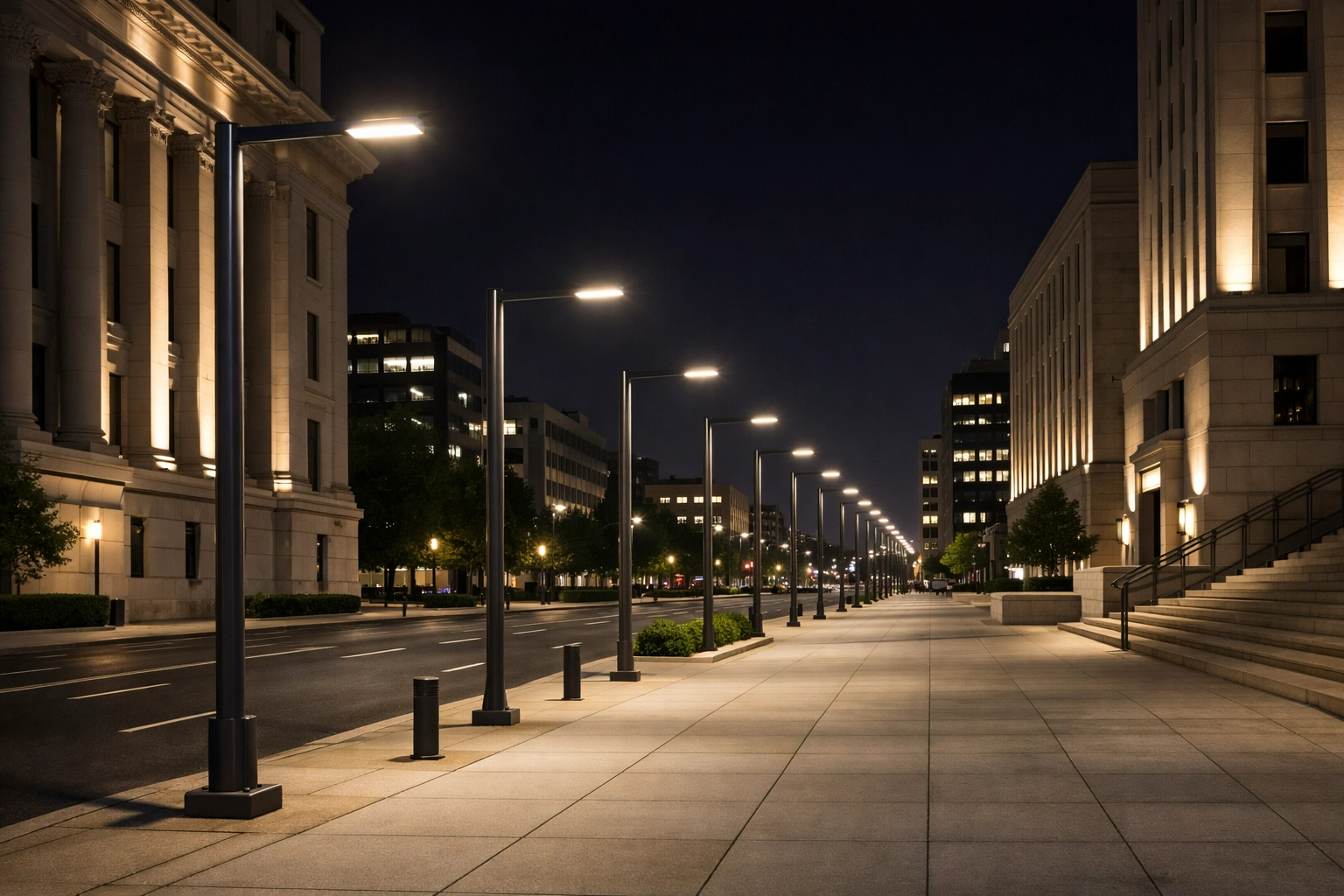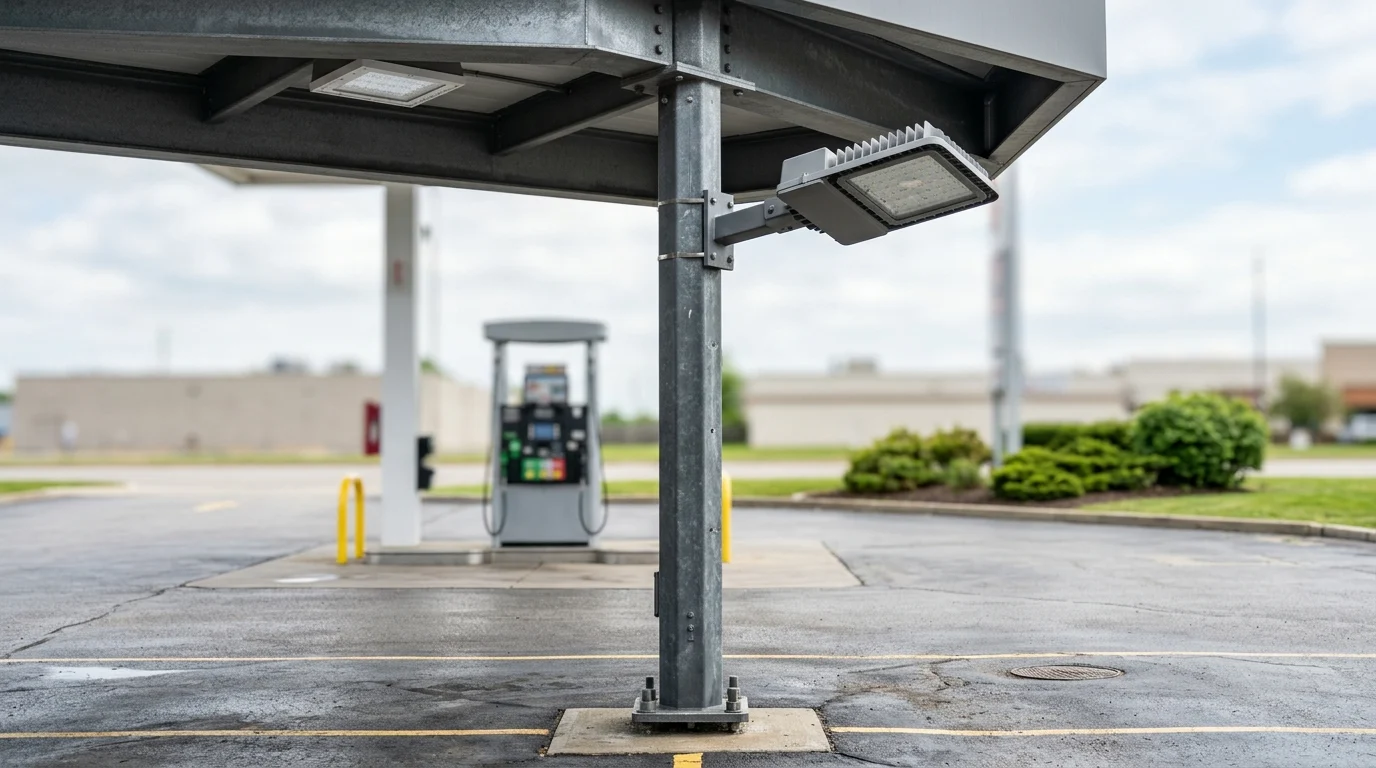
Introduction
Demand for gas station canopy light poles is rising as fuel retailers in nine newer markets modernize forecourts, replace older lighting systems, and add EV charging, surveillance, and digital signage. These poles are no longer simple supports; they must meet stricter structural, lighting, and environmental requirements while fitting local construction standards and procurement realities. This article explains what is driving market growth, which technical specifications matter most, and how regional conditions affect material, design, and compliance choices. By the end, readers will have a clearer framework for evaluating canopy light pole opportunities across expanding fuel retail markets.
Why the Gas Station Canopy Light Pole Market Is Growing
The global expansion of modern fuel retail infrastructure is rapidly accelerating, particularly across nine emerging regional markets. Expanding into these new territories requires a standardized yet highly adaptable approach to structural procurement. As petroleum retailers and independent distributors upgrade legacy facilities, the demand for specialized structural components has surged. The gas station canopy light pole represents a critical infrastructure element, tasked with supporting high-lumen LED arrays, security surveillance systems, and increasingly, solar canopy integrations.
Key demand drivers
Capitalizing on this growth requires understanding the primary catalysts driving procurement. Fuel retailers are transitioning from traditional low-intensity discharge lighting to high-efficiency LED fixtures. This shift demands poles with precise vibration dampening and structural integrity to support multiple luminaire heads weighing between 50 to 80 lbs each. Furthermore, the integration of electric vehicle (EV) charging stations beneath extended canopies necessitates heavier gauge steel. Upgrading from standard 11-gauge commercial poles to heavy-duty 7-gauge steel structures allows for the additional load of integrated digital signage and heavier luminaire brackets. Industry data indicates a projected 6.5% compound annual growth rate (CAGR) in specialized retail fueling structures over the next five years, driven entirely by these modernization mandates.
Market entry considerations
Expanding into these nine distinct geographical markets introduces complex environmental variables. Procurement teams must evaluate local wind load ratings based on regional meteorological data. Coastal markets, frequently subjected to cyclonic events, mandate poles rated for 140 mph to 160 mph Effective Projected Area (EPA) wind zones. Conversely, inland developments typically standardize around 90 mph to 110 mph EPA ratings. Failing to specify the correct wind load tolerance can result in catastrophic structural failure, voided warranties, and severe liability during extreme weather events. Consequently, market entry strategies must prioritize localized structural engineering analyses before finalizing any high-volume hardware procurement.
Technical, Compliance, and Cost Factors
Selecting the appropriate gas station canopy light pole involves navigating a matrix of metallurgical specifications, regulatory compliance mandates, and volatile material pricing. Standard commercial lighting poles often lack the chemical resistance necessary to withstand the petrochemical vapors and heavy vehicular exhaust typical of a high-volume fuel forecourt. Investing in higher-grade materials initially yields a significantly stronger return on investment compared to value-engineered alternatives that risk severe oxidation within three to five years.
Product comparison criteria
Engineering specifications must dictate the material selection process. Base plate thickness, typically ranging from 0.75 to 1.0 inches, and standard 10.5-inch to 11.5-inch anchor bolt circles are critical dimensions for ensuring stability under maximum EPA loads.
| Material Type | Typical Lifespan | Average Cost per Unit | Corrosion Resistance |
|---|---|---|---|
| Carbon Steel (Standard) | 10-15 Years | $450 – $650 | Moderate (Requires Coating) |
| Galvanized Steel | 20-25 Years | $650 – $850 | High |
| Aluminum (Marine Grade) | 25+ Years | $900 – $1,250 | Maximum |
Galvanized steel remains the industry standard for high-traffic forecourts due to its optimal balance of high tensile strength and long-term resistance to environmental degradation.
Cost and compliance checkpoints
Regulatory compliance directly impacts project viability and insurance premiums. Structural designs must adhere to the American Association of State Highway and Transportation Officials (AASHTO) LTS-6 specifications for structural supports. Electrically, any integrated luminaire systems must meet UL 1598 standards for wet locations. From a financial perspective, buyers must navigate specific cost bands. While a standard 20-foot square carbon steel pole may cost between $450 and $650 per unit, specifying highly customized powder coatings or marine-grade aluminum for coastal environments can push per-unit costs past $1,200. Balancing these capital expenditures against the anticipated lifecycle of the canopy infrastructure is essential for maintaining project profitability.
Sourcing for Contractors, Distributors, and Fuel Retailers
Executing a successful multi-site rollout across these nine new markets requires rigorous supply chain management. Contractors, electrical distributors, and fuel retail executives must align manufacturing capabilities with aggressive construction schedules. Avoiding supply chain bottlenecks ensures that the necessary gas station canopy light pole inventory arrives on-site without delaying final facility commissioning.
Supplier selection and logistics
Navigating supplier relationships requires a thorough understanding of manufacturing lead times and minimum order quantities (MOQs). Tier-1 structural steel manufacturers typically enforce MOQs of 50 to 100 units when clients request custom powder coating to match proprietary corporate brand colors. Standard production lead times currently range from 6 to 12 weeks, depending on steel availability and factory utilization rates. Logistics also represent a significant variable in the total landed cost. Flatbed Less-Than-Truckload (LTL) shipping for 20-foot to 30-foot poles is highly specialized and can add 15% to 20% to the baseline unit cost, requiring strategic regional warehousing to mitigate freight expenditures.
Quality control and final decision guide
Establishing stringent quality control protocols is the final step in the procurement cycle. Procurement managers must demand manufacturer documentation proving defect rates remain strictly below the 1.5% industry threshold. Critical inspection points include verifying that all structural welds comply with the American Welding Society (AWS) D1.1 structural welding code. Furthermore, exterior finishes must be tested for durability; a factory-applied powder coat must achieve a uniform thickness of 3 to 5 mils to effectively prevent premature oxidation caused by continuous exposure to petrochemical vapors and road salts. Ultimately, standardizing pole specifications across all nine markets—while allowing for regional wind load modifications—enables bulk purchasing efficiencies, reduces long-term maintenance overhead, and ensures consistent brand presentation across the global retail network.
Key Takeaways
- The most important conclusions and rationale for gas station canopy light pole
- Specs, compliance, and risk checks worth validating before you commit
- Practical next steps and caveats readers can apply immediately
Frequently Asked Questions
What material is best for a gas station canopy light pole?
Galvanized steel is the usual best choice for fuel forecourts because it balances strength, corrosion resistance, and cost. Coastal projects may need marine-grade aluminum.
How do I choose the right wind load rating for a canopy light pole?
Match the pole to the site’s local wind zone and EPA requirements. Inland sites often use 90–110 mph ratings, while coastal markets may require 140–160 mph engineering.
What specifications should buyers confirm before ordering?
Check pole height, gauge, base plate thickness, anchor bolt circle, fixture load, finish, and wind rating. Ask for technical drawings to verify fit with your canopy and foundation.
Can Morelux provide customized gas station canopy light poles for multi-site projects?
Yes. Morelux supports custom pole dimensions, materials, finishes, and structural requirements, with fast quotes, technical drawings, and engineer support for project buyers.
How can I reduce delays when sourcing canopy light poles for new markets?
Finalize engineering data early, confirm compliance requirements, and align quantities with construction schedules. Working with a manufacturer that offers responsive communication and dependable production helps avoid rollout delays.