Introduction
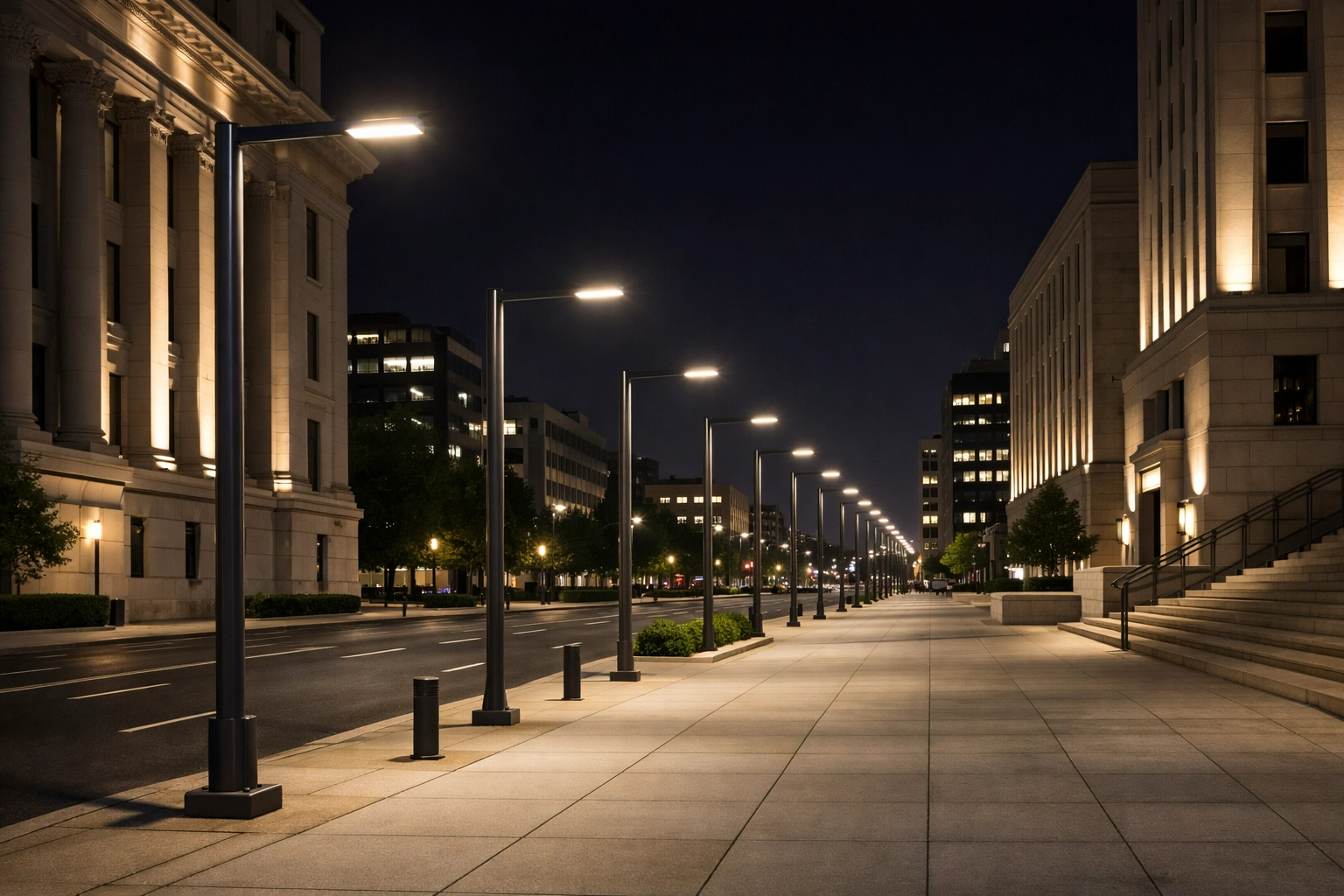
Urban lighting is moving beyond fixed schedules toward systems that respond to real conditions in each street, block, or intersection. By combining smart light poles with AI-driven on-demand allocation, cities can reduce wasted electricity, improve visibility where it matters most, and build a connected lighting network that supports wider smart city functions. This article explains how the model works, why it is more efficient than traditional timer-based control, and what municipalities and developers need to consider when defining performance requirements, data inputs, and deployment strategies.
Why Smart Light Poles Need On-Demand Urban Allocation
The integration of artificial intelligence into urban infrastructure has fundamentally transformed street lighting from a static utility into a dynamic, responsive network. Smart light poles utilizing on-demand allocation algorithms represent a critical evolution in municipal energy management, directly addressing the inefficiencies of traditional scheduled lighting.
By leveraging spatial-temporal algorithms and decentralized machine learning, modern urban grids can transition from broad-brush illumination to precise, localized light delivery. This paradigm shift optimizes energy consumption while establishing the foundational digital canopy required for broader smart city applications, such as autonomous vehicle navigation and environmental monitoring.
How should municipalities, utilities, and developers define the model?
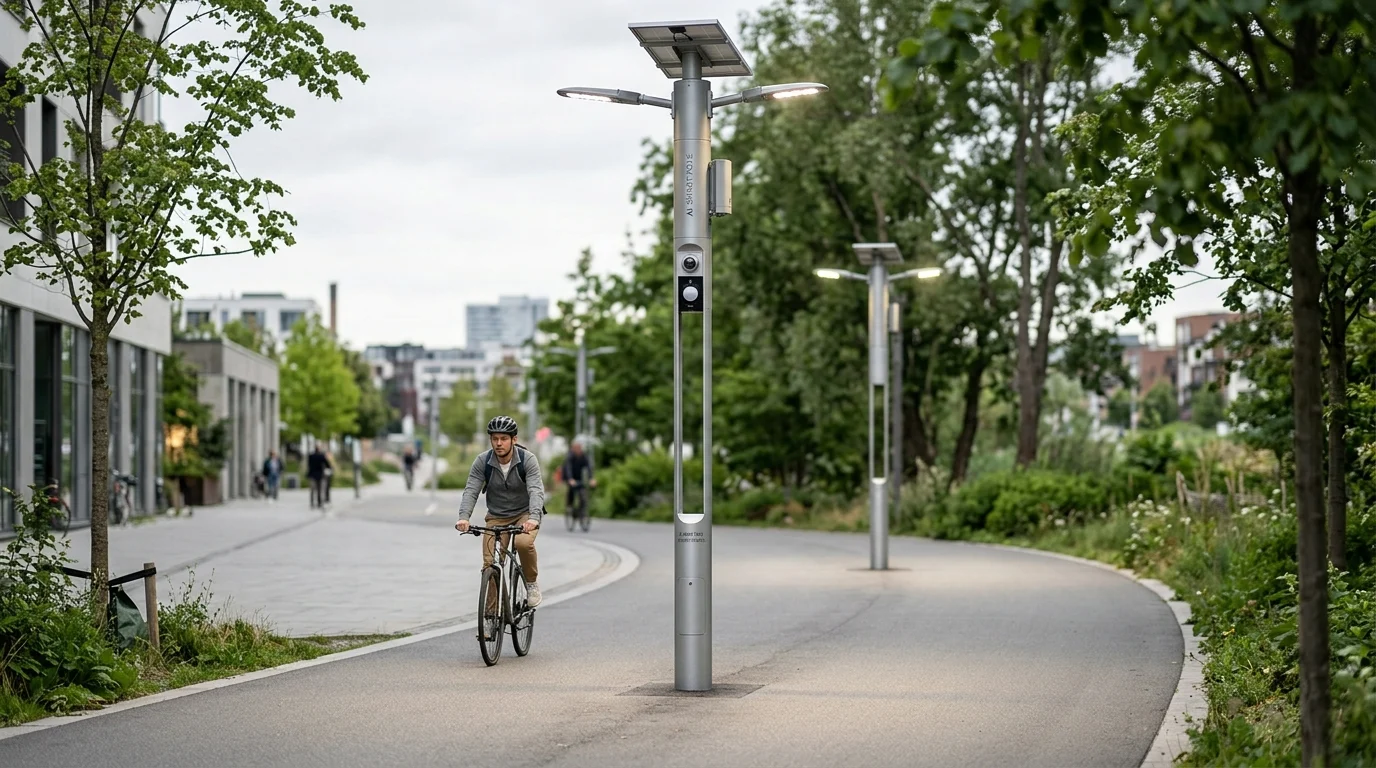
Municipalities, utilities, and urban developers must define on-demand allocation as a decentralized, edge-computed lighting model. Unlike legacy timer-based systems or static astronomical clocks, this architecture utilizes real-time environmental data to dynamically modulate illumination. The model requires a structural shift from isolated fixtures to a connected mesh network where each pole acts as an autonomous node.
Within this framework, developers define system parameters by establishing baseline lux requirements and algorithmic triggers. For example, a smart pole might maintain a 15% dim state during periods of inactivity, instantly ramping to 100% output when computer vision models detect an approaching pedestrian or vehicle. This approach moves the industry away from centralized, rigid control toward highly granular, node-level reactivity powered by predictive AI.
Which pressures make it relevant?
The transition to on-demand smart poles is accelerated by acute economic, regulatory, and environmental pressures. Urban street lighting currently consumes approximately 300 terawatt-hours (TWh) of electricity globally each year, often accounting for up to 40% of a municipality’s total energy expenditure. As grid loads increase and energy prices experience high volatility, maintaining static illumination across empty streets is no longer financially viable.
Furthermore, stringent carbon reduction mandates and growing ecological awareness regarding light pollution force utilities to adopt tighter control mechanisms. Continuous nocturnal illumination disrupts local ecosystems and contributes to urban skyglow. On-demand systems mitigate these compounding pressures by achieving verifiable energy savings of 40% to 60% compared to conventional LED deployments lacking dynamic control, directly lowering scope 2 greenhouse gas emissions.
How the System Works

The efficacy of on-demand urban lighting relies on a sophisticated orchestration of hardware sensors, edge computing, and centralized cloud analytics. By processing environmental inputs locally rather than transmitting raw data to a central server, the system minimizes reliance on continuous cloud connectivity while maximizing real-time responsiveness and ensuring data privacy.
What are the core architecture components?
The core architecture of an AI-driven smart pole comprises three primary tiers: sensory input, edge processing, and network backhaul. At the sensory level, smart poles integrate passive infrared (PIR) sensors, LiDAR, and high-dynamic-range cameras to detect motion, measure velocity, and classify objects. To prevent excessive power draw, these sensor suites typically operate within a strict 15- to 30-watt power envelope.
The edge processing tier utilizes localized microcontrollers or neural processing units (NPUs) to analyze sensor data with ultra-low latency. These edge processors execute dimming or brightening commands in under 50 milliseconds, ensuring immediate illumination ahead of moving traffic. Finally, communication protocols such as LoRaWAN, NB-IoT, or 5G transmit aggregated, anonymized telemetric data to a central management system (CMS) for macro-level analytics, fleet monitoring, and predictive maintenance.
How does it compare with fixed infrastructure?
Traditional fixed infrastructure relies on rigid programming, resulting in binary or scheduled illumination regardless of actual street conditions. Conversely, AI-powered on-demand systems dynamically adjust lux levels based on real-time occupancy, creating a ‘bubble of light’ that follows movement and dissipates when the area is clear.
| Feature | Fixed LED Infrastructure | AI-Driven On-Demand Smart Poles |
|---|---|---|
| Control Mechanism | Astronomical clock / Static schedule | Real-time edge AI / Sensor fusion |
| Energy Waste | High (illuminates empty streets) | Minimal (dims to 10-20% baseline) |
| Response Latency | N/A (Pre-programmed) | < 50 milliseconds |
| Data Generation | None (Single-purpose utility) | Traffic flow, environmental metrics |
| Maintenance Model | Reactive (Citizen reporting) | Predictive (Automated fault detection) |
This architectural divergence means that while fixed infrastructure remains a depreciating asset with a singular function, an on-demand smart pole network acts as an evolving, multi-tenant digital platform capable of adapting to changing urban traffic patterns over time.
How Cities Should Evaluate Deployment and Investment
Transitioning an entire municipal grid to an AI-driven smart pole network requires substantial capital expenditure and rigorous strategic planning. Stakeholders must approach the deployment as a phased integration, balancing immediate infrastructure upgrades with long-term software lifecycle management.
What are the key implementation steps?
The implementation process begins with a comprehensive geospatial and structural audit of existing lighting infrastructure. Engineers must assess pole structural integrity to ensure compliance with updated wind-load limits, as the addition of sensor arrays, cameras, and edge computing enclosures increases the aerodynamic drag on the luminary.
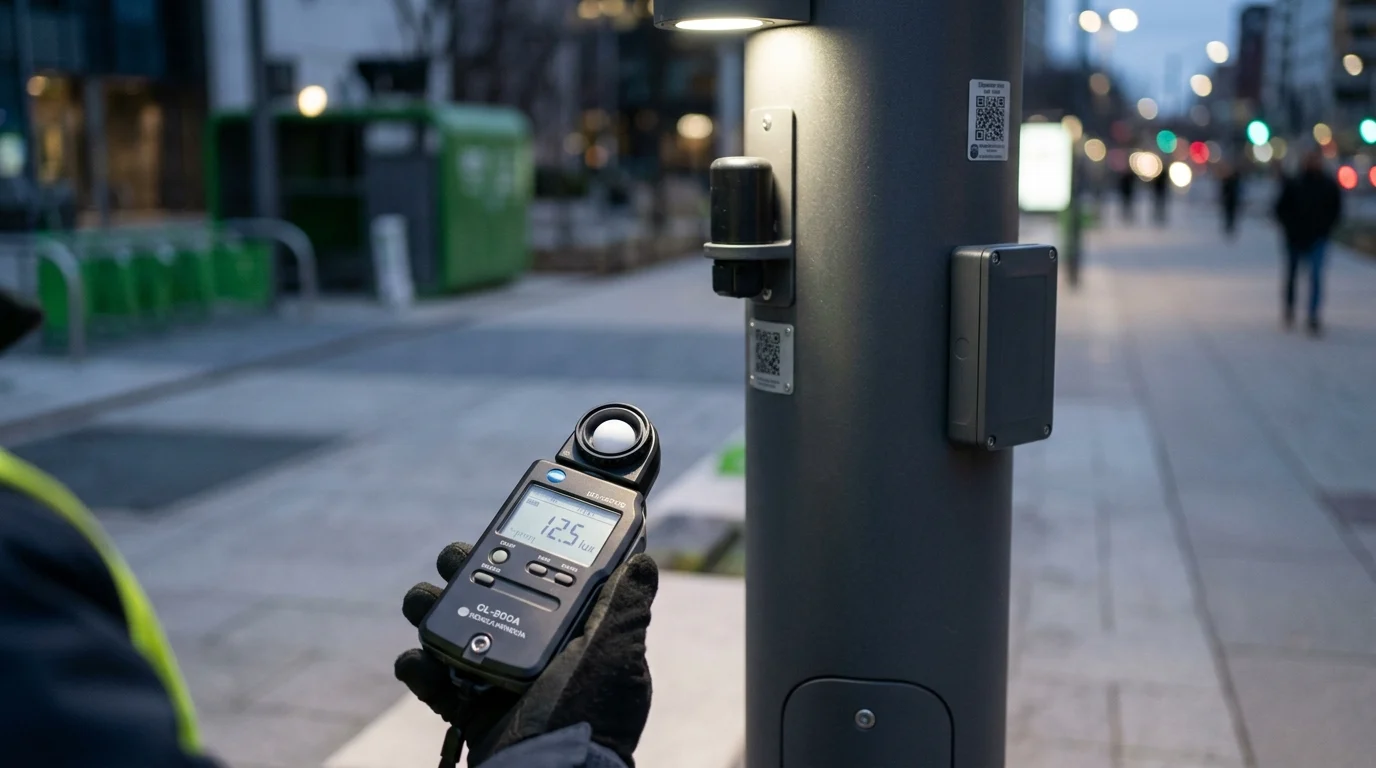
Following the audit, municipalities typically deploy a localized pilot phase—often comprising 100 to 500 nodes—in high-variance traffic zones. This pilot is critical for training the AI algorithms, calibrating sensor sensitivity to prevent false triggers from wildlife or weather, and establishing a verifiable baseline for energy consumption. Subsequent steps involve validating the network’s cybersecurity posture, ensuring API integration with existing municipal dashboards, and gradually scaling the deployment across distinct urban zones based on traffic density profiles.
What decision criteria should stakeholders use?
Stakeholders must evaluate investments using total cost of ownership (TCO) models and strict interoperability standards. While the initial capital expenditure for smart poles equipped with edge AI and sensor suites is significantly higher than standard LED retrofits, the accelerated energy savings and reduced operational expenditures typically yield a return on investment (ROI) within 4.5 to 7 years.
Furthermore, decision-makers must mandate compliance with open communication standards, such as the TALQ Consortium protocol, to prevent restrictive vendor lock-in.
Key Takeaways
- The most important conclusions and rationale for Smart Light Poles and “On-Demand Allocation” of Urban Lighting: Energy-Saving Solutions Driven by AI Algorithms
- Specs, compliance, and risk checks worth validating before you commit
- Practical next steps and caveats readers can apply immediately
Frequently Asked Questions
What is on-demand urban lighting?
It is an AI-controlled lighting model where each smart pole adjusts brightness in real time based on detected pedestrians, vehicles, or ambient conditions instead of following a fixed schedule.
How much energy can AI smart light poles save?
Projects typically target 40% to 60% energy savings compared with conventional LED systems that lack dynamic controls, especially in low-traffic streets and off-peak hours.
What components are needed in a smart light pole system?
A practical setup includes LED luminaires, motion or vision sensors, an edge controller, and network connectivity such as LoRaWAN, NB-IoT, or 5G for monitoring and control.
Can Morelux support custom smart pole projects?
Yes. Morelux provides customized steel or aluminum pole solutions, technical drawings, engineer support, and dependable manufacturing for municipal and infrastructure lighting projects.
How fast can project buyers get a quote and technical support from Morelux?
Morelux emphasizes responsive B2B service, including 24-hour quotes for many inquiries, plus engineering assistance to help confirm pole specifications and project requirements quickly.