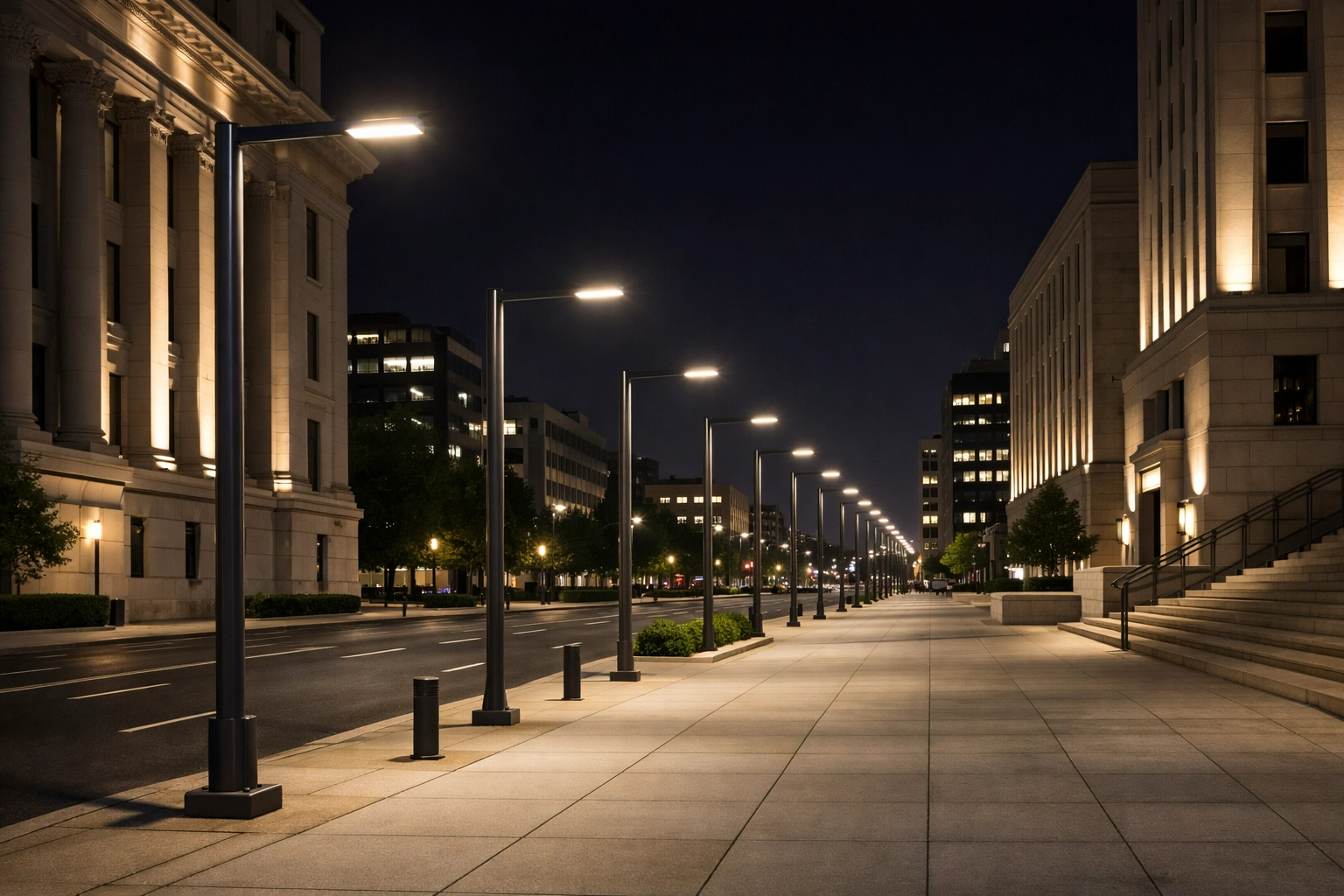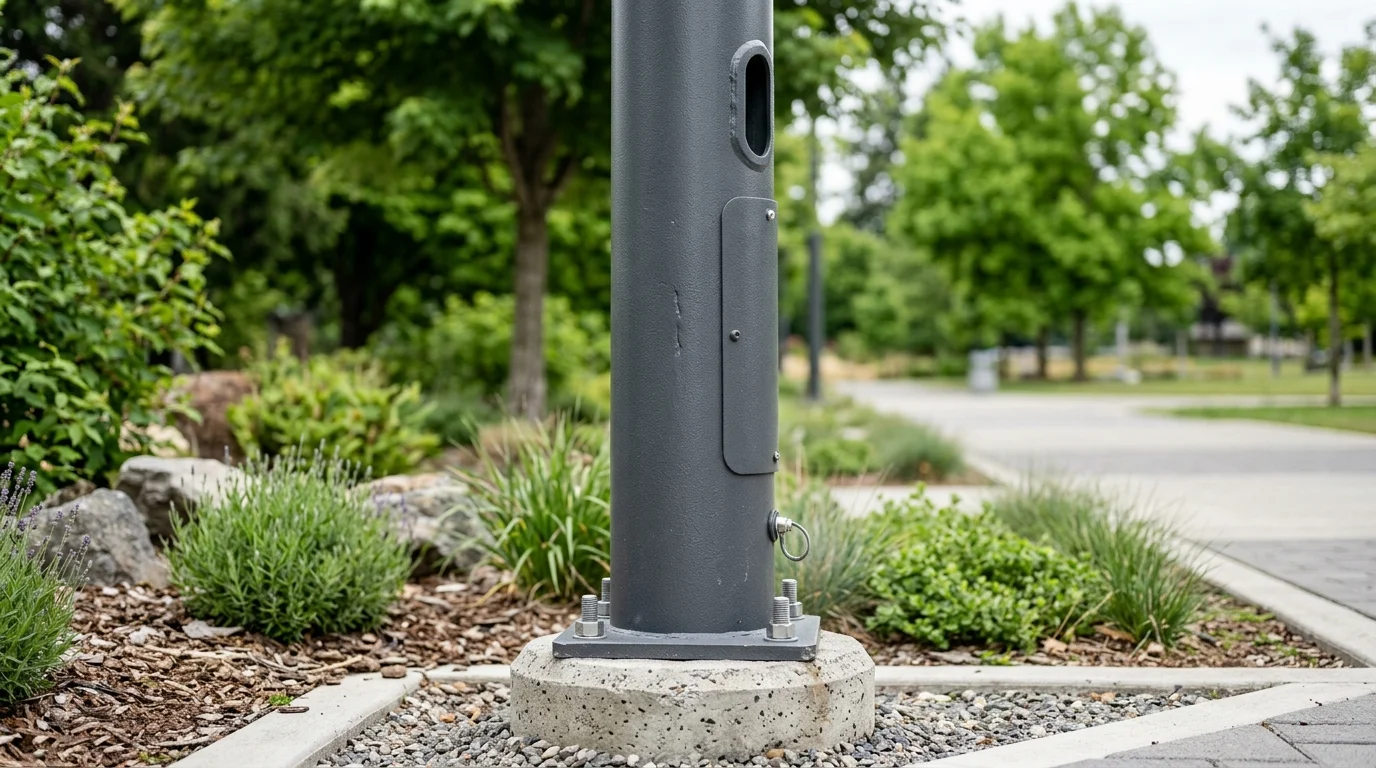
Choosing a finish for outdoor lighting poles is not just about appearance; it directly affects service life, maintenance costs, and resistance to fading, chalking, and corrosion. Different coating processes perform very differently under long-term exposure to sunlight, heat, humidity, salt, and pollution, especially on steel, aluminum, and fiberglass poles. This article compares the main UV-resistant lighting pole coating options, explains how each process protects the substrate, and highlights the tradeoffs in durability, finish quality, application limits, and lifecycle value so you can judge which method is best for your project conditions.
Why UV-Resistant Lighting Pole Coatings Matter
Lighting pole infrastructure represents a massive capital investment for municipalities, commercial developers, and transportation authorities. Ensuring these structural assets reach their projected 20 to 30-year lifespans requires robust surface protection. While structural integrity is paramount, the exterior finish dictates both the aesthetic longevity and the primary defense against environmental degradation.
A specialized UV-resistant lighting pole coating acts as the critical barrier between the structural substrate—typically carbon steel, aluminum, or fiberglass—and the harsh realities of prolonged outdoor exposure. Without advanced ultraviolet protection, exterior coatings undergo rapid chemical breakdown, leading to substrate exposure and premature structural failure.
Effects of UV, heat, humidity, salt, and pollution
Ultraviolet radiation is the primary catalyst for polymer degradation in architectural coatings. When exposed to UV-A (315–400 nm) and UV-B (280–315 nm) wavelengths, the molecular bonds within standard coating resins undergo photo-oxidation. This chemical breakdown manifests as chalking, severe color fade, and eventual delamination from the pole substrate.
When UV exposure is combined with secondary environmental stressors, the degradation curve accelerates exponentially. Sustained surface temperatures exceeding 60°C (140°F), ambient humidity levels above 70%, and airborne salt chlorides in coastal zones create a highly corrosive microclimate. Industrial particulate pollution and acid rain further etch compromised coating surfaces. In these aggressive environments, corrosion rates on exposed metal substrates can increase by over 50% once the protective polymer barrier is breached by UV-induced micro-cracking.
Why owners and specifiers require UV resistance
Asset owners and engineering specifiers mandate stringent UV resistance primarily to mitigate escalating lifecycle operational expenditures (OpEx). The financial calculus surrounding lighting infrastructure maintenance is heavily weighted toward initial factory application. Upgrading to a high-performance, UV-resistant factory coating typically adds only $50 to $150 to the initial capital cost of a standard 30-foot lighting pole.
Conversely, remediating a failed coating in the field is prohibitively expensive and logistically complex. Field recoating operations—which require specialized labor, bucket trucks, traffic control, and environmental containment—routinely cost between $500 and $1,200 per pole. By specifying advanced UV-resistant chemistries during the manufacturing phase, specifiers effectively eliminate premature maintenance cycles, ensuring the asset maintains its structural integrity and visual appeal for decades.
Main UV-Resistant Coating Processes
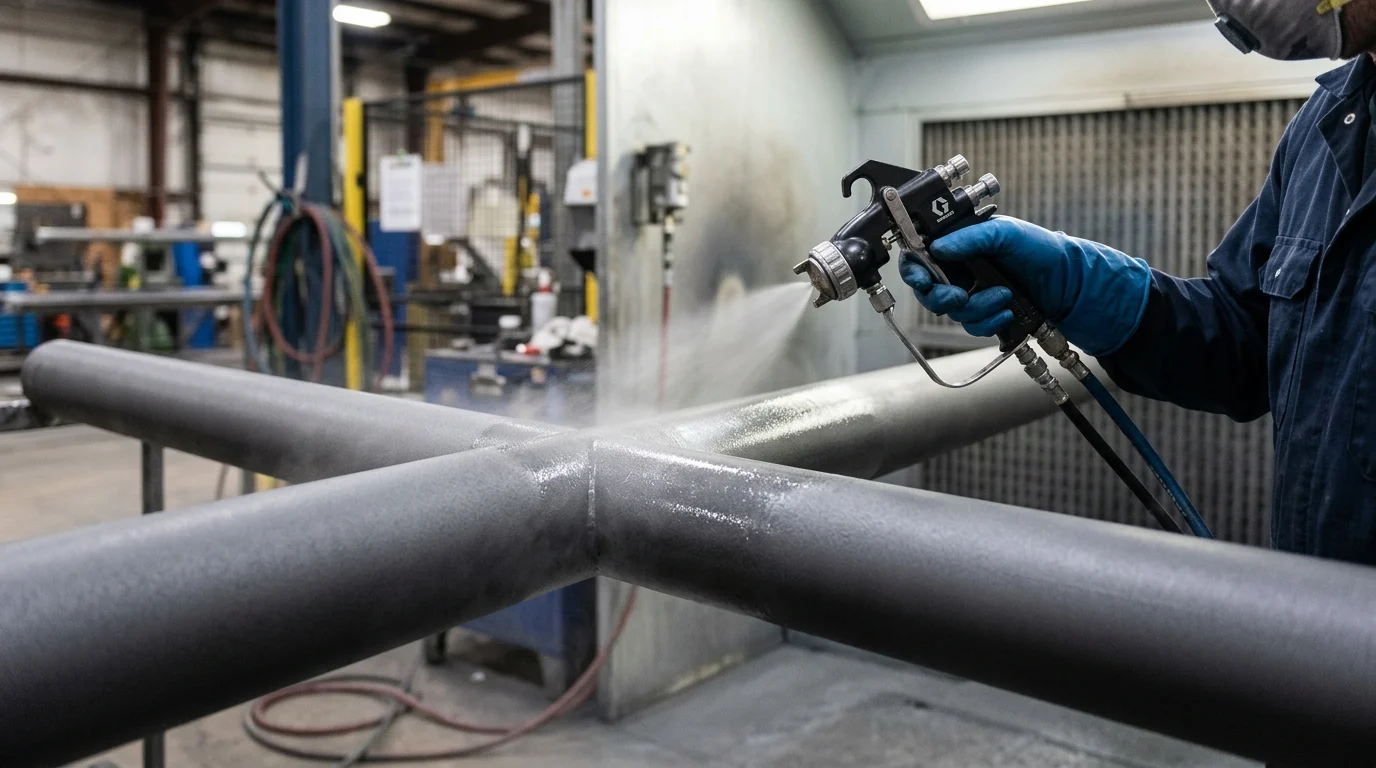
The industrial coating sector utilizes several distinct application methodologies to achieve UV resistance, with thermosetting powder coatings and high-performance liquid architectural coatings dominating the market. The selection of the primary resin chemistry dictates the fundamental weathering capabilities of the finished lighting pole.
Factory-applied finishes are universally preferred over field applications due to the highly controlled environments that permit multi-stage pretreatment, precise mil thickness application, and optimal high-temperature curing profiles.
Polyester powder vs fluoropolymer coatings
The industry standard for commercial lighting poles is Super-Durable Polyester (SDP) powder coating. SDP formulations utilize advanced polyester resins that provide excellent mechanical durability and acceptable UV resistance, typically maintaining gloss and color stability for 5 to 10 years before noticeable chalking occurs. They are highly cost-effective and environmentally friendly, containing zero volatile organic compounds (VOCs).
For premium infrastructure projects, fluoropolymer coatings—specifically Polyvinylidene Fluoride (PVDF) and Fluoroethylene Vinyl Ether (FEVE)—are specified. PVDF liquid coatings, which must contain a minimum of 70% fluoropolymer resin by weight to meet top-tier architectural specifications, offer unparalleled UV resistance. The carbon-fluorine bond in these coatings is one of the strongest in organic chemistry, rendering the finish virtually immune to photo-oxidation. Fluoropolymers routinely demonstrate 15 to 20+ years of exceptional gloss retention and color fade resistance, though they command a significant price premium over SDP.
Process steps that affect coating performance
Regardless of the resin chemistry selected, the application process relies heavily on meticulous substrate preparation. Mechanical abrasion, typically abrasive blasting to an SSPC-SP 10 (Near-White Metal) standard, creates a surface profile of 1.5 to 2.5 mils, ensuring optimal mechanical adhesion.
Following mechanical preparation, chemical pretreatments such as zinc phosphate or advanced zirconium conversions are applied. A zinc-rich epoxy primer is frequently utilized as a base layer, applied at 2.0 to 3.0 mils dry film thickness (DFT), to provide galvanic corrosion protection. The topcoat is then applied and baked. Powder coatings require precise curing oven temperatures—often sustained at 200°C (392°F) for 10 to 15 minutes—to achieve full cross-linking of the polymer chains, which is essential for maximizing UV deflection and barrier properties.
How to compare coating options
Comparing coating options requires evaluating the intersection of initial cost, expected lifespan, and specific performance metrics. Specifiers must weigh the robust physical hardness of polyester powders against the superior chemical and UV resistance of fluoropolymers.
| Coating Chemistry | Typical Lifespan (UV Stability) | Relative Cost Multiplier | Scratch Resistance | Best Application |
|---|---|---|---|---|
| Standard Polyester | 3 – 5 Years | 1.0x | Excellent | Temporary/Low-budget poles |
| Super-Durable Polyester (SDP) | 5 – 10 Years | 1.3x – 1.5x | Excellent | Standard commercial / Retail |
| FEVE (Fluoropolymer Powder) | 15 – 20 Years | 2.5x – 3.0x | Very Good | High-end architectural / Urban |
| PVDF (70% Liquid Resin) | 20+ Years | 3.0x – 4.0x | Moderate | Monumental projects / Coastal |
When comparing these systems, buyers should also consider the geometry of the lighting pole. Powder coatings provide superior edge coverage on complex fluted poles or decorative bases, whereas liquid PVDF systems excel on smooth, continuous tubular extrusions where uniform flow and leveling are easily achieved.
Technical Specifications and Test Standards
To ensure a UV-resistant lighting pole coating will perform as advertised, the industry relies on rigorous, standardized laboratory testing. These specifications remove subjective marketing claims from the procurement process, providing specifiers with quantifiable metrics regarding weathering, corrosion resistance, and color stability.
Properly written specifications demand compliance with recognized international standards, dictating exact thresholds for degradation over simulated decades of exposure.
Key coating properties to verify
The primary properties verified during accelerated weathering tests are gloss retention, color fade, and chalking resistance. Gloss retention is measured as a percentage of the original finish; high-performance coatings are typically required to retain at least 50% of their initial gloss after a specified testing period.
Color fade is quantified using the Delta E (ΔE) scale, which measures the mathematical distance between two colors in a three-dimensional color space. A ΔE of less than 5.0 is generally considered the threshold for acceptable commercial color shift, meaning the fade is barely perceptible to the naked eye. Chalking, the appearance of a white powdery residue caused by resin degradation, is evaluated on a scale from 1 to 10, with a rating of 8 or higher required for premium UV-resistant approvals.
Relevant ASTM, ISO, and AAMA standards
The American Architectural Manufacturers Association (AAMA) provides the most widely recognized hierarchical standards for coating performance on architectural metals. These standards are intrinsically linked to ASTM testing protocols, notably ASTM G154 (QUV Accelerated Weathering) and ASTM B117 (Salt Spray Testing).
| AAMA Standard | Weathering Requirement (South Florida Exposure) | Allowed Color Shift (Maximum ΔE) | Required Gloss Retention | Target Application |
|---|---|---|---|---|
| AAMA 2603 | 1 Year | Unspecified | Unspecified | Interior / Mild environments |
| AAMA 2604 | 5 Years | <= 5.0 ΔE | >= 30% | Standard exterior lighting poles |
| AAMA 2605 | 10 Years | <= 5.0 ΔE | >= 50% | Premium / High-UV environments |
Beyond AAMA, ISO 12944 categorizes corrosivity environments from C1 (very low) to C5 (very high/marine). For lighting poles situated in C5 environments, the coating system must not only pass AAMA 2605 for UV resistance but also withstand up to 3,000 hours of continuous salt fog exposure (ASTM B117) with less than 2.0 millimeters of creepage from a scribed line.
How to Choose for Different Project Environments
Lighting pole infrastructure is deployed across vastly different microclimates, meaning a one-size-fits-all approach to coating specification frequently leads to either premature failure or unnecessary expenditure. Selecting the appropriate UV-resistant lighting pole coating requires matching the chemical capabilities of the finish to the specific environmental stressors of the installation site.
Buyers must analyze geographic UV indices, local atmospheric contaminants, and logistical supply chain constraints to optimize their procurement strategy.
Best options for coastal, high-UV, and urban sites
Coastal environments demand a dual-focus approach: extreme UV resistance and maximum chloride barrier protection. The optimal solution for coastal sites is a C5 marine-grade system utilizing a zinc-rich epoxy primer (for galvanic protection) paired with an FEVE powder topcoat. This combination resists both the 3,000+ hours of salt spray and the intense coastal sun.
In high-UV desert environments, where solar irradiance regularly exceeds 2,000 kWh/m²/year, thermal cycling and photo-oxidation are the primary threats. Here, 70% PVDF liquid coatings are the gold standard, as their carbon-fluorine bonds will not break down under relentless solar bombardment. For dense urban sites, specifiers must account for vehicular exhaust, acid rain, and vandalism. Polyurethane topcoats or highly cross-linked Super-Durable Polyesters are often chosen for urban poles because they offer excellent chemical resistance to smog and provide a harder surface that is easier to clean if tagged with graffiti.
Sourcing factors such as batch size and color
Beyond environmental performance, logistical and sourcing factors heavily influence coating selection. Minimum Order Quantities (MOQs) vary drastically between coating types. Standard SDP powders in common colors (e.g., dark bronze, black) are readily available with MOQs as low as 25 kg, making them ideal for small municipal replacements.
Conversely, custom color matching for premium PVDF or FEVE systems often requires batch sizes of 250 to 500 kg, which may be economically unviable for projects requiring fewer than 50 poles. Color selection also directly impacts thermal performance. Dark architectural colors absorb significantly more solar radiation, often increasing the surface temperature of the pole by 20°C to 30°C (36°F to 54°F) compared to ambient air. This elevated heat accelerates the degradation of the underlying resin, making the choice of a high-tier UV-resistant chemistry even more critical for dark-colored infrastructure.
Practical evaluation steps for buyers
To ensure successful procurement, buyers should implement a strict evaluation protocol. First, demand certified test reports from an independent laboratory confirming that the proposed coating system meets the required AAMA 2604 or 2605 specification on the exact substrate material being purchased.
Second, audit the applicator’s credentials. The best coating chemistry will fail if applied incorrectly. Buyers should look for manufacturers certified by the Powder Coating Institute (e.g., PCI 3000 certification) or approved directly by the primary resin manufacturers (such as PPG or Sherwin-Williams). Finally, review the warranty documentation carefully. A standard industry warranty covers 1 to 3 years, but premium UV-resistant systems should carry 10 to 20-year guarantees specifically covering gloss retention, color fade (ΔE limits), and film integrity.
Selecting the Best Coating for Long-Term Performance
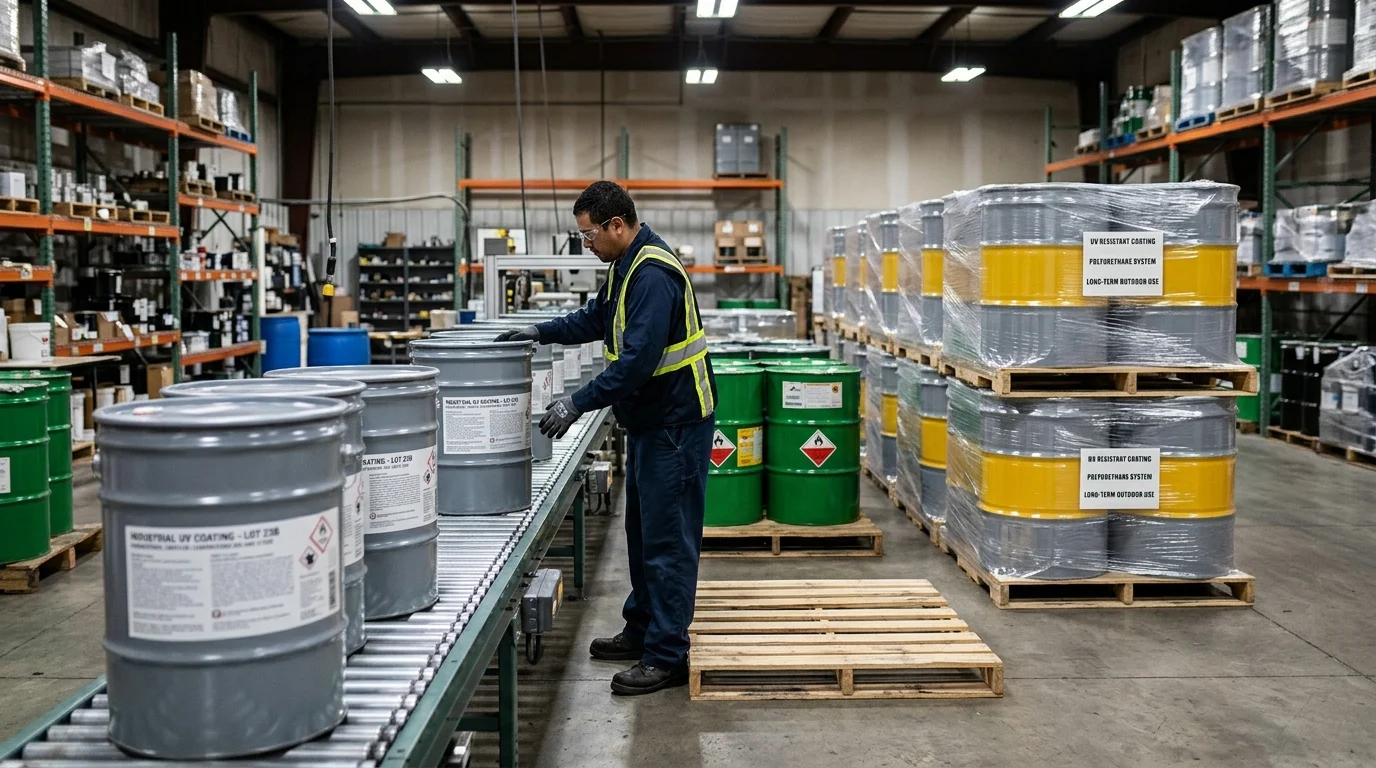
The final specification of a UV-resistant lighting pole coating is an exercise in lifecycle asset management. It requires aligning the initial capital expenditure with long-term operational goals to maximize the Net Present Value (NPV) of the infrastructure investment.
By understanding the technical parameters, environmental demands, and application variables, specifiers can confidently draft requirements that guarantee decades of flawless performance.
Aligning coating choice with service life goals
The intended service life of the project should dictate the coating tier. Standard commercial developments, retail parking lots, and residential subdivisions typically operate on 10 to 15-year renovation cycles. In these scenarios, specifying an AAMA 2604 compliant Super-Durable Polyester provides the optimal balance of cost and performance, ensuring the poles remain aesthetically pleasing until the next site overhaul.
In contrast, municipal street lighting, highway infrastructure, and monumental architectural projects are designed for 30 to 50-year service lives. For these permanent assets, specifying an AAMA 2605 compliant PVDF or FEVE system is economically imperative. While the initial coating cost may be up to 300% higher than standard polyester, amortizing that premium over a 40-year lifespan—while factoring in the complete elimination of a $1,000-per-pole mid-life recoating cycle—yields a significantly lower total cost of ownership.
Final selection guidance for specifiers
To guarantee the desired outcome, specifiers must write unambiguous contract language.
Key Takeaways
- The most important conclusions and rationale for UV resistant lighting pole coating
- Specs, compliance, and risk checks worth validating before you commit
- Practical next steps and caveats readers can apply immediately
Frequently Asked Questions
Which UV-resistant coating is best for lighting poles?
For premium outdoor durability, PVDF or FEVE is best. For cost-sensitive projects, super-durable polyester powder is a practical standard with good UV performance.
How long does a UV-resistant pole coating typically last?
Super-durable polyester often keeps appearance for 5–10 years, while fluoropolymer systems can deliver 15–20+ years, depending on sun, salt, humidity, and maintenance.
Why is factory coating better than field recoating for poles?
Factory coating allows controlled pretreatment, film thickness, and curing. This usually gives better adhesion, more consistent UV resistance, and lower lifecycle cost than field repainting.
What process details most affect UV coating performance on steel poles?
Surface preparation, pretreatment, coating thickness, and curing are critical. Near-white blasting plus proper chemical pretreatment helps the coating bond well and resist early failure.
Can Morelux support custom UV-resistant pole coating specifications?
Yes. Morelux can support project buyers with custom pole solutions, technical drawings, engineer input, and fast quotes for steel or aluminum poles with suitable coating options.