
Introduction
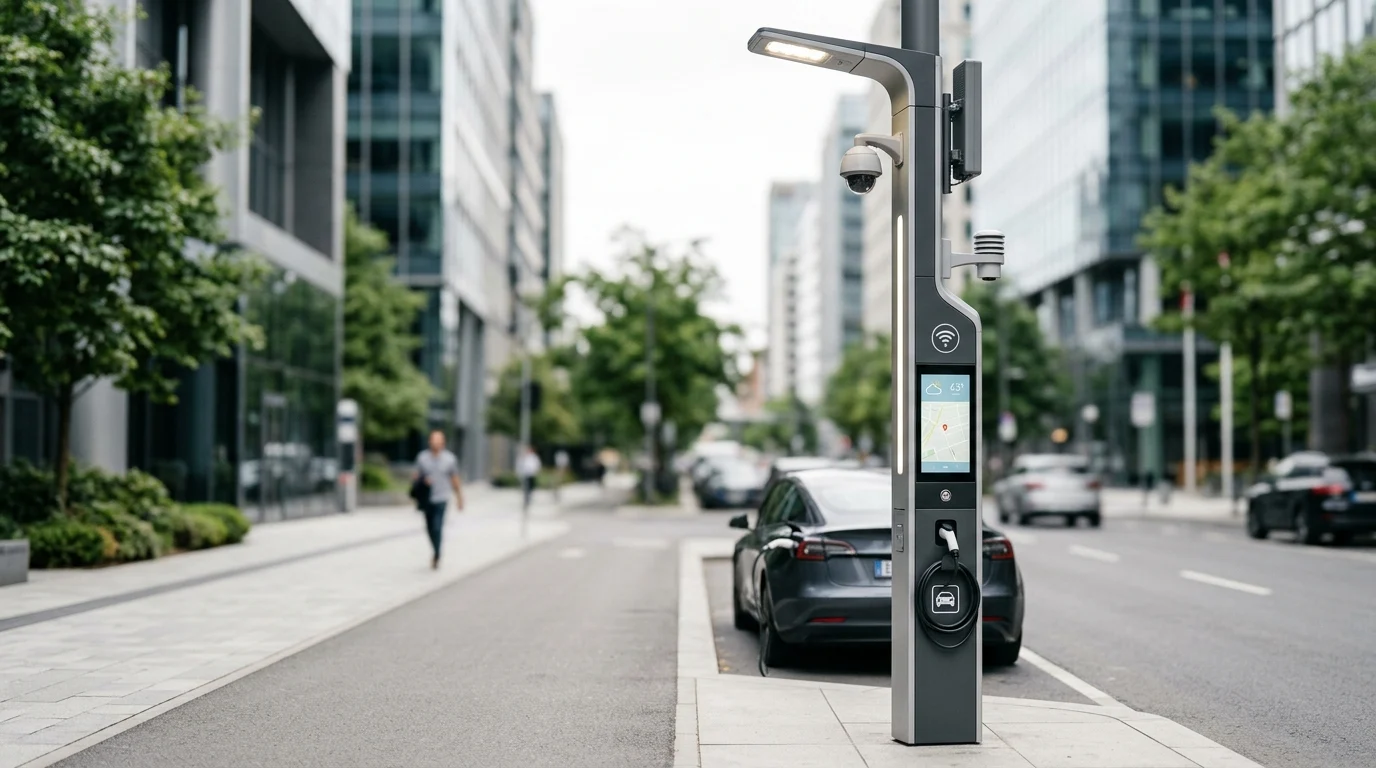
Cities are turning ordinary streetlights into shared infrastructure that supports far more than nighttime visibility. Multi-functional smart light poles combine efficient LED lighting with sensors, communications equipment, cameras, charging points, and edge devices in one compact asset, helping municipalities reduce clutter while expanding digital services. Their value becomes clearest when multiple urban needs are addressed at once, from public safety and traffic management to environmental monitoring and broadband coverage. This article outlines the key applications that make smart poles a practical part of modern urban infrastructure and shows how these deployments can improve operations, resident experience, and long-term return on investment.
Why Smart Light Poles Matter in Urban Infrastructure
Urban planners and infrastructure developers are increasingly transitioning away from single-purpose municipal lighting toward multi-functional smart light poles. This shift represents a fundamental upgrade in urban architecture, transforming passive utility assets into active digital nodes. By consolidating disparate municipal hardware into a single vertical footprint, cities can mitigate visual clutter while establishing the foundational grid required for smart city ecosystems.
How do smart light poles combine lighting, connectivity, and sensing?
Modern smart poles utilize a modular chassis architecture to integrate discrete technologies without compromising structural integrity. At the foundational level, adaptive LED luminaires deliver energy savings of 60 to 70 percent compared to legacy high-pressure sodium fixtures. Beyond illumination, these poles house environmental sensors for particulate matter tracking, acoustic sensors for gunshot detection, and advanced edge-computing modules.
Crucially, they serve as telecommunications hubs, integrating Wi-Fi 6 access points and 4G/5G small cells. Because 5G millimeter-wave frequencies suffer from high attenuation, deploying microcells at intervals of 200 to 300 meters is necessary, making evenly spaced streetlights the optimal hosting infrastructure.
Which urban use cases offer the strongest business case?
The financial viability of smart poles depends heavily on stacking multiple use cases to accelerate the return on investment (ROI). The strongest business cases emerge from public-private partnerships where municipalities lease pole real estate to telecommunications operators for network densification. Additionally, integrating Level 2 EV charging stations and high-definition digital signage creates direct revenue streams.
| Urban Use Case | Primary Revenue / Value Stream | Hardware Requirement | Typical ROI Horizon |
|---|---|---|---|
| 5G Small Cells | Telco lease agreements | High-capacity power, fiber backhaul | 3-5 Years |
| EV Charging | User charging fees | Level 2 (22kW) AC power modules | 4-7 Years |
| Digital Signage | Advertising revenue | High-nits LED displays, edge computing | 2-4 Years |
| Traffic Management | Reduced congestion costs | PTZ cameras, LiDAR, edge AI | Indirect (Municipal) |
What Technical and Compliance Factors Should Guide Selection
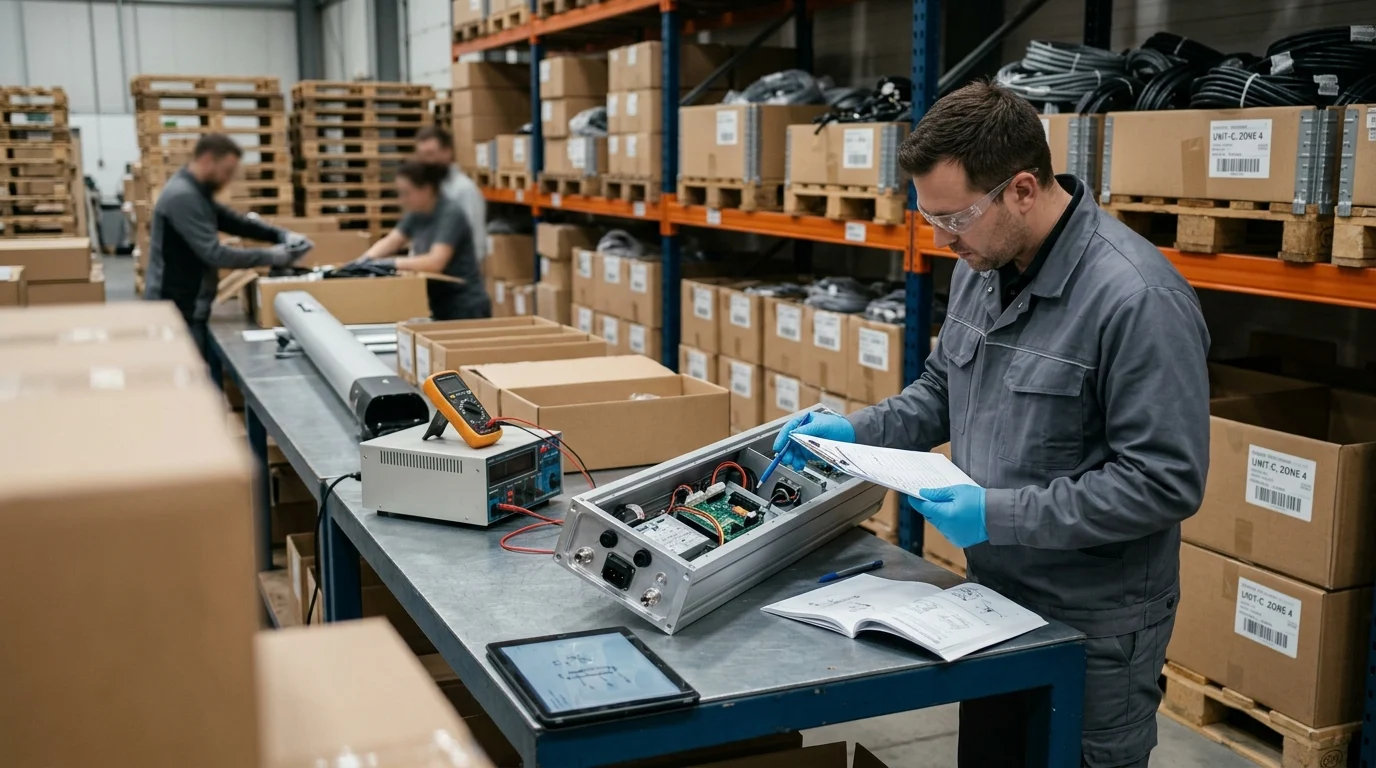
Transitioning from theoretical urban planning to physical procurement requires rigorous technical evaluation. Because smart poles must operate reliably in harsh outdoor environments while supporting sensitive electronics, procurement frameworks must prioritize strict engineering tolerances and comprehensive compliance certifications.
Which specifications matter most when evaluating smart light poles?
Specifications for multi-functional poles extend far beyond standard structural engineering. Due to the added weight and wind drag of integrated components like digital screens and telecom antennas, poles must be engineered to withstand wind loads exceeding 150 mph. Ingress protection is non-negotiable; equipment housings must meet IP66 ratings to block dust and high-pressure water, alongside IK08 or higher impact resistance ratings to survive vandalism.
Power distribution is another critical specification. A standard streetlight requires minimal wattage, but a smart pole equipped with a 22kW Level 2 EV charger, edge servers, and 5G radios necessitates dual AC/DC power loops and dedicated thermal management systems to prevent overheating and catastrophic hardware failure.
How do standards, cybersecurity, maintenance, and total cost affect decisions?
Compliance frameworks and lifecycle management fundamentally dictate total cost of ownership (TCO) over a pole’s 15 to 20-year operational lifespan. Interoperability standards, such as those established by the TALQ Consortium, ensure that central management software can interface with hardware from multiple vendors, preventing proprietary lock-in.
Furthermore, as these poles act as networked data nodes, cybersecurity compliance is critical. Systems must adhere to ISO/IEC 27001 standards to secure edge computing data and protect municipal networks from unauthorized intrusion. Maintenance protocols must also be factored into TCO; modular designs featuring plug-and-play components significantly reduce the labor costs associated with dispatching specialized bucket trucks for routine component swaps.
How Should Cities and Developers Prioritize Deployment
Executing a smart pole initiative demands a strategic, phased approach rather than a blanket municipal rollout. Developers and city officials must align complex site realities with the diverse demands of utility providers, telecommunications firms, and public stakeholders to ensure successful integration.
What steps help align site assessment and stakeholder requirements?
The initial phase of deployment requires comprehensive site assessments focusing on subterranean infrastructure. A smart pole’s functionality is entirely dependent on the availability of high-bandwidth fiber optic backhaul and robust grid capacity, typically requiring 400V 3-phase power connections for high-draw nodes.
Aligning stakeholders involves navigating right-of-way permissions, utility tariff negotiations, and privacy impact assessments regarding camera deployments. Best practices dictate executing pilot programs involving 50 to 100 nodes. These controlled deployments allow engineering teams to validate power consumption models, test network latency, and resolve inter-agency jurisdictional disputes before scaling to thousands of units.
Which criteria determine where smart light poles deliver the most value?
Determining optimal deployment zones relies on matching specific smart pole configurations to the socioeconomic and logistical realities of the targeted environment. High-density commercial districts and transit hubs represent the highest-value deployment zones. In these areas, continuous pedestrian footfall—often exceeding 5,000 individuals per day—justifies the capital expenditure for interactive kiosks and advertising displays.
Conversely, in suburban or residential zones, the value proposition shifts away from monetization and toward public utility, prioritizing environmental monitoring, adaptive lighting, and security enhancements. By mapping cellular dead zones, traffic bottlenecks, and EV charging deficits, urban planners can strategically position multi-functional poles where they resolve the most acute infrastructure gaps.
Key Takeaways
- The most important conclusions and rationale for Multi-Functional Smart Light Poles
- Specs, compliance, and risk checks worth validating before you commit
- Practical next steps and caveats readers can apply immediately
Frequently Asked Questions
What are the main applications of multi-functional smart light poles?
They commonly support LED lighting, 4G/5G small cells, Wi-Fi, cameras, environmental sensors, EV charging, and digital signage in one pole footprint.
Which specifications should buyers check first for smart light poles?
Focus on wind-load capacity, IP66 protection, IK08+ impact rating, power distribution, thermal management, and room for telecom or sensor modules.
How do smart light poles improve project ROI?
ROI improves when one pole combines lighting savings with revenue sources like telco leasing, EV charging, or digital advertising.
Can Morelux customize smart poles for different urban projects?
Yes. Morelux supports custom aluminum and steel smart poles with technical drawings, engineer support, and manufacturing tailored to city, school, and commercial infrastructure needs.
How can procurement teams speed up smart pole sourcing?
Prepare load requirements, mounted devices, site conditions, and compliance needs early. Morelux can provide fast quotes within 24 hours for qualified project inquiries.