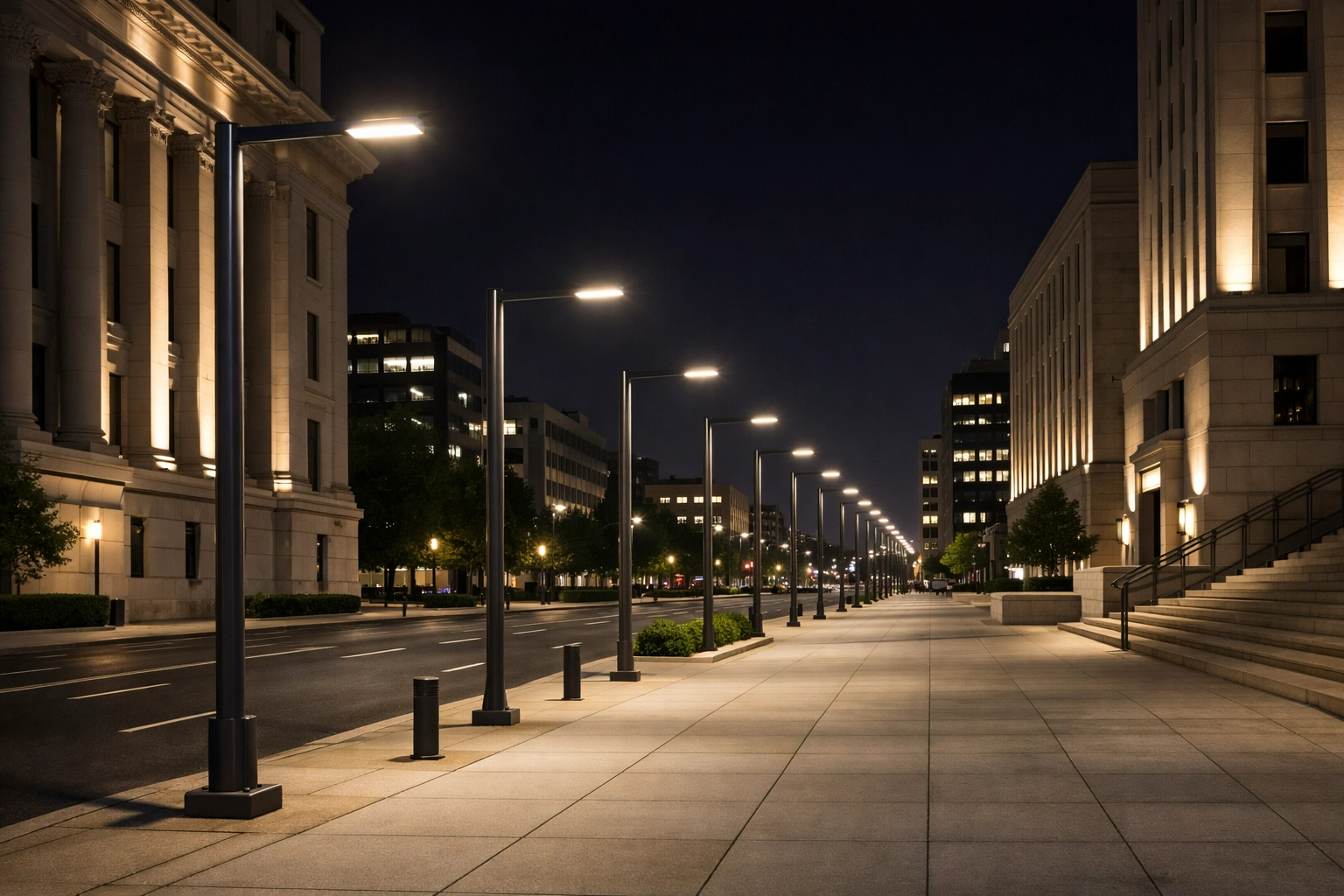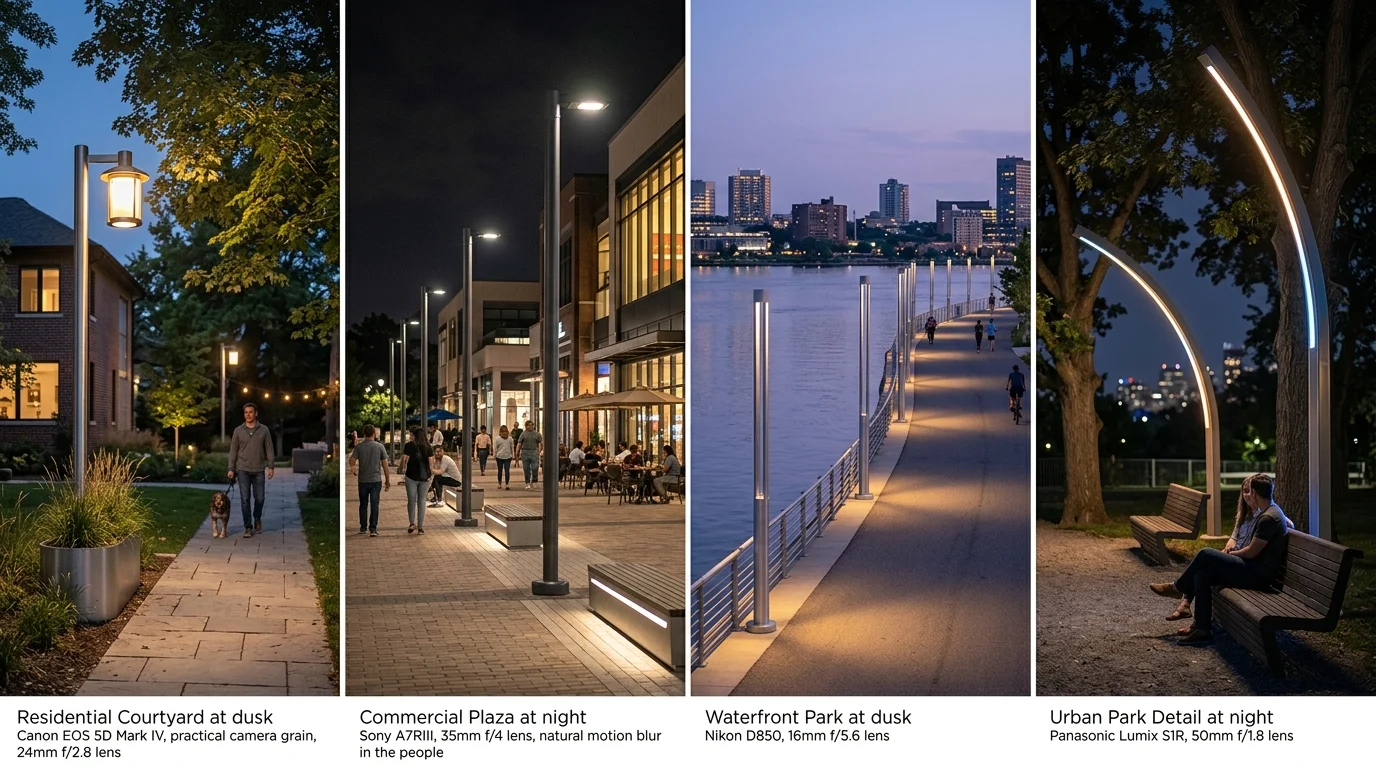
Well-chosen lighting poles do more than hold fixtures in place; they shape sightlines, scale, and atmosphere across outdoor spaces. In residential courtyards, commercial plazas, and waterfront settings, aluminum poles stand out for combining slim architectural profiles with durability, corrosion resistance, and flexible finishes that suit different design languages. Their form, height, and surface treatment can help organize circulation, reinforce identity, and improve nighttime comfort without adding visual heaviness. This article explores how aluminum poles contribute to the quality of nightscapes, what makes them especially effective in demanding outdoor environments, and how designers can use them to create lighting schemes that feel both functional and refined.
How aluminum poles elevate outdoor lighting design
Outdoor lighting design relies heavily on structural elements that seamlessly merge architectural intent with environmental resilience. In residential courtyards, commercial plazas, and waterfront spaces, lighting poles dictate the visual rhythm of the landscape long before the luminaires are energized. Extruded aluminum has become the preferred material for these applications, balancing aesthetic versatility with robust structural integrity. By utilizing standard structural alloys like 6063-T6, which offers a minimum yield strength of 25,000 psi and an ultimate tensile strength of 30,000 psi, designers can achieve slender, elegant profiles without compromising load-bearing capabilities. This material choice enables landscape architects to treat the pole not merely as a utilitarian support but as a defining feature of the nighttime environment.
Why aluminum poles matter in lighting aesthetics
The visual impact of a lighting installation is heavily influenced by the geometry and finish of its supporting structures. Extruded aluminum allows for complex cross-sections, enabling designers to specify fluted, octagonal, or custom-contoured profiles that are difficult or cost-prohibitive to achieve with standard carbon steel. This manufacturing flexibility ensures that the pole acts as a deliberate architectural extension, matching the design language of surrounding modern or classical facades. Furthermore, the precise manufacturing tolerances of aluminum extrusion facilitate flush-mounted access doors, seamless base covers, and internally concealed hardware. By eliminating external welds and bulky fasteners, designers can drastically reduce visual clutter—a critical requirement for highly curated commercial plazas and intimate residential environments where pedestrians view the structures up close.
Key material and finish considerations
Surface finishing is critical for both appearance and longevity, particularly in challenging environments like waterfront promenades where salt spray accelerates degradation. Aluminum naturally forms a protective oxide layer, but architectural applications require advanced engineered coatings. Specifying AAMA 2604- or AAMA 2605-compliant powder coatings ensures superior UV resistance, gloss retention, and color stability over decades. For marine environments, a specialized coating thickness of 2.0 to 4.0 mils, combined with an aggressive pre-treatment process, can successfully withstand over 4,000 hours of continuous salt spray testing. Alternatively, electrolytic anodizing provides a metallic finish integrated directly into the substrate. Specifying an Architectural Class I anodic coating, which requires a minimum thickness of 0.7 mils or 18 microns, offers unparalleled scratch resistance while highlighting the material’s natural metallic texture, ensuring the pole maintains its premium appearance against heavy pedestrian traffic.
Design and performance criteria for aluminum lighting poles
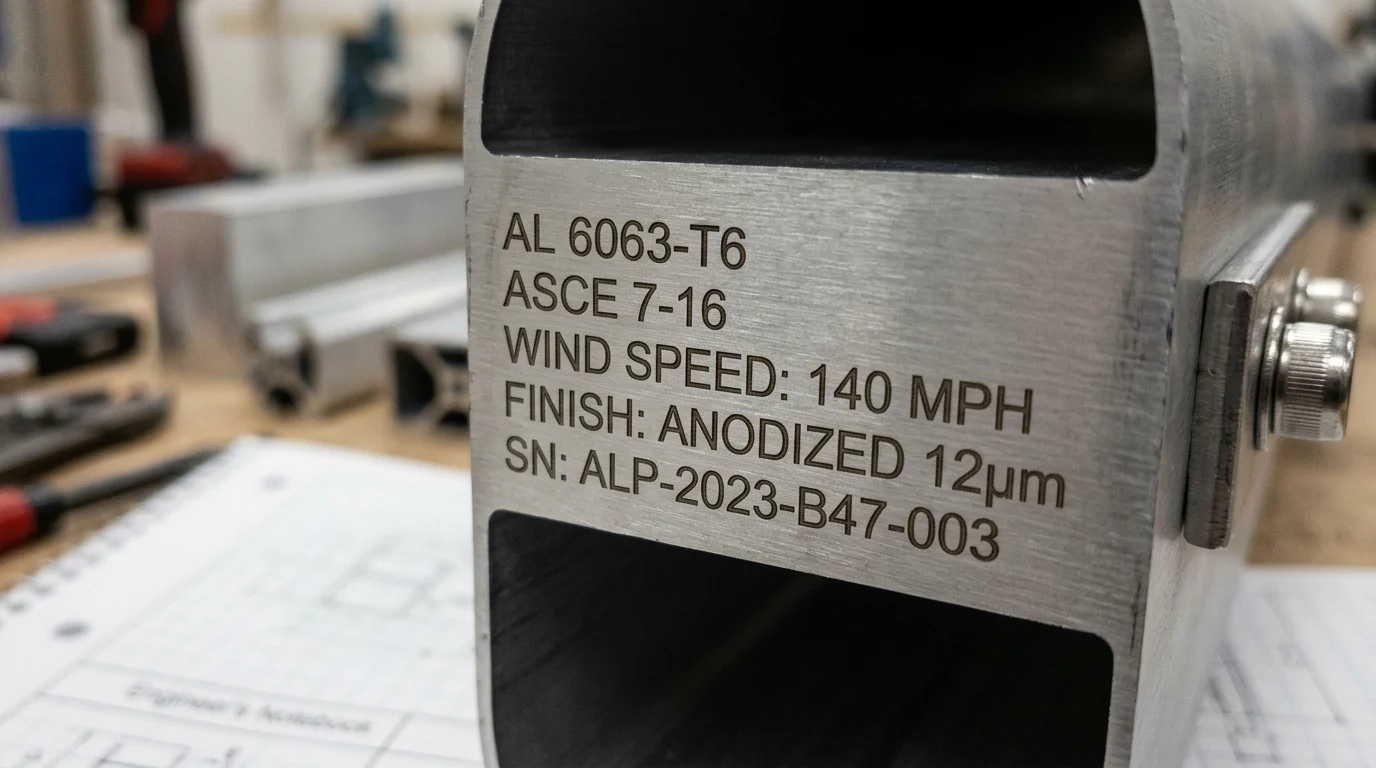
Specifying lighting supports requires a rigorous evaluation of structural performance against both static and dynamic environmental stresses. Engineers must calculate the effective projected area (EPA) of the luminaire and bracketry to ensure the pole assembly can withstand localized wind loads. Because aluminum is highly elastic, engineers must also account for harmonic vibration, frequently specifying internal, factory-installed vibration dampers for straight, square, or round poles to mitigate first- and second-mode vibrations caused by steady, low-velocity winds.
Aluminum vs. steel and stainless steel
Selecting the appropriate structural substrate involves weighing mechanical properties against environmental exposure and budget constraints. Aluminum offers a distinct logistical advantage in specific weight, weighing approximately 35% as much as carbon steel. This drastically reduces domestic freight costs and simplifies on-site installation, often eliminating the need for heavy crane equipment for mid-sized poles. While stainless steel provides extreme corrosion resistance, its raw material and machining costs are often prohibitive for large-scale plaza deployments. When specifying aluminum, care must be taken to use isolating washers and stainless steel mounting hardware to prevent galvanic corrosion at the base plate.
| Material | Density (g/cm³) | Corrosion Resistance | Typical Yield Strength (MPa) | Estimated Lifespan (Years) |
|---|---|---|---|---|
| Aluminum (6063-T6) | 2.70 | Excellent | 172 | 30+ (Zero rust) |
| Carbon Steel (Q235) | 7.85 | Poor (Requires Galv.) | 235 | 15-20 (Requires maintenance) |
| Stainless Steel (316L) | 8.00 | Superior | 170 | 40+ |
Pole height, thickness, and mounting basics
Dimensional specifications must align with both the photometric lighting plan and the structural calculations. For pedestrian-scale residential courtyards, pole heights typically range from 10 to 14 feet (3 to 4.2 meters), ensuring light is kept below the tree canopy to minimize light trespass. Commercial plazas may require 20- to 30-foot assemblies to achieve broader photometric coverage and uniformity. Wall thickness is a critical structural variable; commercial-grade aluminum poles generally utilize a wall thickness between 0.125 and 0.250 inches, depending on the required EPA load capacity. Mounting configurations demand high precision; standard direct-bury or anchor-base installations utilize a 4-bolt pattern with a bolt circle diameter ranging from 7 to 11 inches. The top typically features a standard 2.375-inch outside diameter (OD) tenon to securely accept standard slip-fitter luminaires, ensuring optical alignment remains stable over time.
How to specify and source aluminum lighting poles

Procurement of architectural lighting poles requires bridging the gap between aesthetic vision and supply chain realities. Successful sourcing depends on accurate site data, adherence to regional transportation and building code standards, and a clear understanding of manufacturing timelines. Standard round or square aluminum poles may ship within 3 to 4 weeks, whereas custom-extruded profiles or specialized AAMA 2605 finishes typically extend lead times to 8 to 12 weeks. Furthermore, custom extrusion dies for highly unique architectural shapes may require Minimum Order Quantities (MOQs) exceeding 50 units.
Site assessment and specification steps
The specification process begins with a comprehensive site assessment to determine the applicable wind zone.
Key Takeaways
- Specs, compliance, and risk checks worth validating before you commit
- Practical next steps and caveats readers can apply immediately
Frequently Asked Questions
Why are aluminum poles a strong choice for courtyard, plaza, and waterfront lighting?
They combine clean architectural lines, low weight, and strong corrosion resistance, helping projects achieve better night aesthetics with easier transport and installation.
What finish works best for aluminum poles near saltwater?
For waterfront projects, specify AAMA 2604/2605 powder coating or Class I anodizing, plus proper pretreatment, to improve UV stability and salt-spray durability.
How do aluminum poles help reduce installation costs?
Aluminum is much lighter than carbon steel, which can lower freight, simplify handling, and reduce crane needs for many mid-sized outdoor lighting projects.
What technical checks are important before specifying an aluminum lighting pole?
Confirm pole height, wall thickness, luminaire EPA, wind load, and vibration control. This helps ensure both lighting performance and structural safety.
Can Morelux provide custom aluminum pole support for project buyers?
Yes. Morelux offers customized pole solutions, technical drawings, engineering support, dependable manufacturing, and fast quotations for infrastructure and commercial projects.