Introduction
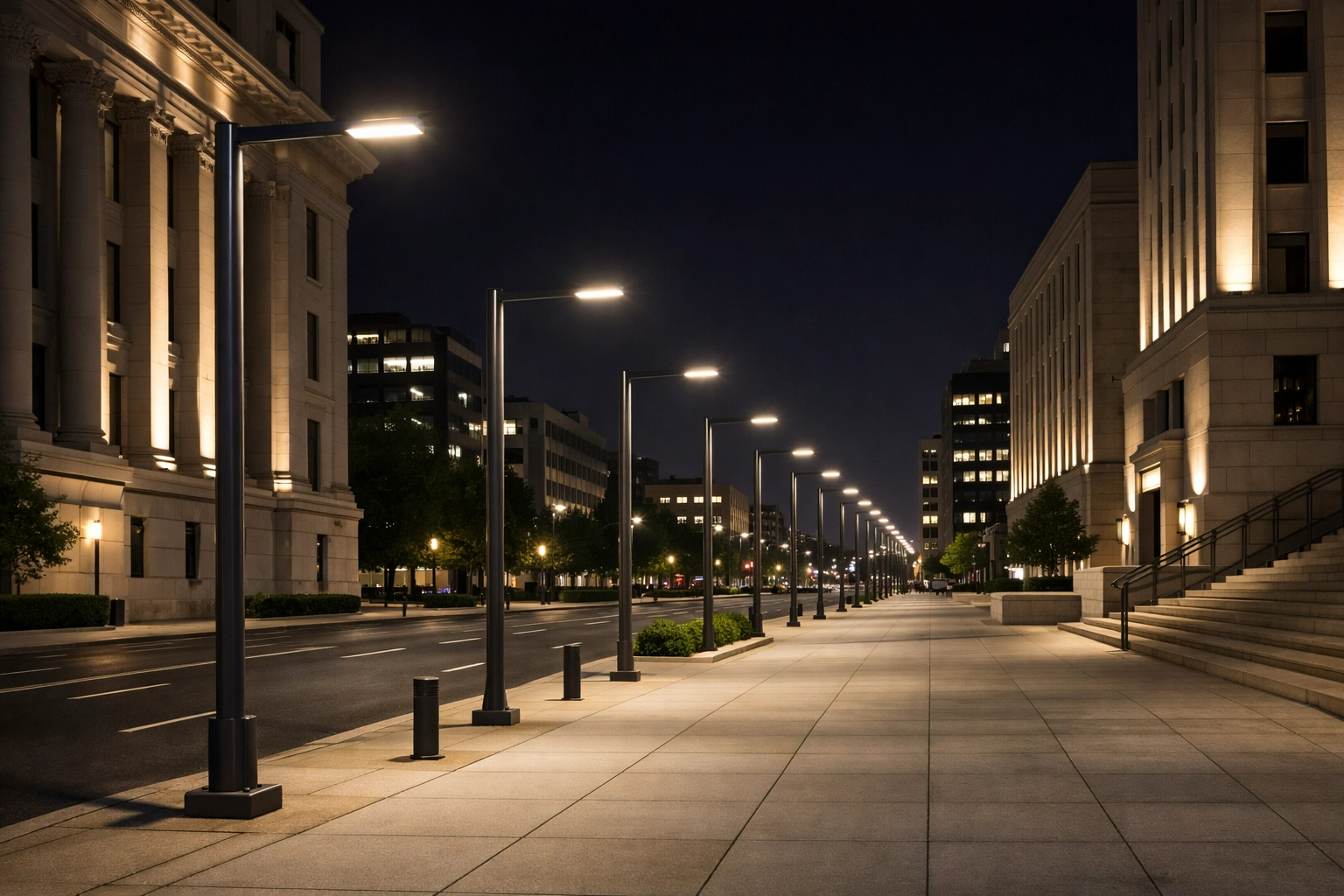
Cities are adopting aluminum solar streetlights because they address several practical pressures at once: rising energy costs, stricter sustainability targets, faster deployment needs, and long-term maintenance concerns. Unlike conventional street lighting, these systems combine solar panels, batteries, and LED fixtures in a lightweight, corrosion-resistant housing that performs well in demanding outdoor conditions. For planners and public works teams, the appeal is not only lower grid dependence but also easier installation, improved durability, and a cleaner streetscape. This article explains what aluminum solar streetlights are, why their design matters, and which economic, operational, and environmental advantages are driving their growing use in urban projects.
Why cities are choosing aluminum solar streetlights
In our analysis of modern municipal infrastructure, we have observed a definitive shift in how urban planners approach exterior lighting. The transition toward off-grid, renewable solutions is accelerating, with aluminum-housed solar streetlights emerging as the preferred standard for new deployments and retrofits alike.
What aluminum solar streetlights are
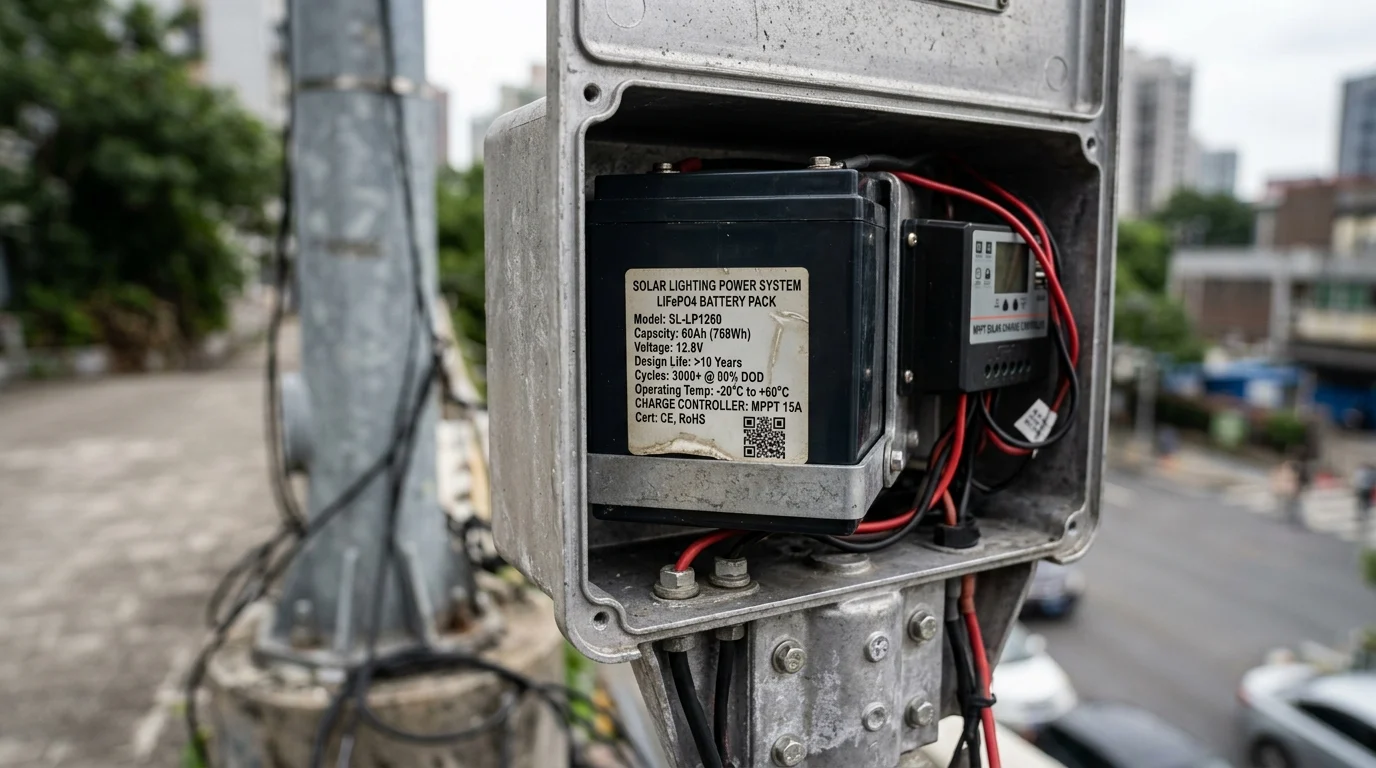
At their core, modern aluminum solar streetlights integrate high-efficiency photovoltaic generation, energy storage, and LED illumination within a single, unified chassis. We typically see manufacturers utilizing extruded or die-cast aluminum alloys, such as 6063-T5 or ADC12, to form the primary housing. This structural choice houses monocrystalline solar panels—routinely achieving 21% to 24% conversion efficiencies—alongside advanced lithium iron phosphate (LiFePO₄) battery arrays and MPPT charge controllers.
Unlike traditional multi-component solar setups, these integrated units weigh significantly less, often falling between 12 kg and 25 kg depending on the wattage and battery capacity. The aluminum enclosure acts not just as a protective shell but as an active structural component designed to withstand harsh environmental stressors while maintaining a sleek aesthetic profile suitable for modern urban environments.
Why cities are prioritizing them
Municipalities are prioritizing these systems because they resolve several historical bottlenecks in urban planning. First, the elimination of subterranean wiring eradicates trenching costs, which we regularly calculate at $30 to $50 per linear foot in developed urban corridors. This allows cities to deploy lighting in remote or historically preserved districts without invasive civil engineering.
Furthermore, the inherent corrosion resistance of aluminum makes it an ideal candidate for coastal cities or regions with heavy winter salt application. By adopting aluminum housings, public works departments drastically reduce their ongoing maintenance cycles, moving away from the frequent repainting and rust remediation required by older steel infrastructure. This shift aligns directly with broader municipal mandates to lower carbon footprints while bolstering grid resilience against extreme weather events.
Performance, lifecycle, and cost factors
To fully understand this adoption curve, we must evaluate the underlying engineering properties and the long-term financial implications. The shift from traditional materials to aluminum is heavily rooted in measurable performance gains and optimized lifecycle economics.
How aluminum compares with steel
When we compare aluminum directly with legacy galvanized steel, the advantages extend far beyond weight reduction. Thermal management is arguably the most critical factor for LED longevity. Aluminum boasts a thermal conductivity of approximately 205 W/m·K, whereas carbon steel sits near 45 W/m·K. This superior heat dissipation keeps the LED junction temperatures safely below the critical 85°C threshold, effectively preventing premature lumen depreciation.
| Metric | Die-Cast/Extruded Aluminum | Galvanized Steel |
|---|---|---|
| Density (Weight) | ~2.7 g/cm³ (Lightweight) | ~7.8 g/cm³ (Heavy) |
| Thermal Conductivity | ~205 W/m·K | ~45 W/m·K |
| Corrosion Resistance | Excellent (Natural Oxide Layer) | Moderate (Relies on Coating) |
| Estimated Housing Lifespan | 20+ Years | 10–15 Years |
| Installation Labor | Low (Often 1-2 technicians) | High (Requires heavy lifting gear) |
This thermal efficiency, combined with the material’s natural passivation layer that prevents deep structural oxidation, ensures the luminaire fixture outlasts its internal electronic components.
Which specifications affect total cost of ownership
The total cost of ownership (TCO) for these streetlights is dictated by a few strict specifications. We advise procurement teams to scrutinize the battery chemistry and capacity; a high-grade LiFePO4 battery should deliver 3,000 to 4,000 cycles at an 80% depth of discharge (DoD), translating to nearly a decade of reliable operation before replacement is necessary.
Additionally, structural resilience is paramount. Specifications must include an ingress protection rating of at least IP65—preferably IP66 for coastal zones—and an EPA (Effective Projected Area) wind load certification proving the luminaire can withstand wind speeds of 130 mph, equivalent to a Category 4 hurricane. When these specifications are met, the higher initial capital expenditure of the aluminum unit is rapidly offset by zero electricity bills and near-zero preventative maintenance costs over a 15-year horizon.
Supplier evaluation and deployment risks
Despite the clear advantages, executing a city-wide deployment carries inherent logistical and quality control challenges. In our advisory capacity, we emphasize that selecting the right manufacturing partner is just as critical as selecting the right hardware specifications.
What sourcing and compliance checks matter
Thorough sourcing requires rigorous compliance checks to filter out substandard manufacturers. We mandate that cities verify essential certifications, including CE, RoHS, and UL 8750 for the LED control gear. For aluminum housings specifically, we look for documented 1,000-hour ASTM B117 salt spray test results to guarantee the integrity of the powder coating or anodized finish.
Supply chain parameters also play a vital role. Municipal buyers should anticipate Minimum Order Quantities (MOQs) ranging from 50 to 100 units for custom RAL color-matched housings or specialized luminaire optics. Furthermore, we recommend establishing strict Service Level Agreements (SLAs) that cap the acceptable out-of-box defect rate at less than 0.5%, ensuring that battery degradation or controller failures do not derail the installation schedule.
What decision framework cities can use
To mitigate these deployment risks, we utilize a phased, data-driven decision framework. Cities should never commit to a multi-thousand unit rollout without a localized pilot program. We recommend deploying an initial tranche of 15 to 30 units in the most challenging microclimates within the municipality.
This allows engineers to monitor solar yield and battery performance during the winter solstice, when solar insolation is at its lowest. During this phase, cities must also test software interoperability, ensuring that any integrated LoRaWAN controllers or NEMA socket photocells communicate seamlessly with existing central management systems (CMS). By validating performance data against manufacturer claims in real-world conditions, municipal leaders can confidently scale their aluminum solar streetlight infrastructure, securing both public safety and long-term taxpayer value.
Key Takeaways
- What are the most important conclusions and rationale for why more and more cities are choosing aluminum solar streetlights?
- Specs, compliance, and risk checks worth validating before you commit
- Practical next steps and caveats readers can apply immediately
Frequently Asked Questions
Why are cities switching to aluminum solar streetlights?
They reduce trenching and electricity costs, resist corrosion, and support faster deployment in roads, parks, and remote areas.
How does aluminum perform better than steel in solar streetlights?
Aluminum is lighter, dissipates heat better, and resists rust naturally, helping extend LED life and lower maintenance.
What specs should buyers check before ordering?
Focus on LiFePO4 battery cycles, MPPT controller, IP65/IP66 protection, wind-load rating, and pole compatibility for the site.
Are aluminum solar streetlights suitable for coastal or high-salt areas?
Yes. Aluminum’s natural oxide layer offers strong corrosion resistance, making it a practical choice for coastal and winter-salt environments.
Can Morelux support custom municipal solar streetlight projects?
Yes. Morelux provides custom pole solutions, technical drawings, engineer support, and fast quotes for infrastructure and city lighting projects.