Introduction
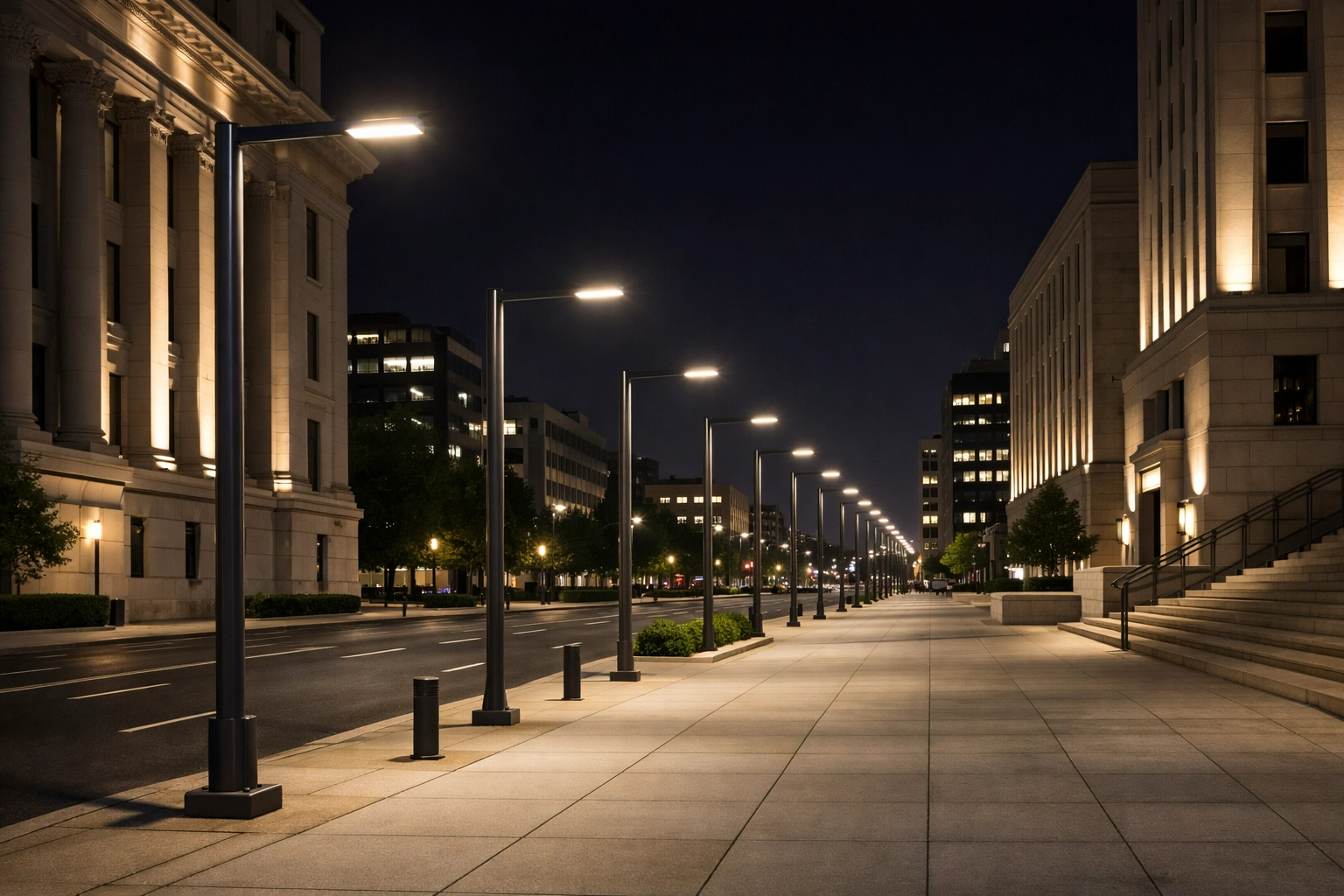
In 2026, buying aluminum poles is no longer a simple price comparison. Garden, streetlight, and traffic poles now face different demands in load capacity, corrosion resistance, mounting needs, code compliance, and delivery timelines, especially as projects add cameras, sensors, signage, and smart-city equipment. This guide helps procurement teams, contractors, and planners match pole type and specifications to actual project conditions instead of relying on generic standards. You will learn which requirements matter most; how application differences affect alloy, wall thickness, and fabrication choices; and where cost, lead time, and compliance risks typically appear before moving into detailed selection criteria for each pole category.
Why the 2026 Global Aluminum Pole Procurement Guide Matters
The 2026 global infrastructure landscape presents complex challenges for urban planners, EPC contractors, and municipal procurement teams sourcing aluminum poles. As smart city initiatives accelerate, integrating 5G micro-cells and IoT sensors has transformed traditional lighting structures into heavily loaded utility hubs. Consequently, the demand for lightweight, high-strength, and corrosion-resistant infrastructure has surged. Strategic procurement is critical to maintaining project margins, ensuring structural safety, and adhering to compressed timelines.
Cost, Lead Time, and Specification Risks
Fluctuations in global raw material markets consistently impact infrastructure economics. In 2026, global aluminum ingot prices are projected to hover between $2,400 and $2,800 per metric ton, directly dictating the unit cost of extruded poles. Beyond pricing volatility, procurement teams face significant lead-time risks driven by constrained extrusion capacities. Standard garden poles might ship within an optimized 4 to 6 weeks. However, custom traffic poles requiring heavy-duty wall thicknesses often face extended production lead times of 10 to 16 weeks. Specification risks also loom large; failing to account for proper alloy selection—such as utilizing architectural 6063-T5 instead of structural 6061-T6—can result in catastrophic yield failures under dynamic loads, leading to severe liability.
Project Variables for Garden, Streetlight, and Traffic Poles
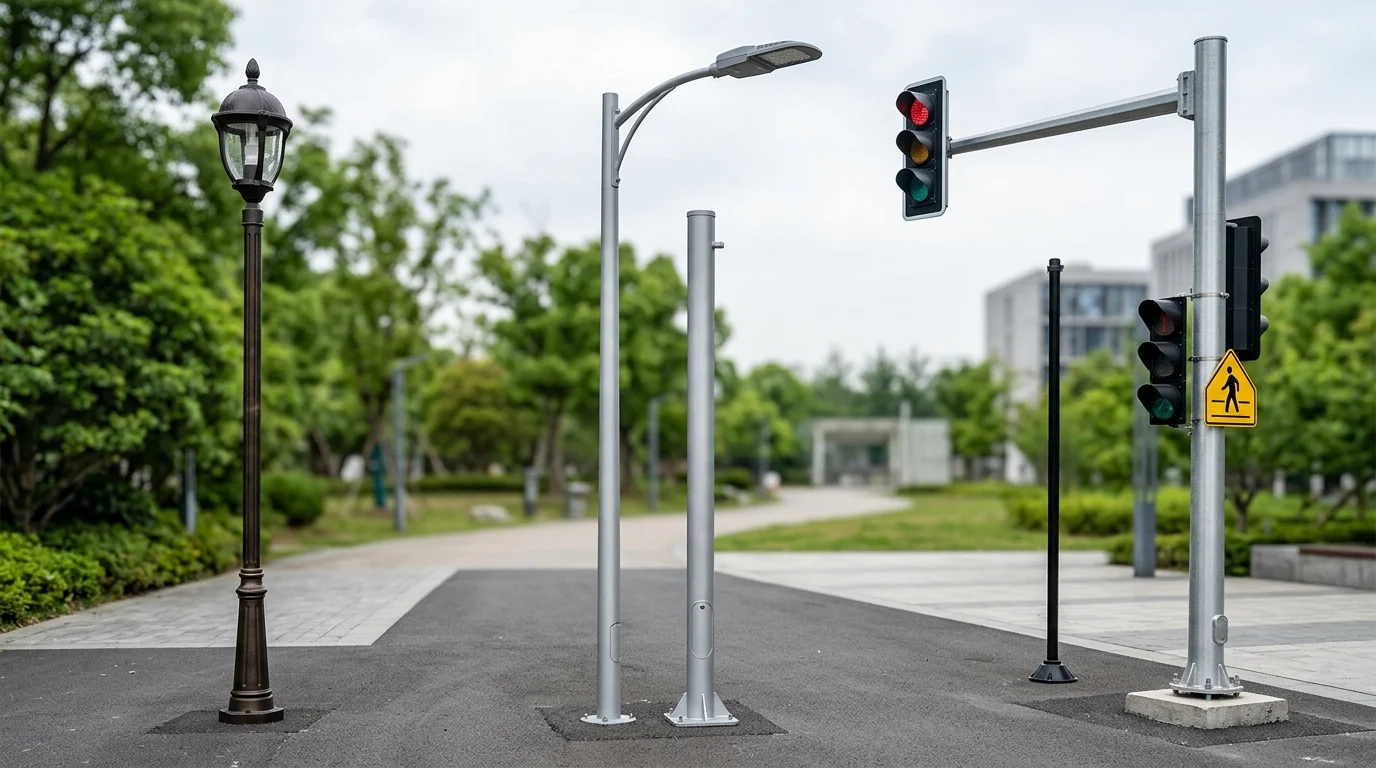
Selecting the appropriate pole type requires a rigorous evaluation of project-specific variables, including payload capacity and environmental stressors. Garden poles prioritize aesthetics and pedestrian-scale illumination, requiring lower mounting heights of 3 to 5 meters and minimal wind-load resilience. Conversely, streetlight poles must support heavier luminaires at heights of 8 to 12 meters, necessitating strict adherence to EPA (Effective Projected Area) ratings to prevent excessive wind-induced sway. Traffic poles represent the most demanding engineering category, requiring high-mass structural integrity to safely support cantilevered mast arms extending up to 15 meters. Traffic infrastructure must strictly comply with AASHTO specifications, ensuring poles withstand sustained 3-second wind gusts exceeding 140 mph without structural deformation.
How to Compare Garden, Streetlight, and Traffic Poles
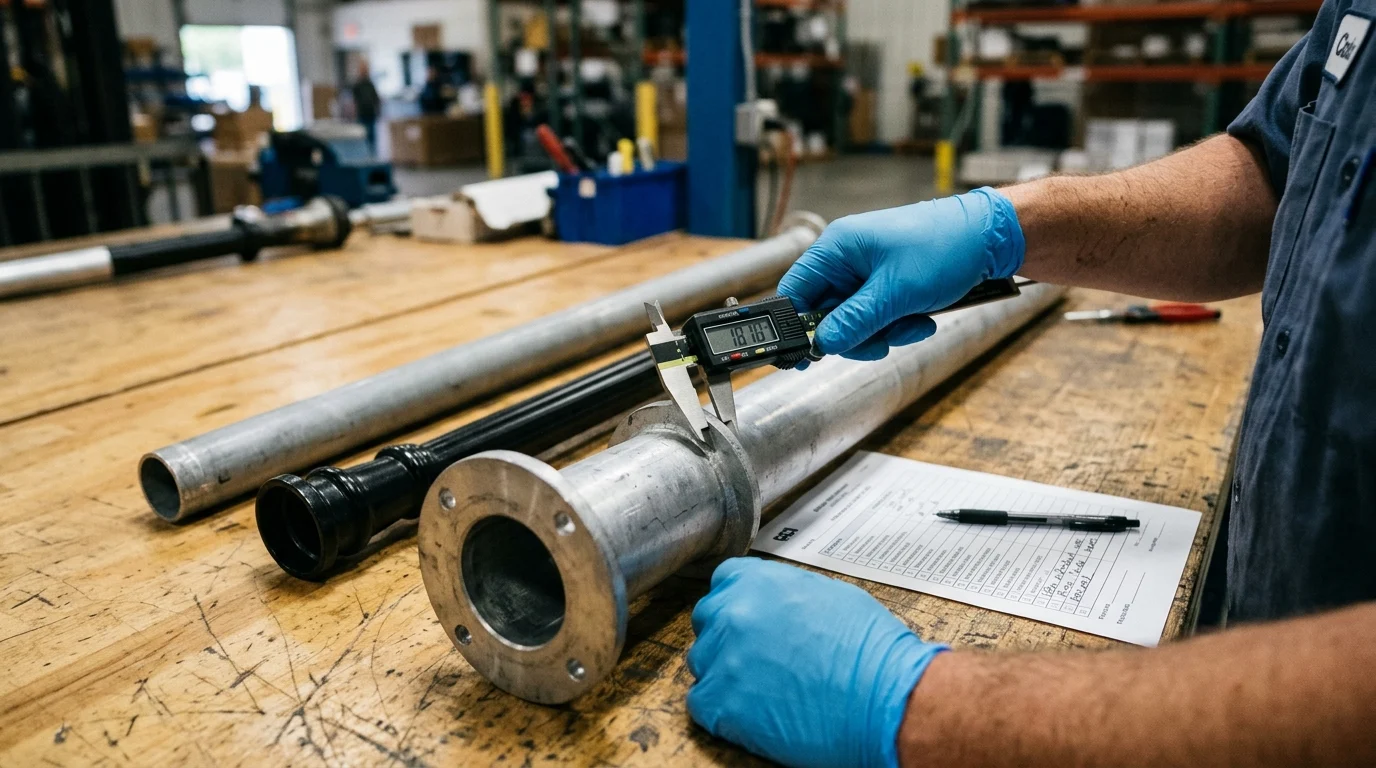
Evaluating aluminum poles across different functional categories demands a precise understanding of structural mechanics and lifecycle cost analysis. While aluminum offers a superior strength-to-weight ratio and inherent corrosion resistance compared to galvanized steel, procurement engineers must move beyond basic dimensional specifications to analyze how each pole interacts with environmental stressors and payload requirements.
Key Technical Comparison Criteria
The primary technical criteria for comparison span alloy temper, wall thickness, base plate engineering, and deflection limits. Garden poles generally utilize 6063-T6 aluminum, offering superior extrudability and an optimal surface finish for anodizing, with typical wall thicknesses ranging from 2.5mm to 3.0mm. Streetlight poles demand higher tensile strength, often employing 6061-T6 alloys with wall thicknesses between 4.0 mm and 6.0 mm to mitigate vibration fatigue from passing commercial traffic. Traffic poles require the highest structural rigidity, frequently engineered using stepped or tapered designs. Their wall thicknesses regularly range from 8.0mm to 12.0mm to support heavy signal heads. Crucially, base plate welding processes must account for the heat-affected zone (HAZ), ensuring the pole does not exceed the strict 2.5% maximum deflection threshold under peak load.
Comparison Table for 2026 Aluminum Pole Procurement
To streamline the sourcing process, procurement professionals rely on standardized benchmarks. The following table outlines the foundational procurement metrics, structural capacities, and estimated baseline costs for garden, streetlight, and traffic poles in 2026’s infrastructure projects.
| Pole Category | Typical Height (m) | Standard Alloy | Wall Thickness (mm) | Max EPA Capacity (sq ft) | Est. Unit Cost Base ($) |
|---|---|---|---|---|---|
| Garden Pole | 3.0 – 5.0 | 6063-T6 | 2.5 – 3.0 | 2.0 – 4.0 | 150 – 350 |
| Streetlight Pole | 8.0 – 12.0 | 6061-T6 / 6063-T6 | 4.0 – 6.0 | 6.0 – 10.0 | 450 – 950 |
| Traffic Pole | 6.0 – 10.0+ | 6061-T6 | 8.0 – 12.0 | 15.0 – 25.0+ | 1,200 – 3,800 |
Cost variations within these bands are heavily influenced by secondary operations, such as custom powder coating and the inclusion of vibration dampeners.
How to Validate Suppliers, Compliance, and Delivery
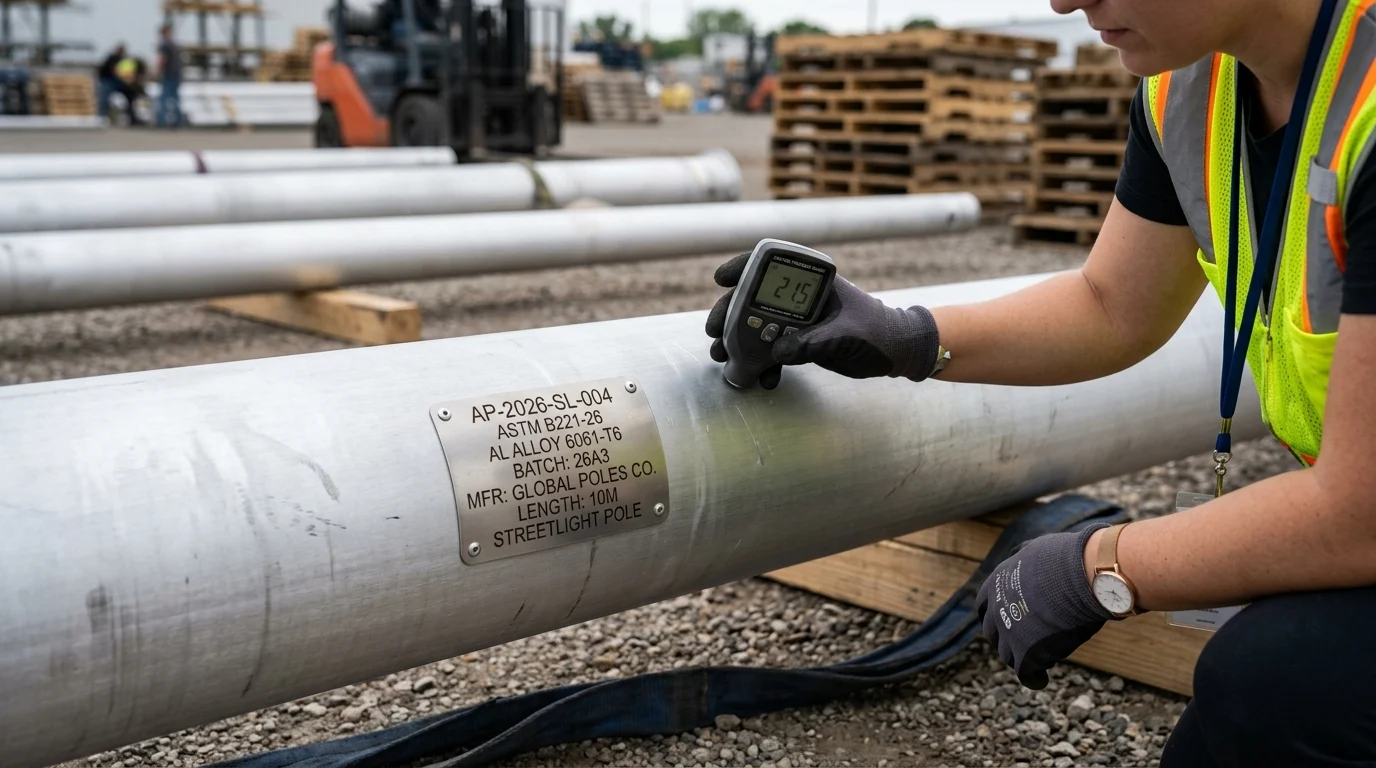
Identifying technical specifications represents only the initial phase of the procurement lifecycle. Securing a resilient supply chain requires rigorous validation of manufacturing capabilities, strict adherence to international regulatory frameworks, and comprehensive logistical planning. Structured due diligence is mandatory to ensure timely site delivery and mitigate operational risks.
Quality Assurance, Certification, and Regional Compliance
Quality assurance protocols must be non-negotiable when evaluating manufacturing partners. Suppliers must demonstrate documented compliance with regional regulatory standards, such as the EN 40 series for the European market or AASHTO LTS-6 guidelines for North American highway infrastructure. Procurement teams should mandate ISO 9001:2015 certification and request historical defect rate data, targeting a strict non-conformance rate of less than 0.5% across continuous production runs. Surface treatment compliance is another critical validation checkpoint. Anodized finishes or thermoset powder coatings must meet AAMA 2604 or 2605 specifications. Validating these coating standards through independent ASTM B117 salt-spray testing guarantees a minimum 10- to 15-year lifecycle against aggressive corrosion in coastal zones.
Decision Framework for Final Supplier Selection
Establishing a robust decision framework for final supplier selection balances unit economics with comprehensive risk mitigation. Buyers must carefully evaluate Minimum Order Quantities (MOQs), which typically range from 50 to 100 units for standard streetlight poles down to 10 units for bespoke traffic structures. Financial stability assessments and third-party capacity audits are essential to verify that the supplier can seamlessly handle volume scaling. Payment terms should protect capital, commonly utilizing a 30% advance with the remaining 70% released upon the issuance of the bill of lading (BOL). Finally, procurement contracts must clearly define logistics through precise Incoterms—such as FOB or DDP—while establishing enforceable penalty clauses for any delivery delays exceeding 14 days.
Key Takeaways
- Specs, compliance, and risk checks worth validating before you commit
- Practical next steps and caveats readers can apply immediately
Frequently Asked Questions
How do I choose between garden, streetlight, and traffic aluminum poles?
Match pole type to height, payload, and wind load. Garden poles suit 3–5 m decorative lighting, streetlight poles fit 8–12 m roadway lighting, and traffic poles are engineered for signals and mast arms under higher loads.
Which aluminum alloy is best for each pole application?
Use 6063-T6 for garden poles where finish matters and 6061-T6 for streetlight or traffic poles needing higher structural strength. Confirm alloy and temper on drawings before placing the order.
What lead time should project buyers expect in 2026?
Standard garden poles typically need 4–6 weeks, while custom traffic poles may require 10–16 weeks. Ask Morelux early for a 24-hour quote and drawing review to lock in specifications faster.
What compliance checks matter most for traffic and streetlight poles?
Verify EPA rating, wall thickness, base plate design, and deflection limits. For traffic poles, confirm AASHTO-based engineering and wind load performance before approval and fabrication.
What information should I send Morelux for a fast aluminum pole quote?
Send pole height, application, fixture or signal load, arm length, wind speed, finish, anchor details, and project location. This helps Morelux provide quicker pricing, technical drawings, and engineering support.