Introduction
Choosing the right residential solar garden pole light involves more than picking a style that looks good at the curb. Brightness, battery capacity, motion sensing, pole height, and weather resistance all affect how well the fixture improves visibility, reduces trip risks, and supports perimeter security. This guide explains what these lights do best, where they work most effectively around a home, and which technical features matter when comparing options. By the end, you’ll have a practical framework for selecting solar pole lights that balance safety, reliability, appearance, and low-maintenance operation in everyday residential settings.
Why Residential Solar Garden Pole Lights Matter
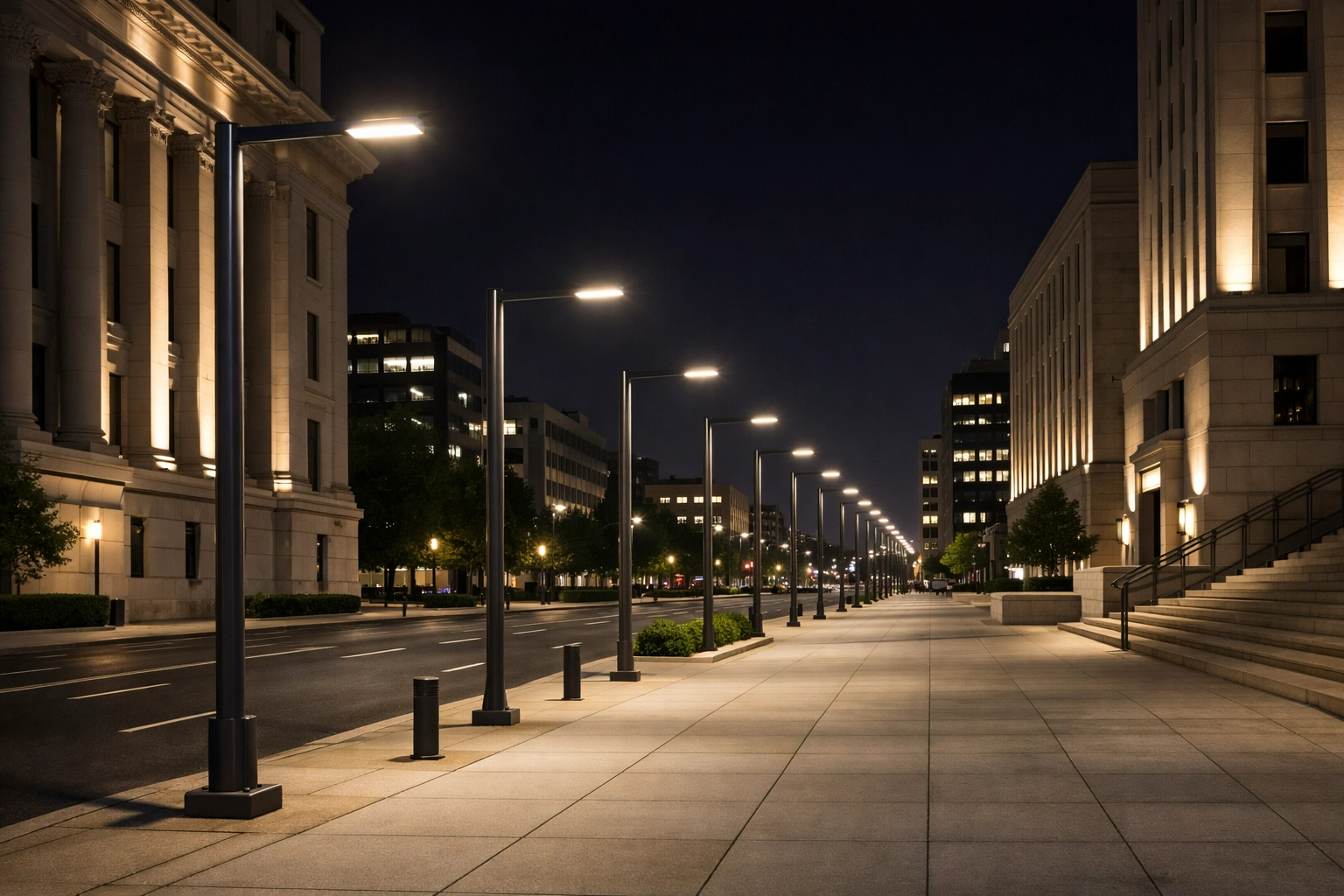
Deploying a residential solar garden pole light infrastructure is a strategic upgrade for property owners seeking to merge off-grid energy independence with elevated perimeter security. Unlike hardwired low-voltage systems, autonomous solar fixtures eliminate trenching costs, reduce electrical hazards, and provide uninterrupted illumination during grid outages. This transition to decentralised exterior lighting aligns with contemporary sustainable building practices while addressing critical residential safety requirements.
Key safety and curb-appeal benefits
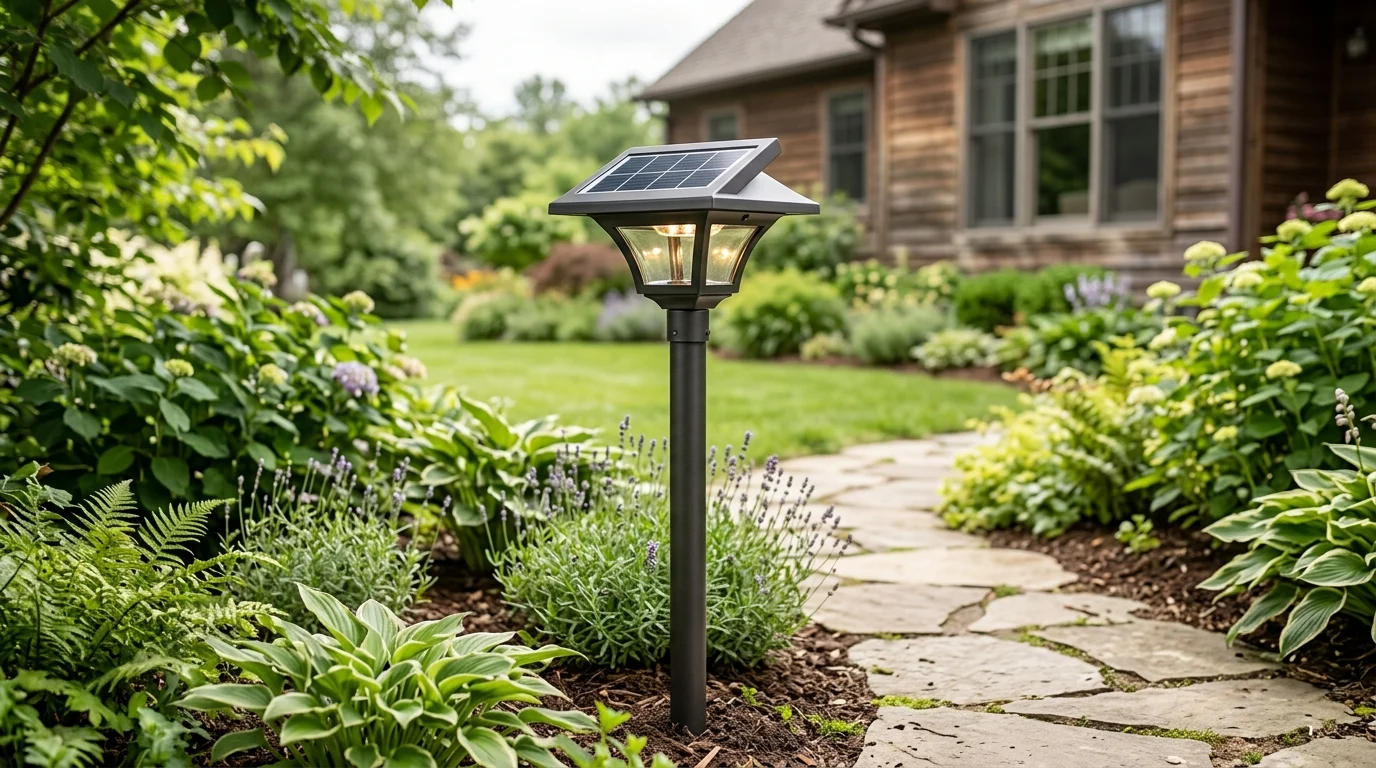
Integrating these independent lighting units mitigates trip hazards on uneven terrain and deters unauthorised access across property boundaries. A high-quality residential solar garden pole light typically generates between 150 and 400 lumens, ensuring adequate ground illumination without violating local light trespass ordinances. Advanced models incorporate passive infrared (PIR) motion sensors that elevate output from a 50-lumen baseline to a 400-lumen peak upon detecting movement within a 120-degree, 20-foot radius. For optimal kerb appeal, maintaining a correlated colour temperature (CCT) of 2700K to 3000K provides a warm, architectural glow that complements hardscaping materials while preserving mesopic vision for nighttime navigation.
Best use cases for residential settings
Strategic deployment along extended driveways, unlit property perimeters, and primary pedestrian pathways maximises the utility of these autonomous fixtures. Lighting engineers generally recommend spacing poles 10 to 15 feet apart to create overlapping pools of illumination, thereby eliminating high-contrast dark zones where hazards or intruders might remain concealed. Furthermore, utilising fixtures with an optimised height profile of 24 to 36 inches ensures the photometric spread remains focused strictly on the ground plane. This precise beam control is essential for illuminating elevation changes, such as retaining wall steps, while preventing lateral glare into adjacent residential windows or streetscapes.
How to Compare Technical Specifications
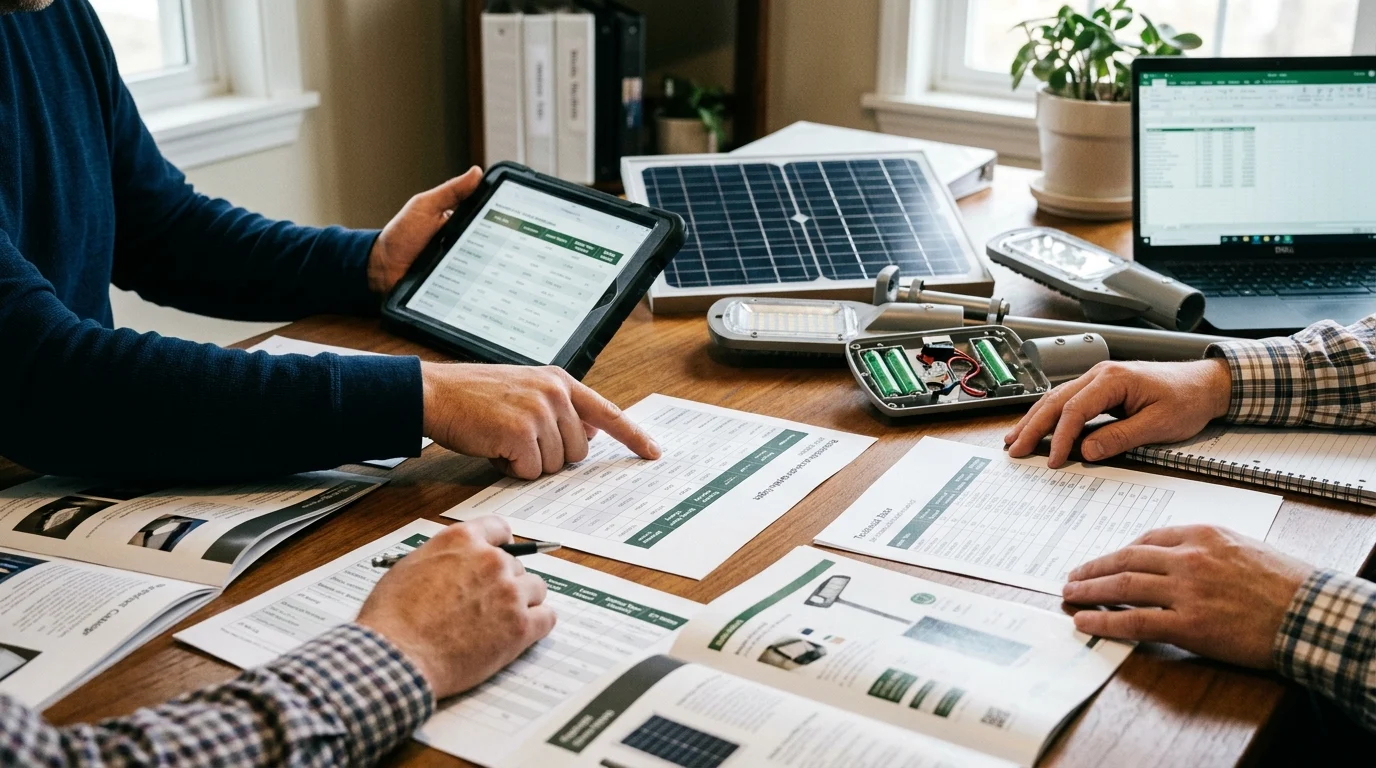
Evaluating a residential solar garden pole light requires a rigorous analysis of its photovoltaic efficiency, energy storage capacity, and environmental durability. Homeowners and property managers must look beyond aesthetics to assess the underlying micro-generation and storage architecture that dictates operational reliability during low-insolation winter months.
Core component and performance factors
The performance of a residential solar garden pole light depends heavily on its photovoltaic panel composition and battery chemistry. Premium fixtures utilize monocrystalline silicon panels, which offer a conversion efficiency of 20% to 22%, outperforming standard polycrystalline alternatives. For energy storage, Lithium Iron Phosphate (LiFePO4) batteries represent the industry gold standard. Unlike older NiMH or standard Lithium-ion cells, LiFePO4 batteries deliver a cycle life exceeding 2,000 charges and maintain stable discharge rates across extreme temperature fluctuations ranging from -4°F to 140°F (-20°C to 60°C). Additionally, the fixture housing must feature an Ingress Protection rating of at least IP65 to guarantee long-term resilience against particulate ingress and low-pressure water jets.
A simple buyer comparison checklist
To streamline the buying process, utilize a standardized matrix to benchmark technical capabilities. The following table contrasts baseline consumer-grade fixtures against architectural-grade specifications required for reliable residential safety applications.
| Specification | Consumer-Grade Baseline | Architectural-Grade Standard |
|---|---|---|
| Solar Panel Efficiency | 12% – 15% (Polycrystalline) | 20% – 22% (Monocrystalline) |
| Battery Chemistry | NiMH (500 cycles) | LiFePO4 (2,000+ cycles) |
| Luminous Efficacy | 50 – 80 lumens/watt | 120 – 150 lumens/watt |
| Ingress Protection | IP44 (Splash resistant) | IP65 (Dust tight, water jet resistant) |
| Autonomy (Days) | 1 – 2 days without sun | 3 – 5 days without sun |
Prioritizing architectural-grade parameters ensures the lighting network maintains sufficient autonomy to operate reliably through consecutive overcast days.
How to Select and Install the Right Light
Properly selecting and placing a residential solar garden pole light dictates the ultimate success of the off-grid system. Even the most technologically advanced fixtures will underperform if subjected to improper siting, inadequate insolation, or non-compliant installation practices.
Site assessment and placement basics
A comprehensive site assessment must prioritise solar access mapping before finalising any installation coordinates. For optimal battery replenishment, the photovoltaic array on each residential solar garden pole light requires a minimum of 6 to 8 hours of direct, unshaded sunlight daily. Installers must account for the solar azimuth angle, ensuring panels have an unobstructed southern exposure (in the Northern Hemisphere). During installation, ground composition dictates the mounting method. Standard soil allows for direct spike insertion up to 6 to 8 inches deep, whereas rocky or compacted clay substrates require augering a pilot hole and utilising a concrete-anchored flanged base to prevent frost heave from compromising the pole’s vertical alignment.
Climate, shading, and compliance checks
Environmental variables and local regulations introduce additional complexity to the installation. Seasonal shading is a critical variable; a location receiving full sun in June may be entirely obscured by a 40-foot deciduous canopy or structural shadows by December due to the lower winter sun angle. Installers must calculate the winter solstice trajectory to ensure sufficient year-round autonomy. Furthermore, strict adherence to Homeowner Association (HOA) guidelines and municipal light trespass ordinances is mandatory. Many jurisdictions enforce a strict limit on light spillover, often requiring that illumination does not exceed 0.1 foot-candles at the property boundary. Selecting fixtures with integrated dark-sky-compliant baffles ensures the light is directed downward, maintaining regulatory compliance while maximising pedestrian safety.
Key Takeaways
- The most important conclusions and rationale for residential solar garden pole light
- Specs, compliance, and risk checks worth validating before you commit
- Practical next steps and caveats readers can apply immediately
Frequently Asked Questions
What lumen output is best for a residential solar garden pole light?
For safety-focused residential paths and perimeters, choose 150–400 lumens. Motion-sensor models that rise from about 50 lumens to 400 lumens help save power while improving visibility when movement is detected.
How far apart should residential solar garden pole lights be placed?
A practical spacing range is 10 to 15 feet apart. This helps create overlapping light coverage on walkways, driveways, and perimeter edges without leaving dark gaps.
What pole height works best for residential garden safety lighting?
A height of 24 to 36 inches is usually effective. It keeps light focused on the ground, improves step and path visibility, and reduces glare into windows or neighbouring properties.
Which technical specs matter most when sourcing solar garden pole lights?
Prioritise monocrystalline panels, LiFePO₄ batteries, IP65 protection, and 3–5 days of autonomy. These specs support better winter reliability, longer service life, and stronger weather resistance.
Can Morelux support customised residential solar garden pole light projects?
Yes. Morelux provides custom pole solutions, technical drawings, engineer support, and fast quotes, which is useful for buyers managing residential communities, schools, or small infrastructure-style lighting projects.